What is BOAS?
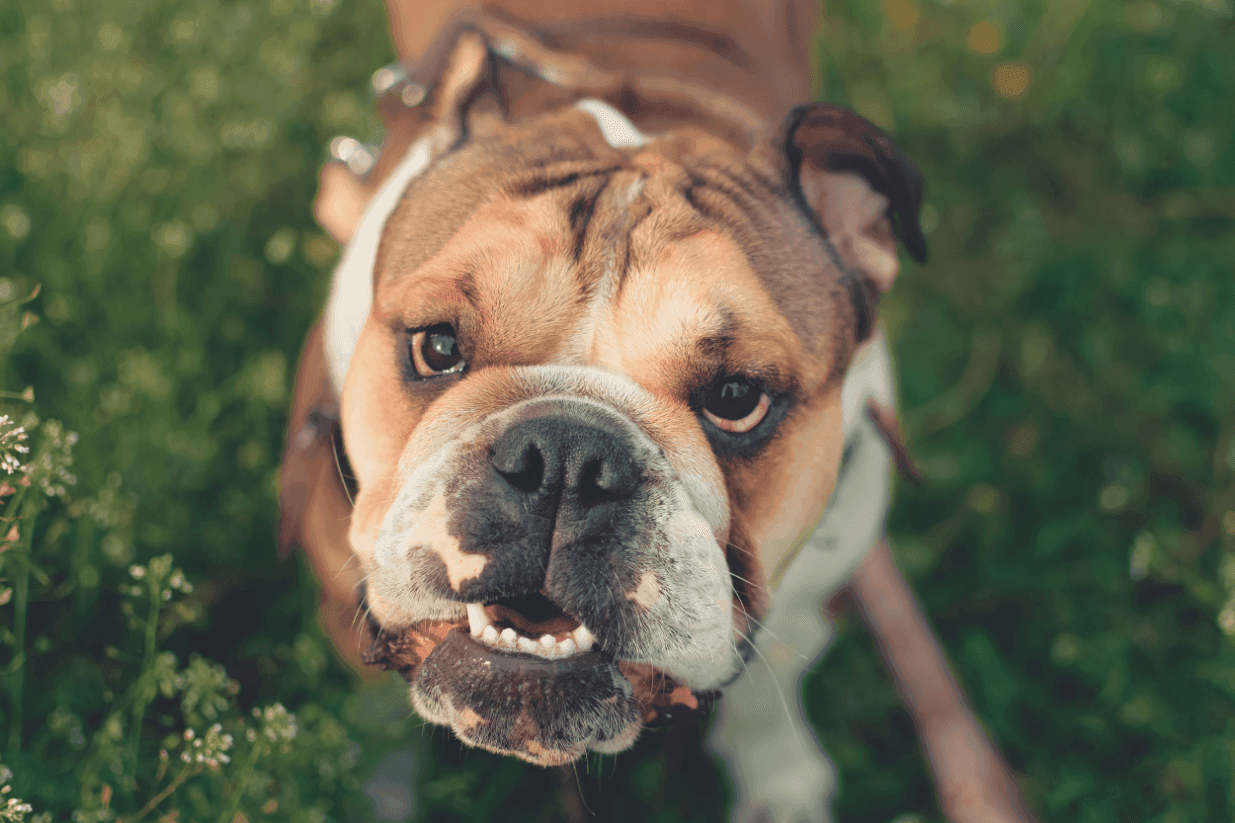
Brachycephalic Obstructive Airway Syndrome (BOAS) is a breathing disorder that affects flat-faced breeds such as French Bulldogs, English Bulldogs and Pugs. It is caused by narrowing of the upper airways due to the shortened skull shape and excess soft tissue, which can lead to breathing difficulties and wider health problems.
These structural changes can lead to several airway abnormalities, including:
Narrowed nostrils (stenotic nares)
Elongated soft palate
Narrowed windpipe (hypoplastic trachea)
Everted laryngeal saccules
Laryngeal collapse
Dogs with BOAS may show a range of symptoms that vary from mild to severe. Signs are often more noticeable during exercise, excitement or hot weather.
Common signs of BOAS include:
Noisy breathing (snoring, snorting or wheezing)
Difficulty breathing, especially during exercise
Reduced ability to exercise or tiring quickly
Struggling to cope in hot weather
Disrupted sleep due to breathing difficulties
Vomiting or regurgitation
Blue or pale gums (a sign of low oxygen)
Collapse or fainting in more severe cases
BOAS can worsen over time, particularly if left untreated. As the condition progresses, dogs may develop more severe breathing difficulties and be at increased risk of complications such as heatstroke or breathing crises, especially during exercise or hot weather.
Surgical management of BOAS
Surgery is often recommended to improve airflow in dogs with significant airway obstruction. The most appropriate treatment depends on the severity of the condition and the structures involved.
We offer BOAS surgery at Animal Trust Vets for a fixed cost of £1045*, which includes the procedures listed below, along with appropriate anaesthesia, monitoring and aftercare.
* In some cases, additional imaging may be recommended before surgery, such as X-rays or a CT scan. Your vet would discuss any additional costs with you before proceeding with this.
Surgery to widen the nostrils (rhinoplasty): improves airflow through the nasal passages
Shortening of the soft palate (staphylectomy): reduces obstruction at the back of the throat
Removal of everted laryngeal saccules (sacculectomy): helps open the airway
Removal of enlarged tonsils: performed where these are contributing to airway obstruction
BOAS Post-operative care
Post-operative care is important for a smooth recovery following BOAS surgery. Your pet will require close monitoring and supportive care to manage pain, inflammation and reduce the risk of complications.
Hospitalisation: Immediately following surgery, most patients require 4–8 hours of hospitalisation for monitoring. This allows any complications, such as swelling or bleeding, to be addressed promptly. Occasionally, some patients may require overnight hospitalisation.
Pain management: Post-operative pain control helps keep your pet comfortable and reduces excessive panting.
Anti-inflammatory medication is often prescribed to reduce swelling in the airway.
Activity should be limited for 7-10 days after surgery to allow healing. Lead walks should be brief, using a harness, and your pet should avoid exertion, particularly in hot or humid weather.
Monitoring: Owners should monitor for signs of breathing difficulty, such as increased effort, excessive panting or blue gums. Other signs to watch for include vomiting, coughing or lethargy.
Follow-up care: Patients are usually reviewed and signed off 7–10 days after surgery. In some cases, additional procedures may be required if symptoms persist or new issues develop.
Further reading: BOAS Condition and Advice page