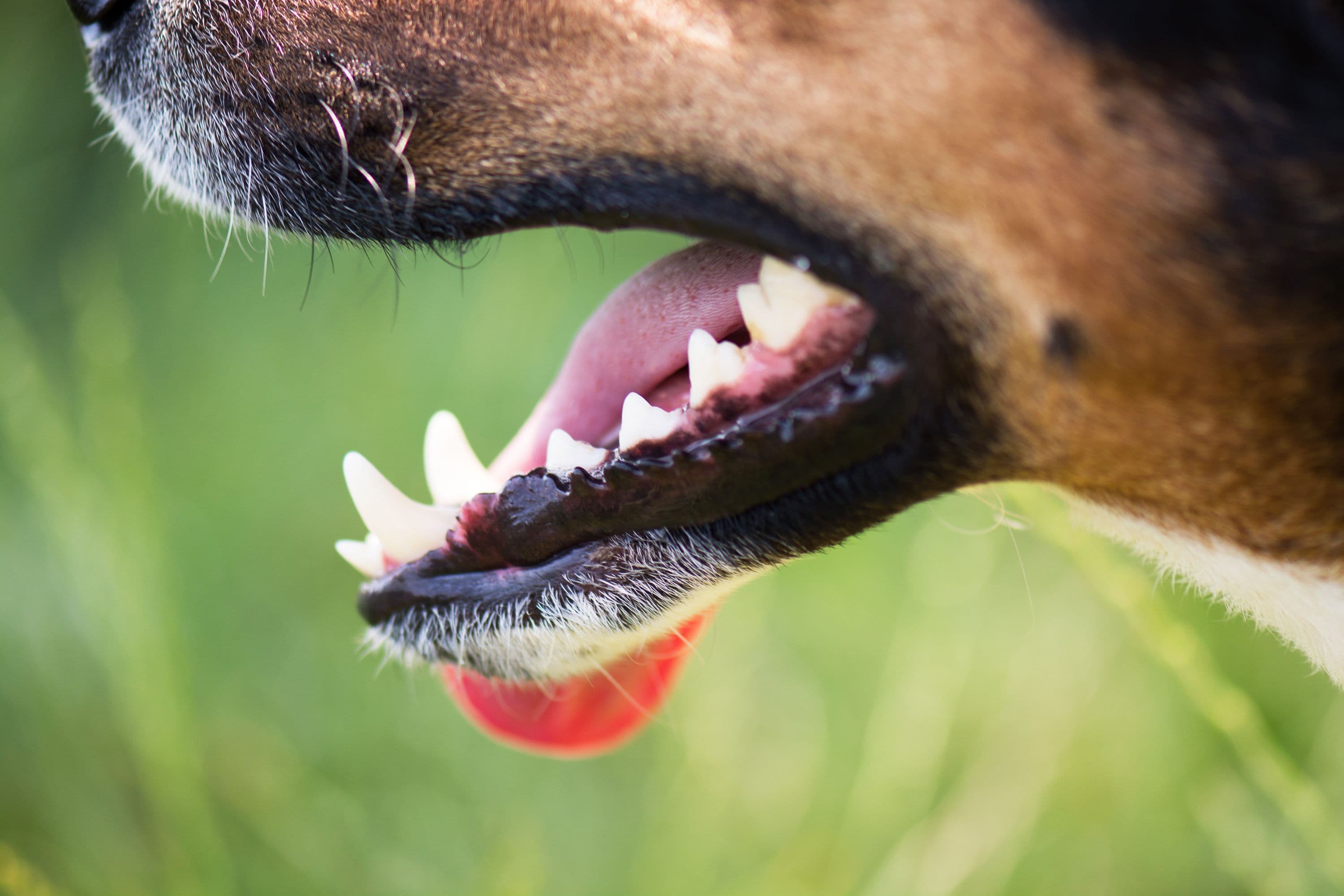
Dental disease is very common in both dogs and cats and can cause significant pain and discomfort if left untreated. At Animal Trust, most of our surgeries have dedicated dental facilities, where our veterinary teams can assess and treat dental disease with your pet’s comfort and welfare at the heart of their care.
What Is Pet Dental Treatment?
Dental treatment is carried out under general anaesthesia so that your pet’s teeth, gums and mouth can be thoroughly examined and treated safely. The procedure includes dental charting, where each tooth and the surrounding gums are assessed individually, and dental X-rays to identify problems below the gum line. Teeth affected by dental disease will be extracted where necessary, while the remaining teeth are cleaned with a scale and polish. Your pet will receive pain relief during the procedure, including local nerve blocks where appropriate.