
Have a Cat-friendly Christmas
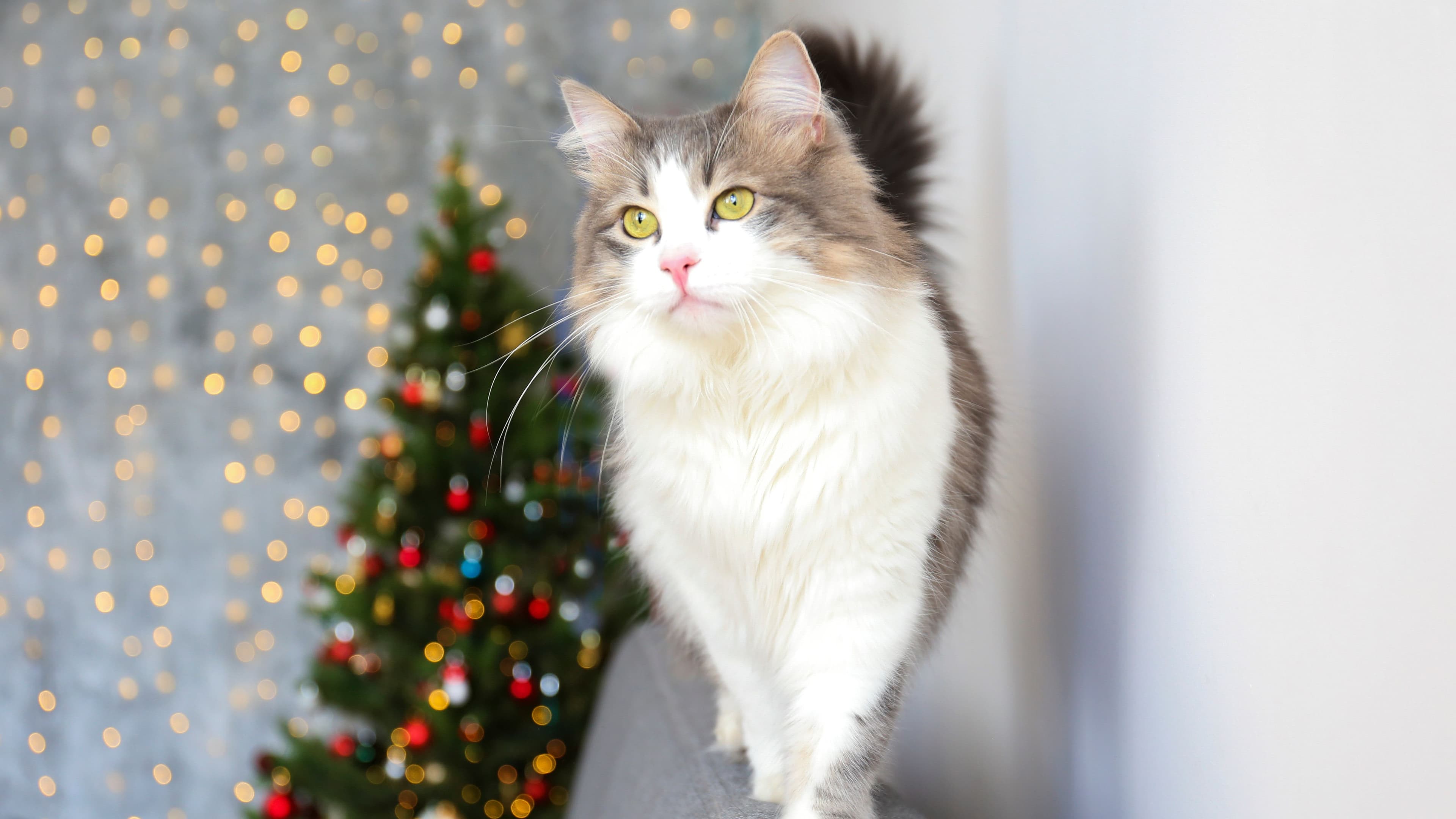
Christmas is a magical time filled with decorations, delicious food and festive cheer, but it can also bring hidden dangers for our feline friends. From twinkling tinsel to tempting treats, the holiday season is full of items that could be harmful to cats. By being aware of these common hazards, you can keep your home merry, bright, and safe for your pet this Christmas.
Christmas Plants Toxic to Cats
Poinsettia: mildly toxic; ingestion may cause mild mouth irritation, drooling, or vomiting due to its milky sap, but serious illness is uncommon.
Mistletoe: both European and American mistletoe are toxic to cats. Ingestion can cause vomiting, diarrhoea, low blood pressure, breathing difficulties and even hallucinations or collapse.
Holly: both the leaves and berries are toxic and can cause stomach upset, vomiting, and diarrhoea.
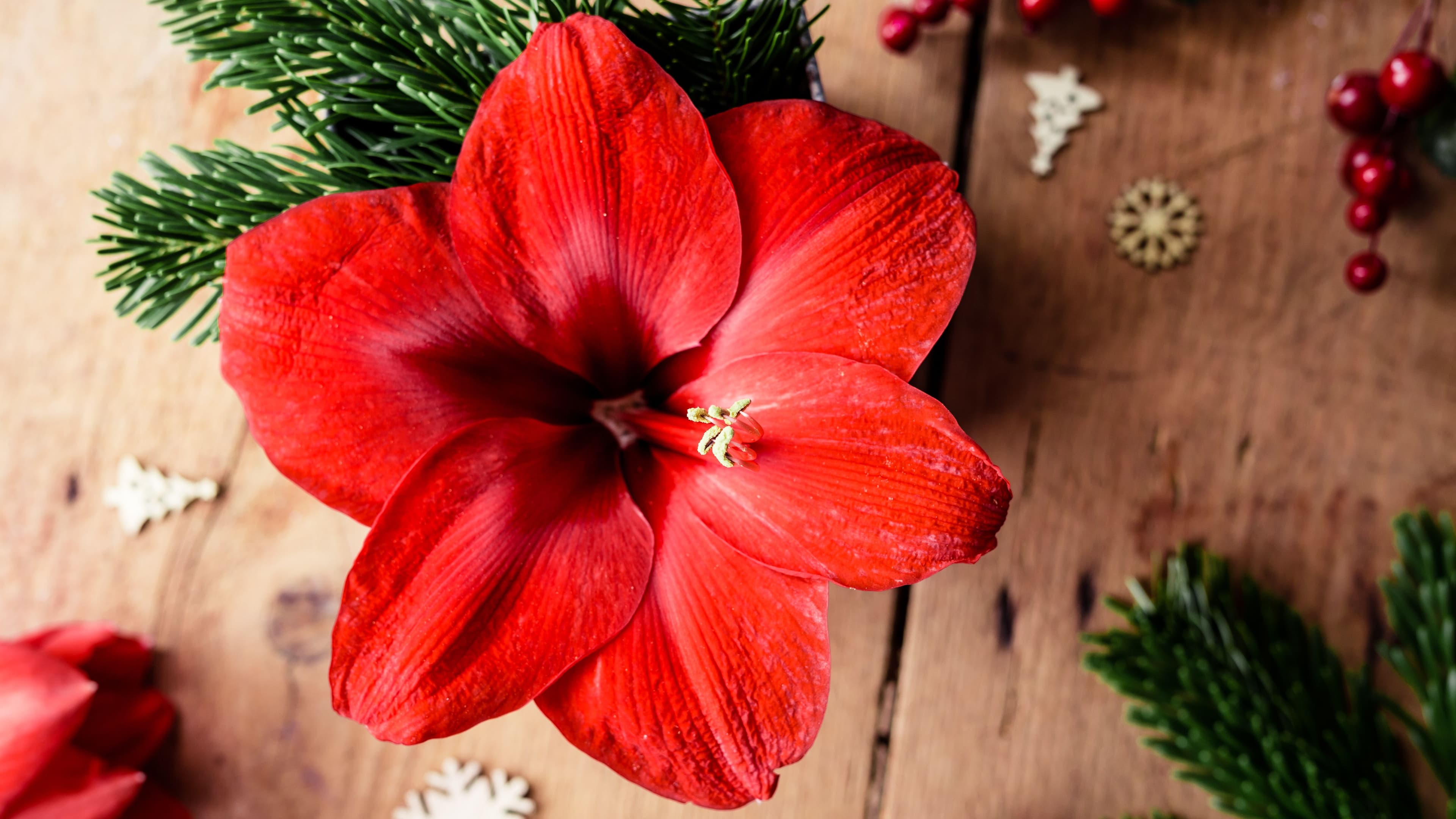
Amaryllis: especially dangerous because the bulb looks appealing to pets. Ingesting any part of the plant, particularly the bulb, can cause vomiting, diarrhoea and tremors.
Christmas Trees: oils and needles from real Christmas trees (pine, fir, or spruce) can irritate your cat’s mouth and stomach, causing vomiting, diarrhoea or reduced appetite.
Snowdrops: if your cat eats any part of a snowdrop plant, they may develop stomach upset, abnormal heart rate, or seizures.
More reading: Plants Poisonous to Cats

Christmas Foods Toxic to Cats
Chocolate: contains theobromine and caffeine, which is toxic to cats and can affect their heart and nervous system.
Xylitol: an artificial sweetener in sugar-free gum, candies, and some baked goods that is toxic to cats causing low blood sugar and can cause liver damage.
Onions, garlic, leeks and chives: part of the allium family, they can damage red blood cells and cause anemia. These are often in stuffing and gravy.
Fatty foods: turkey skin and other high-fat trimmings can lead to stomach and intestine upset in cats.
Diary product: most cats are lactose intolerant, so keep your cat away from them.
Cooked bones: can splinter, posing a choking hazard or causing internal injuries or blockages.
Protect Your Cat from Christmas Hazards in the Home
Decorations
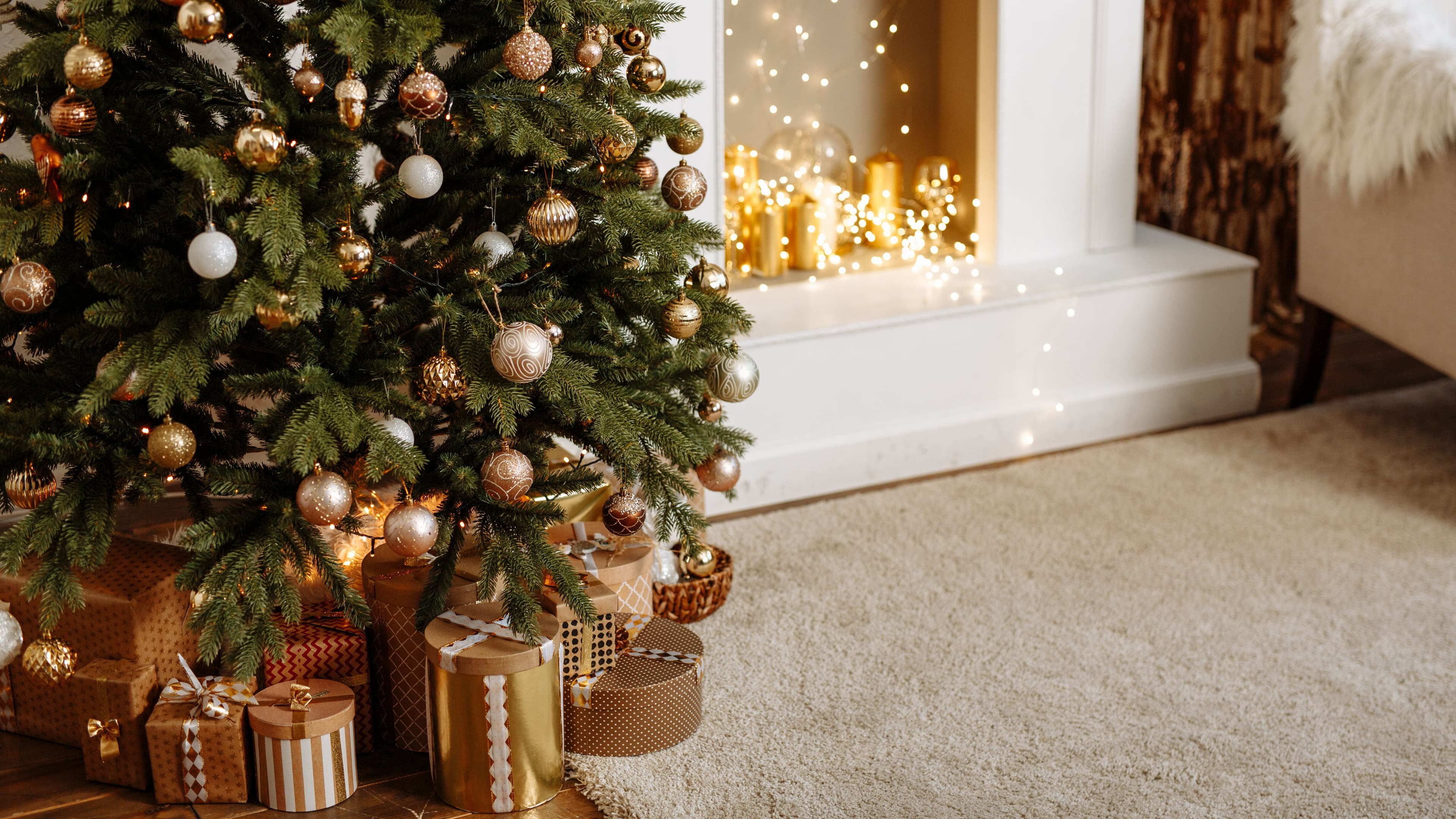
Electrical cords and lights: keep cords and wires out of your pet's reach to prevent electric shocks or burns. Secure cords with guards or tap them down and unplug lights when you're not home.
Ornaments: avoid breakable ornaments on lower branches, as shards can cut paws. Use shatterproof options or hang delicate ones higher up.
Tinsel and ribbon: these pose a serious risk of choking or causing dangerous intestinal blockages or twists if swallowed. Keep them out of reach and clean up any fallen pieces immediately.
Christmas tree: secure real trees to prevent them from tipping over. If you have a real tree, cover the water in the stand, as it can contain harmful chemicals.
Batteries: keep small batteries from toys and other devices away from cats, as they can cause severe internal chemical burns if swallowed.
Candles and open flames
Use alternatives: opt for battery-operated LED candles, which provide a similar glow without fire risk.
Supervise: never leave real candles or open flames like fireplaces unattended, especially when cats are in the same room.
Keep out of reach: place any real candles on sturdy, high surfaces that are impossible for your pet to knock over.
Create a Calm Space for Your Cat at Christmas Time
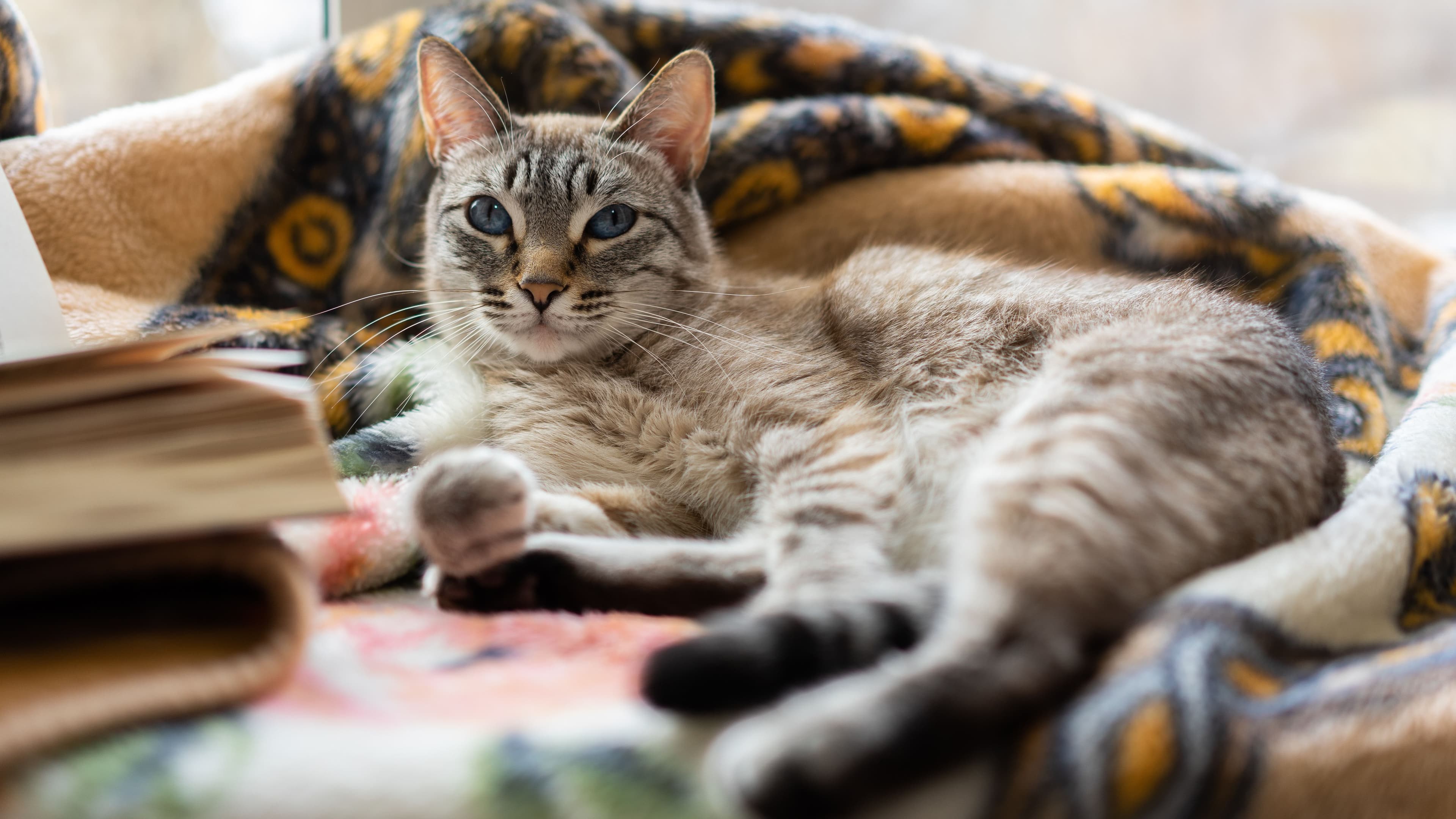
Provide a quiet, cosy space with their bed, toys and water where they can retreat if things get too noisy. Soft music or a familiar scent can help them relax. Let them explore new holiday scents and guests’ belongings gradually to avoid stress.
Summary: Have a Cat-friendly Christmas
The festive season should be joyful for the whole family, including your cat. By keeping toxic plants, foods, and decorations out of reach and creating a calm space for your pet to retreat to, you can ensure a stress-free and safe celebration. With a few simple precautions, you’ll give your cat the gift of comfort and care this Christmas.
More reading: Have a Dog-friendly Christmas