Guide to pet insurance: protecting your pet’s health and your peace of mind
Guide to pet insurance: protecting your pet’s health and your peace of mind
At Animal Trust, we know how worrying it can be when your pet is unwell or injured – and that the cost of treatment can add to those concerns. While some people have the means to confidently self-fund the care their pet needs, for many, pet insurance is a sensible way to help ensure that costs don’t get in the way of your pet getting the care it needs.
Published October 2025 | Review date October 2028 | This advice is for UK pets only and is not a replacement for seeing a vet
What is pet insurance?
Pet insurance is a policy you take out to help cover the cost of veterinary treatment if your pet becomes ill or has an accident. Depending on your policy, it may cover:
Referrals to another vets for any advanced treatments
Ongoing treatment for long-term conditions
Surgery or hospitalisation
Third-party liability (for dogs)
Lost or stolen pets
Why take out pet insurance?
Unexpected emergencies or complex conditions can cost hundreds to thousands of pounds. Pet insurance helps ensure:
You don’t have to make difficult decisions based on cost
Your pet can access referrals and specialist care if needed
You have financial protection and peace of mind
What types of pet insurance are there?
Lifetime cover: this is usually the most comprehensive and extensive option. It covers your pet for illnesses and injuries throughout their life, with the cover limit resetting each year. Time-limited cover: this covers conditions or injuries for a set period, often one year. After this time, that condition is no longer covered.
Maximum benefit cover: provides a fixed amount of money per condition with no time limit, but once the amount runs out for that condition, you can’t claim for it again.
Accident-only cover: covers injuries caused by accidents but not illnesses. This is the cheapest option but offers the least protection as it only provides covers for injuries from an accident
Things to consider and check before choosing a policy
Pre-existing conditions: most insurers won’t cover conditions your pet had before you took out the policy. It’s particularly important to consider this if you are thinking of changing insurers
Excess fees: the amount you pay towards each claim. You may have to pay a fixed excess e.g. £100 for each claim, but also a % excess such as 20%. A higher excess may lower the cost of the policy, but it’s good to balance this with how much you are comfortable paying in the event of a claim
Cover limits: check annual or condition limits to suit your pet’s needs. Vets like Animal Trust offer value pricing which will help your cover go further than at more expensive practices – but make sure you have the cover level you want
Age limits: some policies won’t cover pets over a certain age or will only offer accident cover for older pets.
Routine care: vaccinations, flea, and worm treatments aren’t usually covered by insurance, so budget for these separately, such as with PawAssist pet health plan.
When should I get pet insurance?
It’s often best to insure your pet while they’re young and healthy, as pre-existing conditions are excluded from new policies. This ensures they’re covered before any issues develop.
Do I really need pet insurance?
While pet insurance is optional, it can be invaluable if your pet develops an unexpected illness or injury. For example, ongoing treatment for diabetes, arthritis, or allergies can add up to hundreds or even thousands per year, or if your pet needs major surgery, or inpatient treatment the cost can be significant and need paying in full at the time. Having insurance means you can focus on your pet’s health without worrying about the cost
How can Animal Trust Vets help?
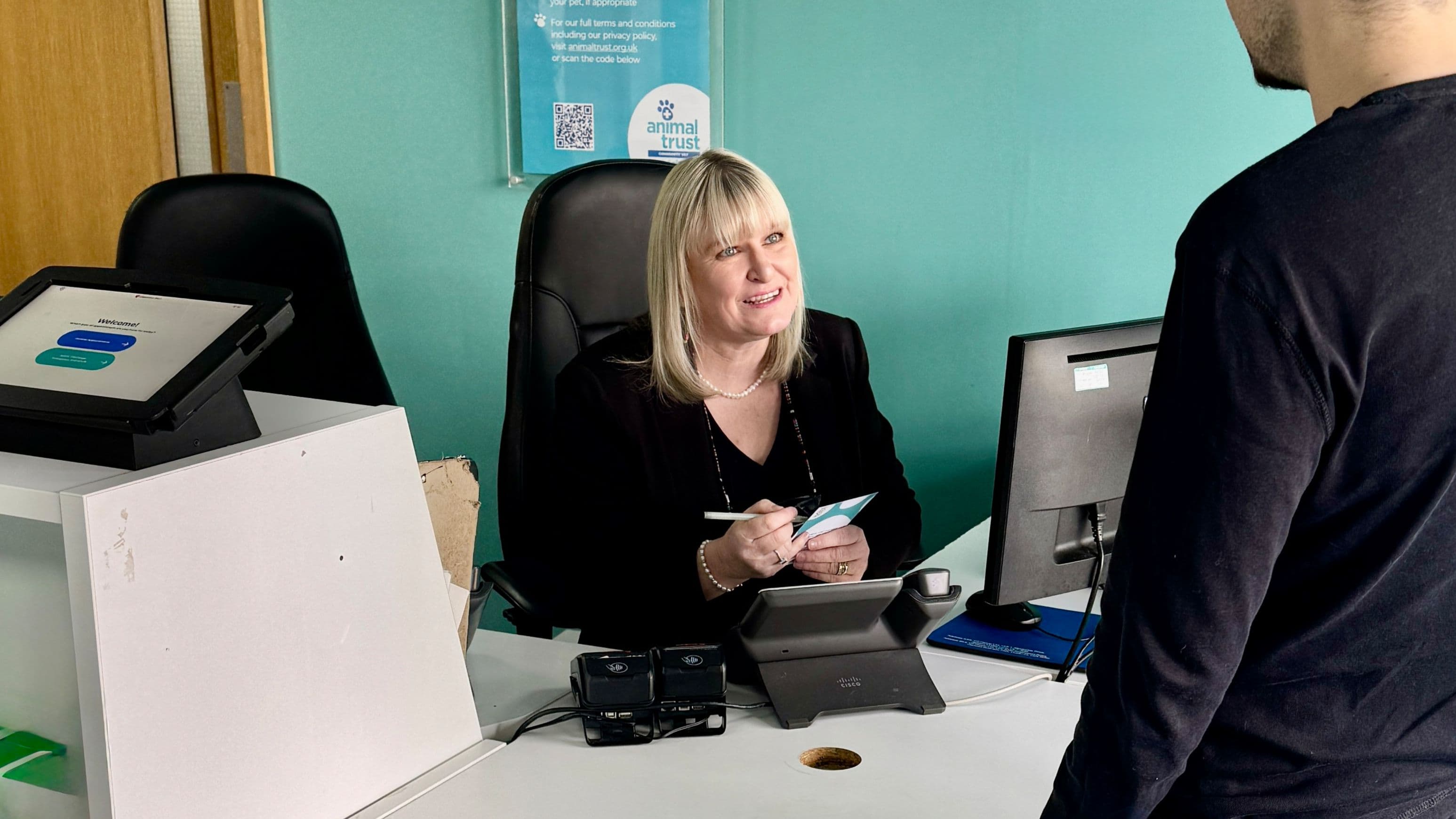
At Animal Trust, we’re a social enterprise veterinary provider, focused on keeping pet care accessible and affordable for everyone. While we offer free consultations and aim to keep treatment costs as low as possible, unexpected illness or injury can still bring significant costs, especially for surgery, hospitalisation or advanced diagnostics. That’s why we recommend considering pet insurance. It gives you peace of mind knowing you can choose the treatment your pet needs without financial worry.
Whether or not you are insured you are charged the same fees, and offered the same treatment options for your pet. If you do have an insurance policy though, we’re often able to claim the cost of treatment direct from your insurer. We’ll help ensure you have all the paperwork required to process your claim quickly. If you’re unsure about what cover is best for your pet, it’s always best to discuss this with your insurer directly as we can’t advise on insurance. Remember, pet insurance isn’t just about covering costs – it’s about making sure your pet can access the care they need, when they need it most.