
Microchipping Your Pet: What Owners Need to Know
A microchip is a small electronic chip about the size of a grain of rice that is implanted just under your pet's skin, usually between the shoulder blades.
Each chip contains a unique identification number that can be read with a microchip scanner. This number links to the owner’s contact details on a registered database.
Why Microchip Your Dog or Cat?
Microchipping provides a permanent form of identification for your pet. Unlike collars or tags, which can be lost or removed, a microchip stays with your pet for life. If a lost dog or cat is found and taken to a veterinary practice, rescue centre, or local authority, they can scan the microchip and use the identification number to locate the owner’s details.
This significantly improves the chances of a lost pet being reunited with its family.
Written by Gillian Burkhill, Veterinary Surgeon, Animal Trust Vets CIC | Published May 2026 | Review date May 2029 | This advice is for UK pets only and is not a replacement for seeing a vet

How Is a Microchip Implanted?
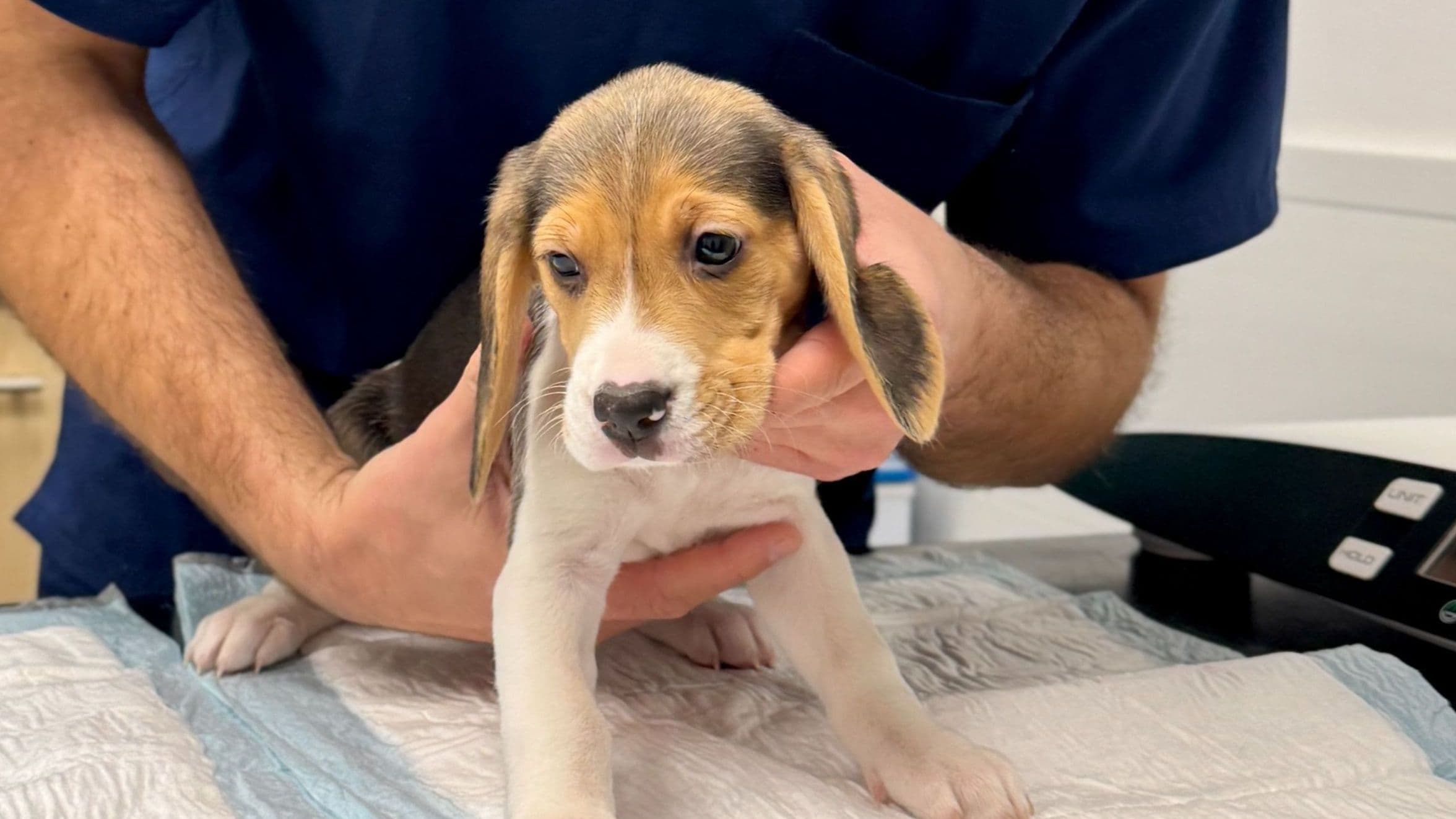
Microchipping is a quick and simple procedure. The chip is inserted under the skin using a sterile needle. Most pets tolerate the procedure very well, and it usually causes minimal discomfort.
Is Microchipping Your Cat or Dog a Legal Requirement in the UK?
Yes. In the UK:
Dogs must be microchipped by 8 weeks of age
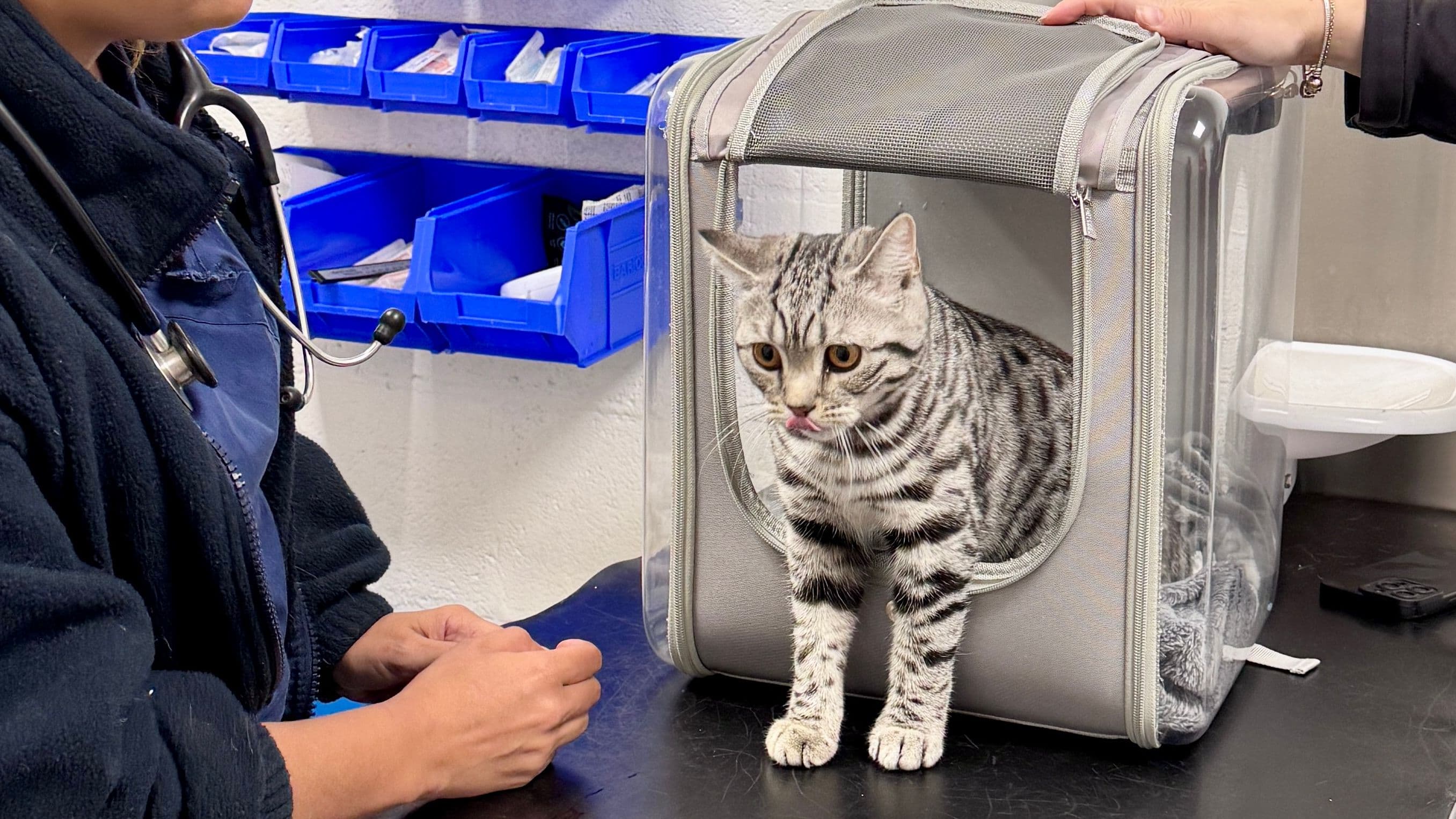
Cats must be microchipped before 20 weeks of age
The microchip must also be registered on an approved database with the owner’s contact details.
Registering Your Pet’s Microchip
After the microchip is implanted, the chip number must be registered on an approved microchip database along with the owner’s contact details.
Keeping these details up to date is very important. You should update the database if you:
move house
change your phone number
transfer ownership of your pet
If your dog or cat is rehomed, the microchip registration should be updated so the new owner’s details are recorded.

Important Thing to Know About Microchips
Not a GPS Device
Microchips are not GPS trackers - they cannot track your pet’s location. The chip only provides identification when it is scanned.
Regular Checks
Regular checks are recommended, our vets and nurses can scan your pet’s microchip during routine visits to confirm it is working.
Complementary to Other ID Forms
Collars and ID Tags - although microchips provide permanent identification, collars with ID tags can allow someone to contact you quickly if your pet is found. In the UK, dogs must wear a collar and identification tag in public, even if they are microchipped. The tag must include the owner’s name and address. There is no legal requirement for cats to wear a collar, but some owners choose to use breakaway collars with ID tags for additional identification.