
Symptom: Cloudy Eyes – Why does my pet have cloudy eyes?
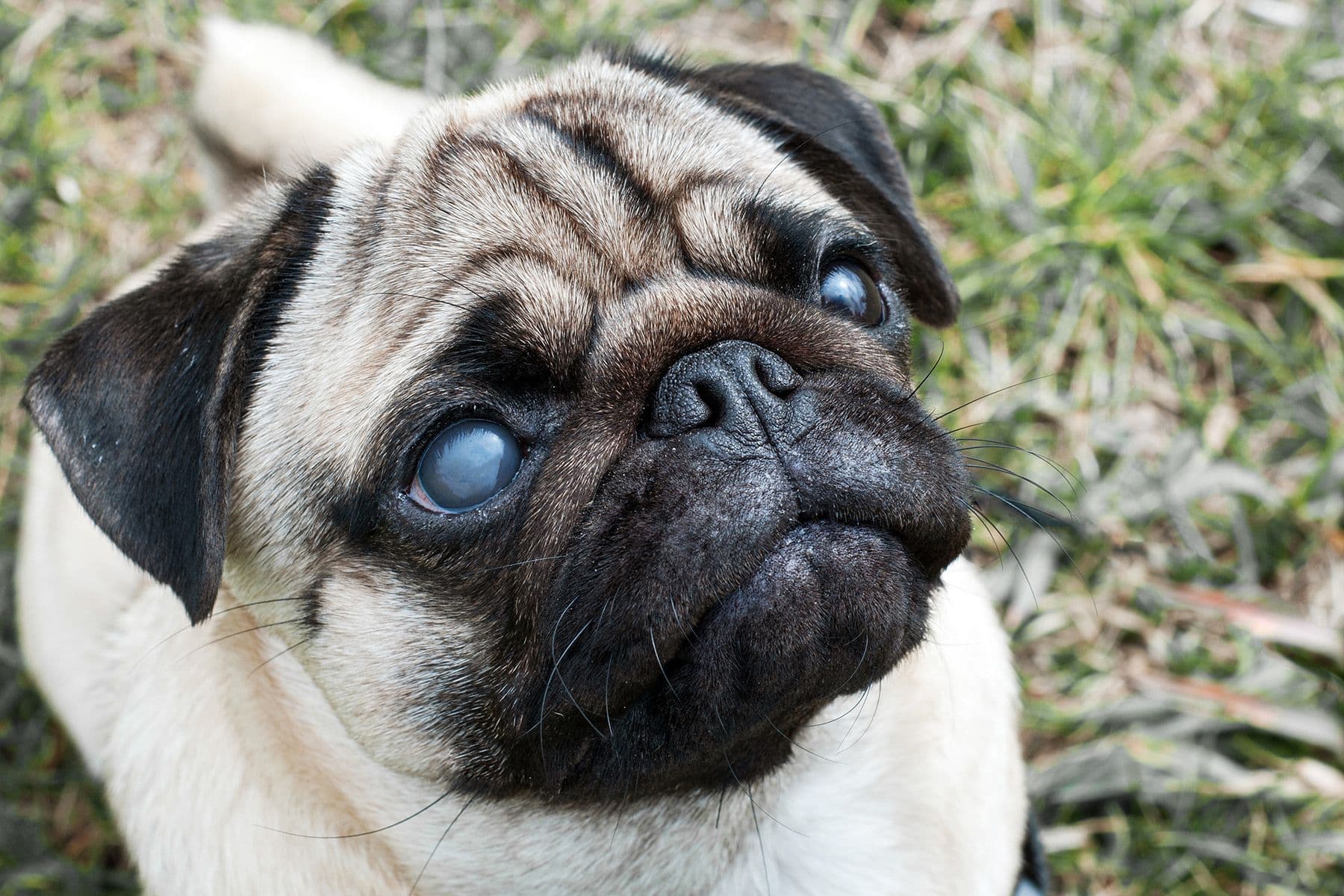
How can I tell if my pet's eyes are cloudy?
Hazy or milky film that covers the surface of the eye (cornea) or the lens behind the coloured part of the eye (iris).
Colour changes of the cloudiness that can range from a milky white to a grey or blue tint
Location of the cloudiness may be a small spot or cover the entire eye, and can appear on one or both eyes
Written by Dr. Mariella Roberts, Veterinary Surgeon, Animal Trust Vets CIC | Published October 2025 | Review date October 2028 | This advice is for UK pets only and is not a replacement for seeing a vet
Frequently asked questions
- Cataracts which are the most frequent cause, where the eye's natural lens becomes cloudy due to a buildup of proteins, typically because of aging.
- Eye injury such as trauma to the eye can immediately cause cloudiness or haziness.
- Corneal conditions where the cornea (the clear front surface of the eye) can become damaged, swollen, or scarred due to various conditions, resulting in cloudy vision
- Glaucoma that damages the optic nerve, often due to increased pressure in the eye.
- Uveitis (inflammation inside the eye), or even chronic dry eye can contribute to a cloudy or hazy appearance.
- Gently clean the eye area by wiping away any dirt or discharge
- Maintain a clean environment to avoid irritation to the eyes
- Prevent self-trauma by using buster collars
- Monitor and track changes
- Follow your vet's guidance and administer all prescribed medications exactly as directed by your vet
- Do not use human eye drops or ointments
- Do not use unapproved home remedies
- Do not attempt to force the eye open or poke around
- Do not move furniture if your pet is vision-impaired
- Do not delay professional treatment
Contact your vet immediately if your pet's eyes suddenly become cloudy, especially if accompanied by squinting, redness, swelling, discharge, or signs of vision loss.
You should also see a vet promptly if the cloudiness follows an injury, appears in a puppy, or if the eye looks bulging or larger than normal.