
Symptom: Head Tilt – Why is my pet tilting their head?
Understanding different head tilts
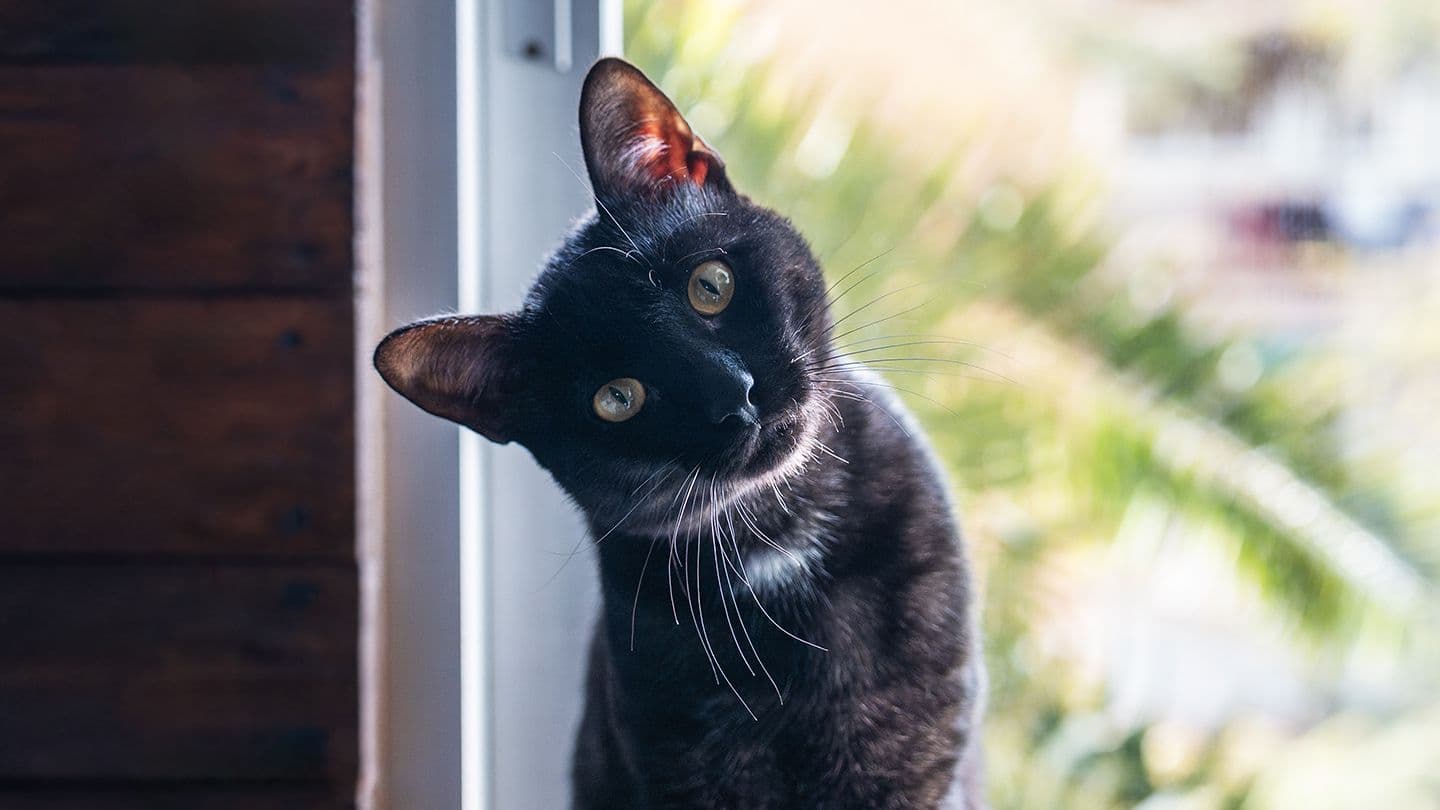
The cute tilt (normal):
a quick, temporary tilt of the head when hearing a new sound, showing they're listening or trying to understand you.
The medical tilt (abnormal):
Persistent angle of head held at a constant, unnatural angle to one side.
Balance issues such as circling, leaning to one side, falling, stumbling, or difficulty walking
Rapid, involuntary eye movements (nystagmus), drooping eyelids, or unequal pupil size
Other signs such as head shaking, loss of appetite, nausea, lethargy, or behavioural changes
Written by Dr. Mariella Roberts, Veterinary Surgeon, Animal Trust Vets CIC | Published October 2025 | Review date October 2028 | This advice is for UK pets only and is not a replacement for seeing a vet
Frequently asked questions
- Normal curiosity (helping them hear/see better)
- Ear infection
Further reading: Ear infections in cats, ear infections in dogs
- Vestibular disease (balance problem in the inner ear/brain)
- Neurological condition
Further reading: Aural haematoma in dogs
- Keep your pet safe and well supported (quiet space, soft bedding, baby gates)
- Assist with mobility (short lead on walk, towel sling)
- Help with eating and drinking
- Reduce stress and stimulation
- Don’t try to diagnose or treat the cause yourself
- Don’t put anything into your pet’s ears unless your vet has advised it
- Don’t allow your pet to use stairs or jump
- Don’t ignore other symptoms with it
- Don’t leave your pet unsupervised
- Don’t give human medications
- Contact your vet as soon as you notice the head tilt
- Contact your vet urgently if you notice any of these signs:
Balance problems
Eye changes
Sickness or behaviour changes
Pain