
Symptom: Noisy Breathing – When Should I Contact a Vet?
What Does Noisy Breathing Look Like in Dogs and Cats?
Noisy breathing is often a sign that air is not moving normally through your pet's airways. Any sudden, severe or persistent noisy breathing should be assessed promptly by a vet, especially if your pet is struggling to breathe.
Common signs include:
Snoring, wheezing, rasping or unusually loud breathing
Laboured breathing or breathing with increased effort
Open-mouth breathing (especially in cats)
Stretching the head and neck forwards to breathe
Coughing, gagging or retching
Blue, grey or pale gums
Noisy Breathing in Pets: Frequently Asked Questions
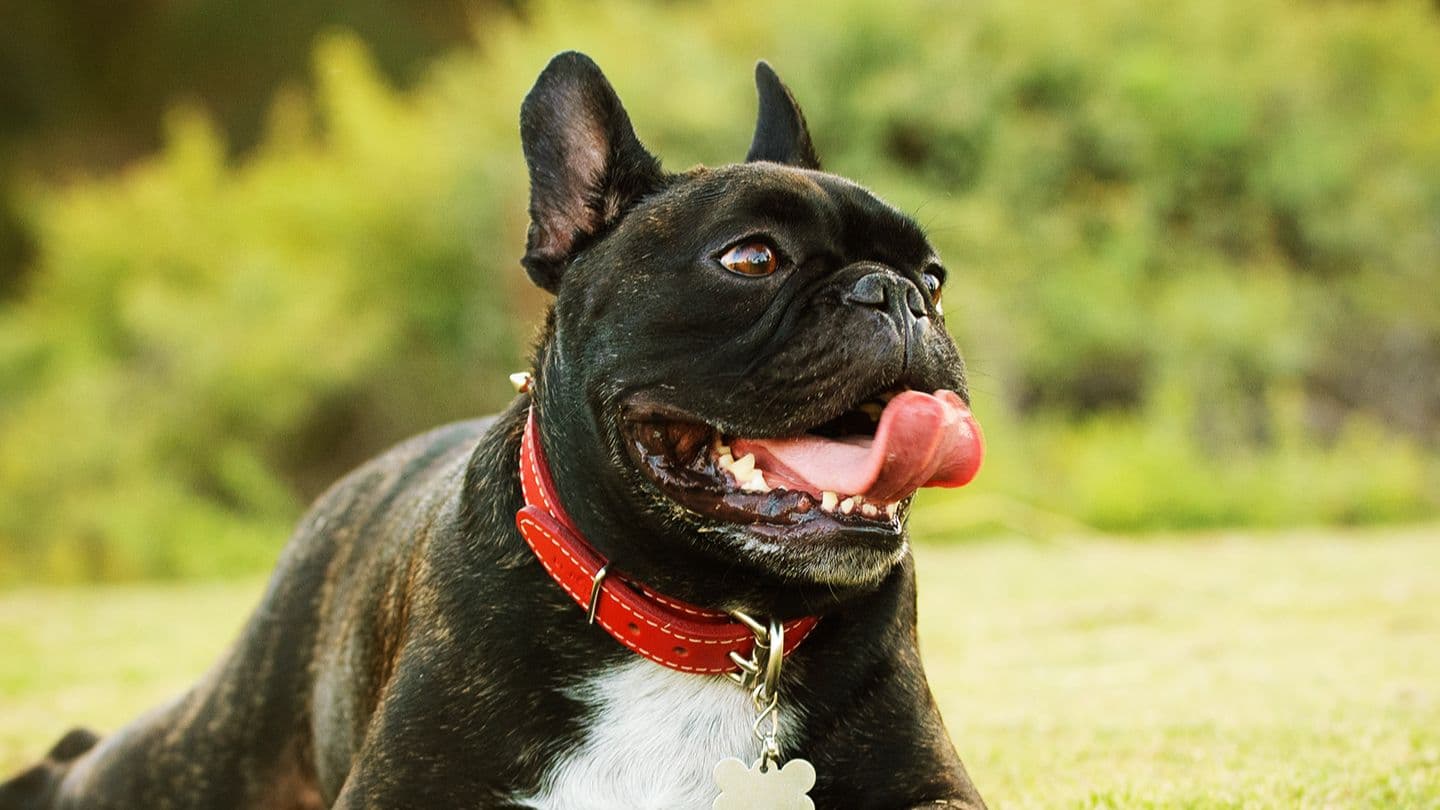
- Breed-related airway problems: flat-faced (brachycephalic) breeds, such as Pugs, Bulldogs and Persian cats, are prone to breathing difficulties because of their shortened airways. Further reading: BOAS condition
- Laryngeal paralysis or a collapsing trachea: these conditions narrow the airway and can cause noisy breathing, particularly during exercise or excitement.
- Respiratory infections or inflammation: swelling or inflammation affecting the upper airways can make breathing noisy.
- Airway obstruction: foreign bodies, tumours or other obstructions affecting the nose or throat can partially block the airway.
- Allergic reactions: swelling of the airways caused by an allergic reaction can make breathing noisy and may require emergency treatment. Further reading: Spring & Summer Dog Allergies
- If your pet is struggling to breathe or the noisy breathing starts suddenly, contact your vet immediately.
- Keep your pet calm and as quiet as possible, as excitement can make breathing more difficult.
- Move your pet to a cool, well-ventilated area if they are overheating.
- Monitor your pet closely and arrange a veterinary examination if the noisy breathing persists or recurs.
- Don't encourage your pet to exercise if they are breathing noisily.
- Don't ignore noisy breathing, especially if it is new, getting worse or occurs at rest.
- Don't delay contacting your vet if your pet is struggling to breathe.
- Don't give any medications unless they have been prescribed or recommended by your vet.
Seek immediate veterinary attention if your pet:
- Is struggling to breathe or making loud noises while breathing.
- Has sudden or rapidly worsening noisy breathing.
- Has pale, blue or grey gums.
- Collapses, becomes very weak, or is difficult to wake.
- Is open-mouth breathing (especially cats).
Breathing problems can worsen quickly. If you are concerned that your pet is having difficulty breathing, contact your vet immediately.
Written by Dr. Mariella Roberts, Veterinary Surgeon, Animal Trust Vets CIC | Published October 2025 | Review date October 2028 | This advice is for UK pets only and is not a replacement for seeing a vet