
Symptom: Depression – Is my pet depressed?
Signs that my pet is depressed
Lethargy with a noticeable decrease in energy and a reluctance to move or engage in activities
Loss of interest by no longer showing enthusiasm for toys, games, walks, or interactions your pet once enjoyed
Social withdrawal by hiding, avoiding contact with family and other pets
Sleeping significantly more than usual
Restlessness
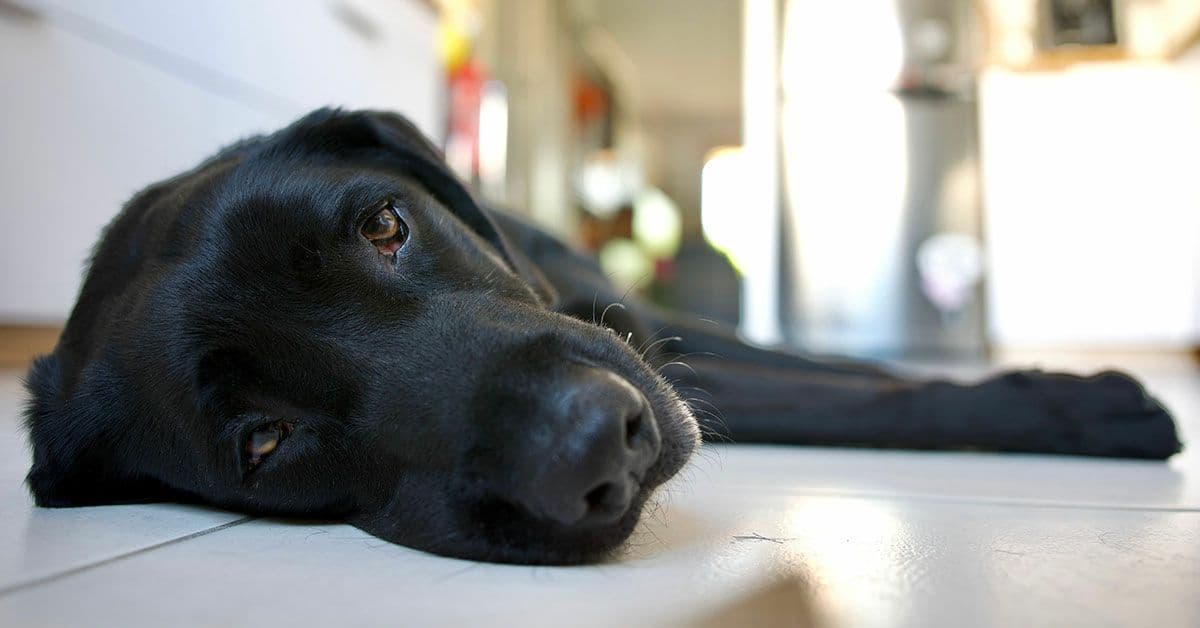
"Sad" expression and droopy eyes or aggression
Self-soothing behaviours by excessive licking or chewing
Written by Dr. Mariella Roberts, Veterinary Surgeon, Animal Trust Vets CIC | Published October 2025 | Review date October 2028 | This advice is for UK pets only and is not a replacement for seeing a vet
Frequently asked questions
- Physical illness or pain
- Environmental changes like new people in the family, new home, new pet
- Mourning the loss of a family member (either a person or another pet)
- Insufficient stimulation and boredom
- Fears and phobias like loud noises, separation anxiety
- Maintain a consistent routine
- Increase physical exercise
- Provide mental stimulation
- Spend extra quality time together, such as cuddling, grooming, patience and attention
- Reward positive behaviour
- Do not overly comfort your pet while he/she is exhibiting sad or withdrawn behaviour
- Do not force him/her into activities your pet resists
- Do not neglect their basic needs such as adequate food, water, and opportunities to relieve himself/herself
- Do not introduce them to dominant or aggressive pets
- Do not delay a veterinary visit, as depression can be a sign of an underlying physical illness or chronic pain that requires medical attention