
Symptom: Sneezing – Why is my pet sneezing?
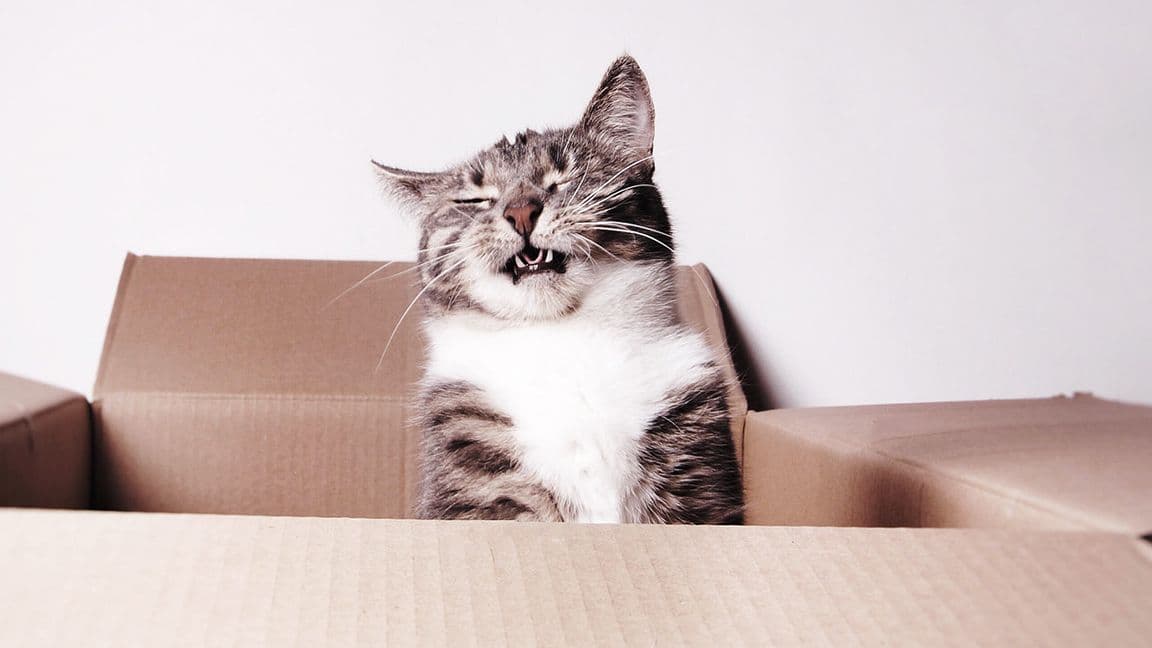
How can I recognise types of sneezing in my pet?
Normal Sneezing
The pet pushes air out of their nose forcefully
Reverse Sneezing
Rapid sucking air into the nose
Snorting or honking sound
Your pet may appear distressed with extend neck like struggling to breathe
Written by Dr. Mariella Roberts, Veterinary Surgeon, Animal Trust Vets CIC | Published October 2025 | Review date October 2028 | This advice is for UK pets only and is not a replacement for seeing a vet
Frequently asked questions
- Normal sneezing may be triggered by irritants such as dust, pollen, or other inhaled particles
- Reverse sneezing possible triggers can be allergies, excitement, or irritants in the nasal passages
More reading: Spring & Summer Dog Allergies
- Playful sneezing with excitement
- Irritants: household products like air fresheners, perfumes, and cleaning supplies
- Allergies: dust, pollen, molds and mites
- Small objects like grass seeds, dirt, or even pieces of toys
- Bacterial, viral, or fungal infections with other symptoms like discharge from nose and coughing
- Infected teeth or gum disease can cause inflammation into the nose
More reading: Gum Disease in Cats, Gum Disease in Dogs
- Growths or tumours in the nose
- Clean the environment by reducing irritants and washing beddings
- A humidifier can add moisture to the air, helping to loosen mucus
- Flush your pet's nasal passages with saline solution to dislodge irritants
- If your pet seems distressed, gently massage their throat or lightly blow on their face to encourage swallowing, which can sometimes stop reverse sneezing
- Avoid spraying aerosols like air fresheners, hairspray, or cleaning products in the same room as your pet
- Don't try to prevent your pet from sneezing; this can potentially cause harm, such as rupturing blood vessels in the eyes or brain
- If your dog's sneezing persists for more than a few days
- If you notice a mild nose discharge such as thick, discolorued, or excessive
- If your pet is sneezing excessively
- If the sneezing is accompanied by other symptoms such as discharge from nose (especially if it's thick, bloody, or discolored), difficulty breathing, lethargy, eating less or pawing at their nose
- If your pet is sneezing blood
- If you suspect a foreign object is lodged in your pet's nose passages