Animal Trust

What is Gum Disease in Dogs

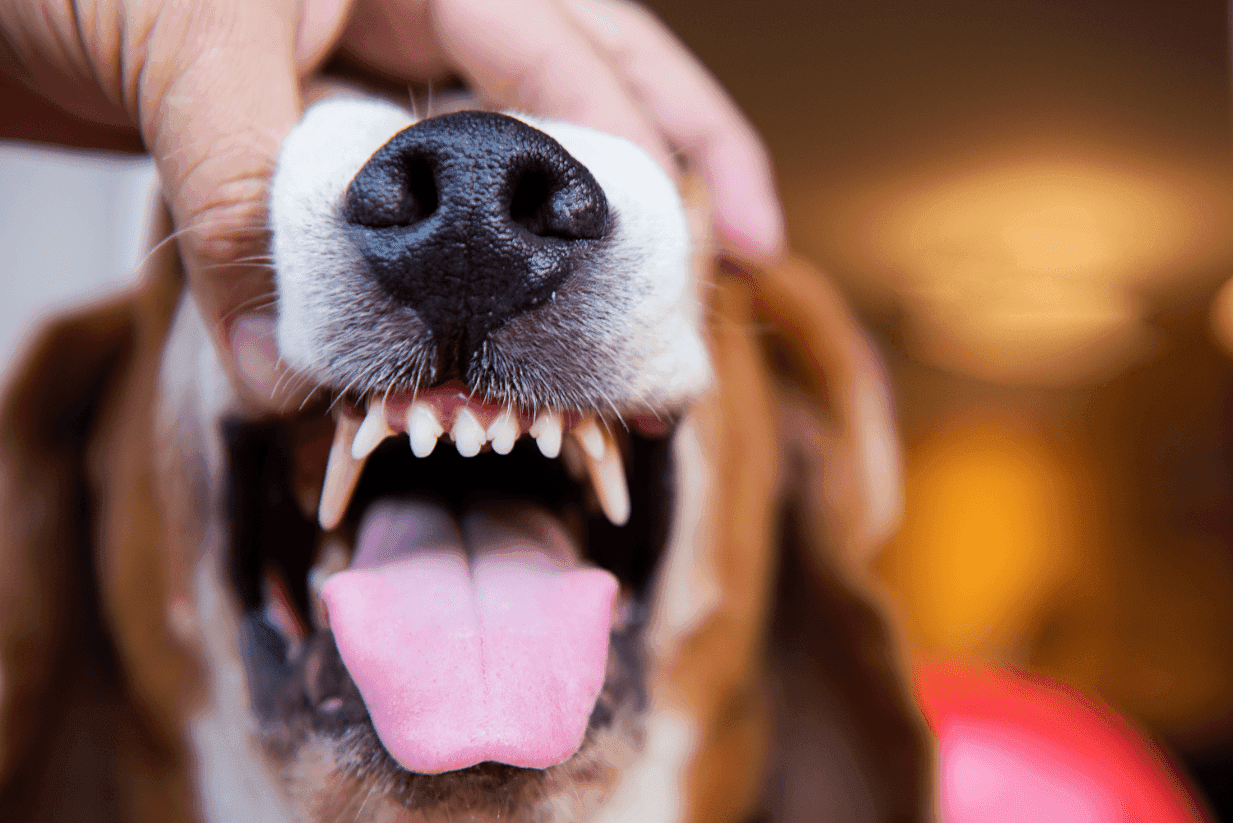
Gum disease, also known as periodontal disease, affects the gums and the tissues that support the teeth. It is caused by the build-up of dental plaque, which can lead to inflammation of the gums and, if the disease progresses, damage to the tissues and bone supporting the teeth. 

Gum disease is common in dogs and can be painful. Without treatment, advanced periodontal disease can lead to loss of tooth support and affected teeth may need to be removed. 

Some dogs are more prone to periodontal disease than others. Small dogs can be particularly susceptible, and some dogs with brachycephalic (short-nosed) conformation may be more prone to dental problems because of tooth crowding and positioning. 

What is Gum Disease in Dogs

Gum Disease in Dogs - Symptoms, Treatment, Prevention

Signs of gum disease can include: 

  • Red, swollen or bleeding gums 

  • Yellow or brown tartar on the teeth 

  • Receding gums or teeth that appear longer than usual 

  • Loose or missing teeth 

  • Drooling, sometimes with blood in the saliva 

  • Difficulty eating or chewing 

  • Dropping food 

  • Pawing or rubbing at the mouth or face 

  • Swelling around the face or jaw 

  • Pulling away or resisting when the mouth or face is touched 

Dogs can hide signs of dental pain, so changes in their eating habits or behaviour can also be important clues. 

Contact your vet if you notice any signs of gum disease or a change in your dog’s eating habits or behaviour. Dental disease can be painful, even when your dog appears otherwise well. 

Contact your vet urgently if your dog: 

  • Appears to be in significant pain 

  • Is unable or unwilling to eat or drink 

  • Has marked swelling around the face or jaw 

  • Has significant bleeding from the mouth 

  • Is unable to close their mouth 

Gum disease is diagnosed through a clinical examination by a vet. They will examine your dog’s mouth and look for signs of inflammation and disease affecting the gums and tissues supporting the teeth. 

If dental treatment is needed, a more detailed examination can be carried out under general anaesthesia as part of the dental procedure. The gums and each tooth can then be assessed closely, including probing around the teeth to assess the depth of any periodontal pockets. Dental X-rays can also be taken to assess the tooth roots and the bone supporting the teeth. 

Periodontal disease can be staged according to the extent of damage to the tissues supporting the teeth. Your vet will assess the severity of the disease using their examination, periodontal probing and dental X-rays. 

Treatment depends on the severity of your dog’s gum disease and the individual teeth affected. Your vet will recommend the most appropriate treatment based on their examination and any dental X-rays taken. 

Treatment may include professional dental cleaning, cleaning below the gum line, or extraction of teeth that are severely affected or have lost significant support. Pain relief will be provided where needed. 

Dental treatment is carried out under general anaesthesia so that the teeth and tissues below the gum line can be assessed and treated safely. 

Regular dental care can help reduce the build-up of plaque and support your dog’s oral health. 

There are a range of ways to help care for your dog’s teeth at home, including toothbrushing, dental diets, chews, gels, wipes and powders. The most suitable options will depend on your individual dog. 

For more information about caring for your pet’s teeth at home, see our Dental Care at Home article. 

Regular veterinary checks can also help identify dental problems and determine whether your dog needs further assessment or treatment. 

The outlook for dogs with gum disease depends on how advanced the disease is and which teeth are affected. Treatment can relieve pain and help control further damage to the tissues supporting the teeth. Ongoing home dental care and regular veterinary checks can help maintain your dog’s oral health. 

Author

Written by Gillian Burkhill, Veterinary Surgeon, Animal Trust Vets CIC | Published August 2026 | Review date August 2029 | This advice is for UK pets only and is not a replacement for seeing a vet

Concerned about your pet?