
How to Settle a New Kitten
Welcoming your new kitten into your home is an exciting time, and the first few days are crucial for helping him/her adjust, build trust, and set up the foundation for their lifelong well-being.
The initial period in a new environment can be overwhelming for a kitten, who has just been separated from their mother and littermates and exposed to unfamiliar sights, sounds, and smells. These first few days are vital because of:
socialisation and trust, and gentle handling
stress reduction by providing a safe and quiet space
establishing a routine for feeding time, playtime and litter box routines
identify health issues
Written by Dr. Mariella Roberts, Veterinary Surgeon, Animal Trust Vets CIC | Published October 2025 | Review date October 2028 | This advice is for UK pets only and is not a replacement for seeing a vet


Preparing a Safe Space and Bringing Your Kitten Home
Preparing a safe space for your new kitten:
Check the room for possible hazards such as fireplaces, exposed cables and poisonous plants. Remember, kittens can squeeze into very small spaces.
Place the litter tray in a discreet corner of the room, with the food bowl on the opposite side and the water bowl away from both the food and the litter tray.
Place your kitten's scratching post nearby (this should be replaced with a taller one as your kitten grows.
Have a couple of toys ready for playtime. Don’t leave any toys out with string attached; only use these under supervision so that your kitten isn’t hurt.
Bring your kitten home with some bedding, if possible, as this is something familiar when everything else around them is new, to feel secure.
Bringing your kitten home:
Use a secure carrier by transporting your kitten in a sturdy, well-ventilated cat carrier.
Place the carrier on the floor of the car and secure it with a seatbelt so it doesn't slide or tip over.
Drive calmly with minimal noise; avoid sudden stops or loud music.
Keep the temperature comfortable for your kitten and never leave him/her unattended in the car.
When your kitten arrives, place him/her in his/her safe room whilst inside his/her carrier, and carefully open the door, allowing him/her to come out in his own/her own time (never force your kitten out of their carrier). The carrier can be left in this room as a safe place for your kitten to retreat to.
Tips for Kitten's First Night
Have your kitten close to you in a warm and cosy spot next to your bed.
Kittens like to feel sheltered and secure so putting them above the ground, if possible, can also make them feel safer.
Make sure your kitten has something soft that he/she can burrow into – but not something his/her claws can get tangled in.
Kittens First Few Days at Home
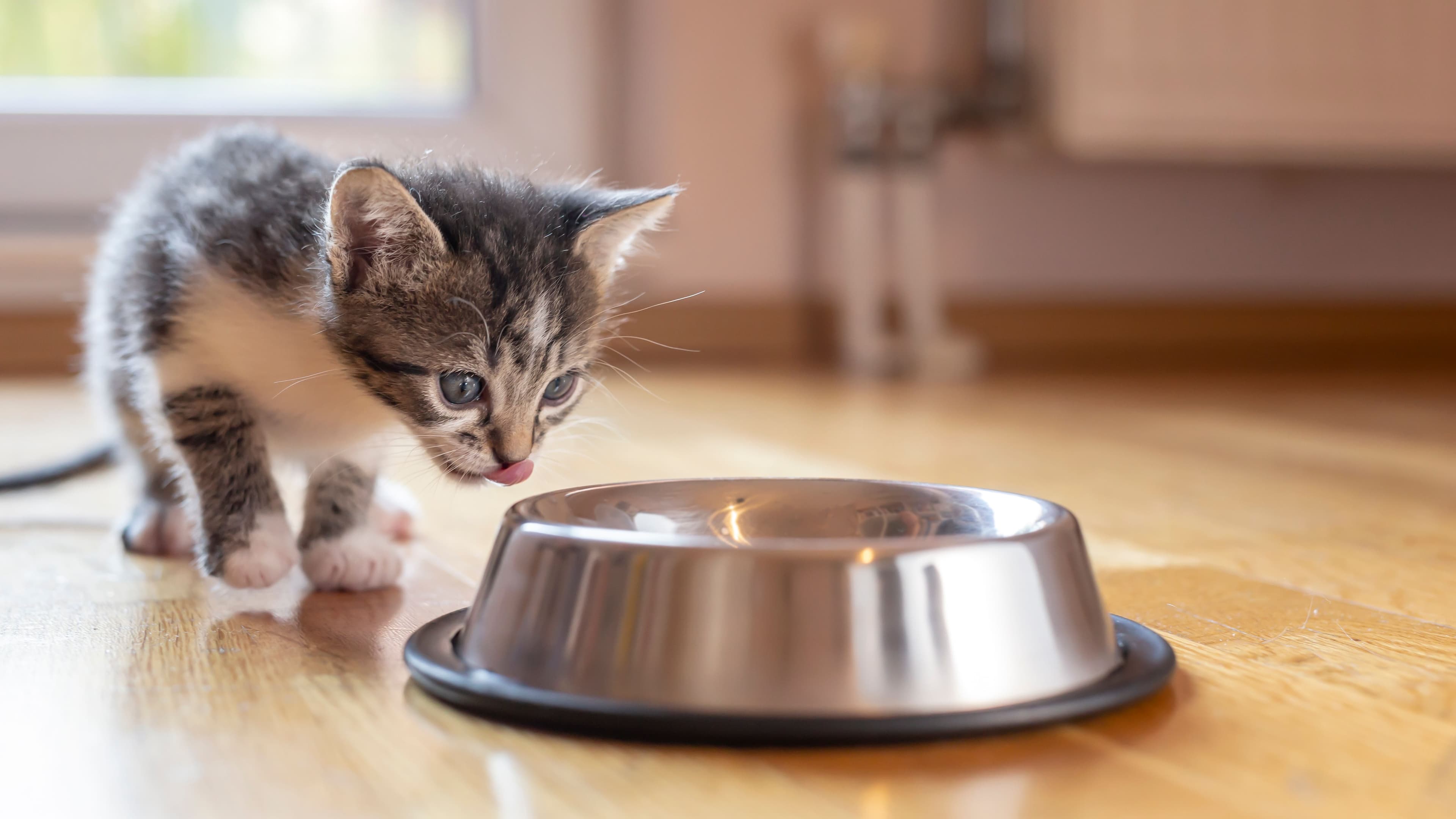
Start by confining your kitten to one safe area or room. This helps them feel secure and prevents sensory overload. Once they’re confidently exploring, eating, and using the litter box, you can slowly introduce more of the home.
Creating a simple, consistent rhythm helps your kitten feel safe and grounded. Include:
Feeding times spaced throughout the day
Short, positive play sessions to build confidence and bond
Plenty of rest, kittens sleep a lot, and quiet time is essential for healthy development
A soothing, steady routine sets the foundation for a confident, happy kitten as he/she grows.
Building Your Kittens Confidence
Let your kitten explore the safe room, and eventually the rest of the house, at his/her own speed and avoid loud noises or sudden movements that might startle him/her. Use pheromones to plug into the house.
Use positive interactions by being patient and calm, letting your kitten come to you.
Finally, kittens are very playful so make sure your kitten has an assortment of toys to keep him/her occupied and exercised.
Feeding & Litter Training for Your Kitten
When your kitten first comes home, feed them on the same food they’ve been used to - a sudden change, combined with the stress of getting used to a new home, can cause an upset stomach and diarrhoea. If you want to change your kitten’s diet, do so gradually by mixing the old food with the new food, increasing the amount of new food and decreasing the amount of old food over a 7-day period.
Use high-quality kitten food formulated for their life stage; if the diet is marked as ‘complete’, it contains everything your kitten needs to stay healthy. If it’s marked as ‘complementary’, it doesn’t contain everything needed and will have to be fed alongside another food.
Both kittens and adult cats need to be fed little and often. Feed the correct amount according to the instructions but then split this into 4-5 meals a day.
For toilette training, lace the litter box in a quiet, easily accessible spot away from food and water and gently place your kitten in the litter box upon arrival and after meals or naps so he/she knows where it is. Praise and offer a treat immediately after your kitten successfully uses the box and if an accident happens, clean it up and calmly place some of the soiled litter in the box to guide him/her but never punish!
Socialisation for Your Kitten & Other Pets
Encourage various people (different ages, voices, etc.) to interact with your kitten briefly and gently, always supervised.
Reward positive interactions and calm behaviour with treats, praise, or gentle petting.
Introduce household sounds like play recordings of common sounds (doorbells, vacuum cleaners, washing machines, etc.) at a very low volume while your kitten is relaxed or playing and gradually increase the volume over time, only if your kitten remains calm.
Before introducing your kitten to other pets ensure all pets are healthy and up to date on vaccinations.
Stroke the resident pet and then your kitten without washing your hands to mix their scents.
Swap bedding or toys between their areas.
Allow each pet to explore the other's territory while the other is confined, so they can investigate the scent without direct contact.
Once both pets are comfortable with the scent swapping (no hissing or avoidance), use a barrier like a baby gate or glass door to allow them to see each other safely.
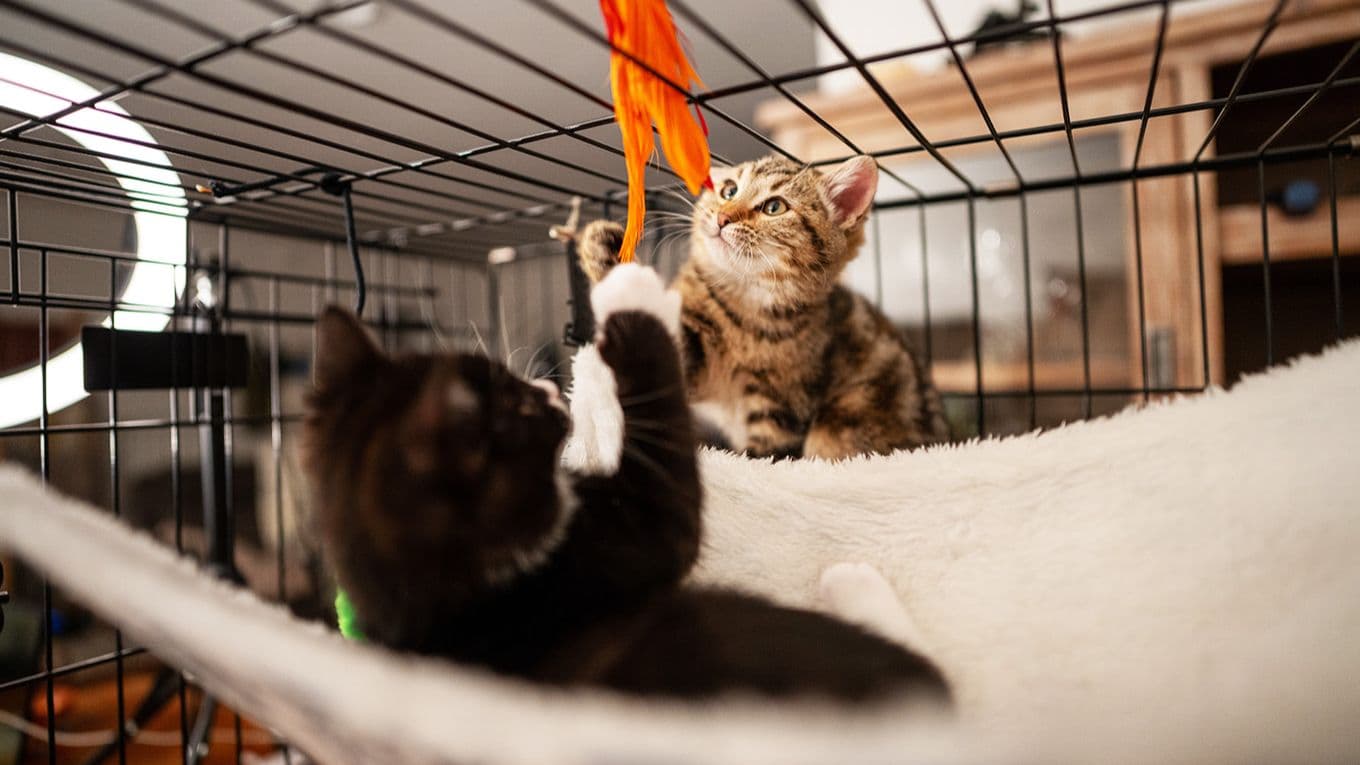
Feed them on opposite sides of the barrier or engage them in play with a wand toy, rewarding calm behavior with treats.
Supervised face-to-face meetings in a neutral area, ensuring both pets have escape routes or high perches to retreat to.
Keep these sessions short and positive, ending before any signs of aggression occur and never leave them unsupervised until you are certain they are safe together.
Gradually increase unsupervised time together as positive interactions continue.
Health Checks for Your Kitten
- A prompt initial vet visit is crucial for a full health assessment.
- Schedule an appointment within the first few days of bringing your kitten home. Your vet will perform a full physical exam to check for any underlying health issues and ensure your kitten is thriving.
- Your vet will also discuss worming, parasites and microchipping to do at the best time for your kitten.
- Bring all available paperwork from the breeder or previous owner, including existing vaccination certificates and deworming records. This helps your vet establish an appropriate future healthcare schedule.
Signs Your Kitten is Settling In
A well-adjusted kitten will display several positive behaviours. Observing these signs can assure you that your kitten is feeling safe and comfortable in their new environment:
Eating consistently shows your kitten is relaxed enough to focus on basic needs. If your kitten is readily finishing meals and is comfortable eating around you, he/she likely adjusting well.
Using the litter box reliably and without accidents is a strong sign of a kitten feeling safe enough to follow his/her natural instincts in his/her new territory.
Gradually venturing out more, sniffing around new rooms, and exploring his/her surroundings with curiosity. This demonstrates growing confidence and a sense of ownership over his/her new space.
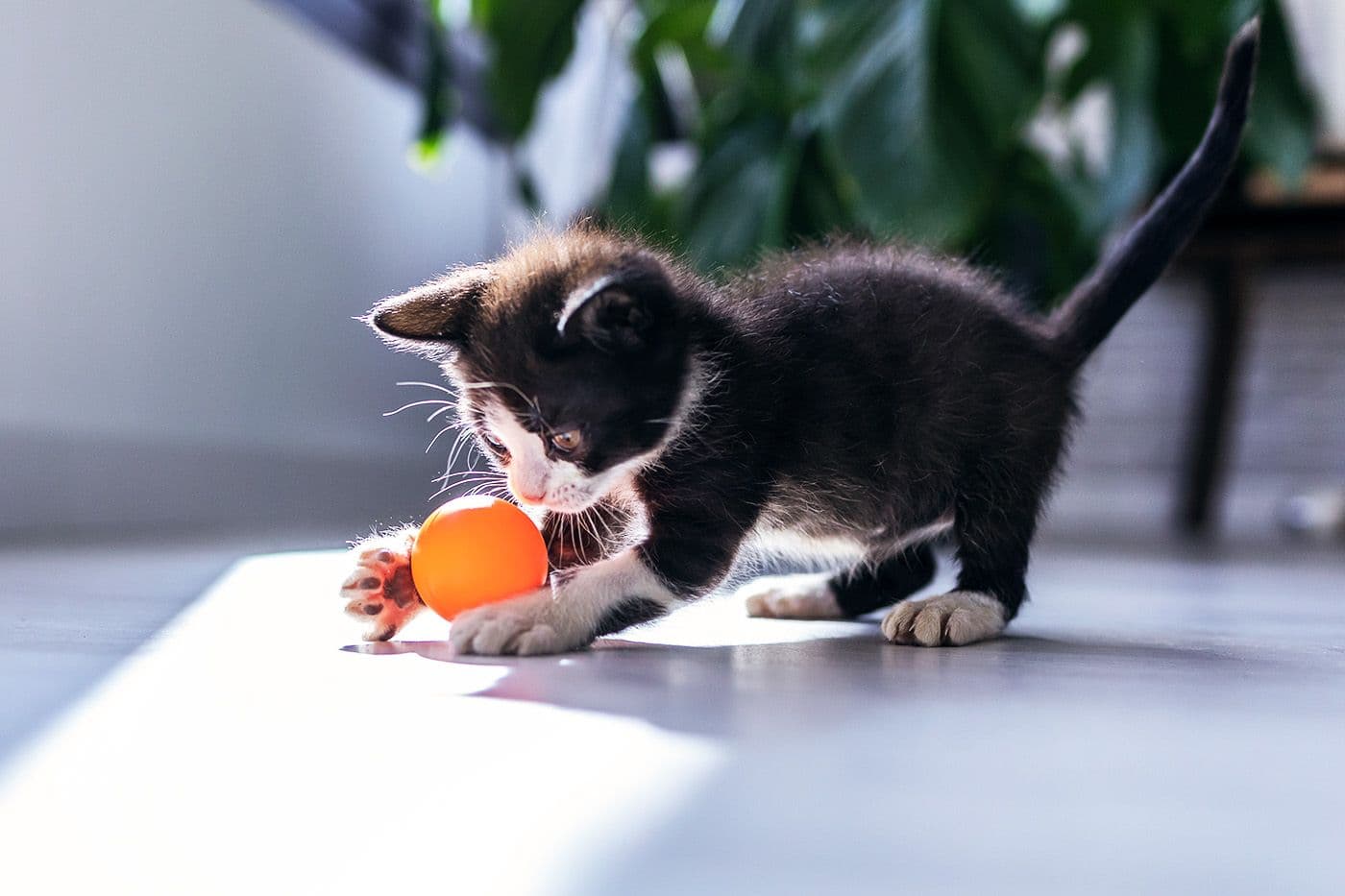
Engaging in playful activities, chasing toys, batting at strings, or playfully stalking your feet, indicates that your kitten feels secure enough to engage in normal, joyful behaviours.
Contented exhibiting relaxed body language. This includes purring, "kneading" a soft blanket or your lap, sleeping soundly out in the open (rather than perpetually hiding), and rubbing against furniture or your legs to mark his/her scent. Happy chirps and purrs replace nervous meows.