Symptom: Drooling – Why is my pet drooling?
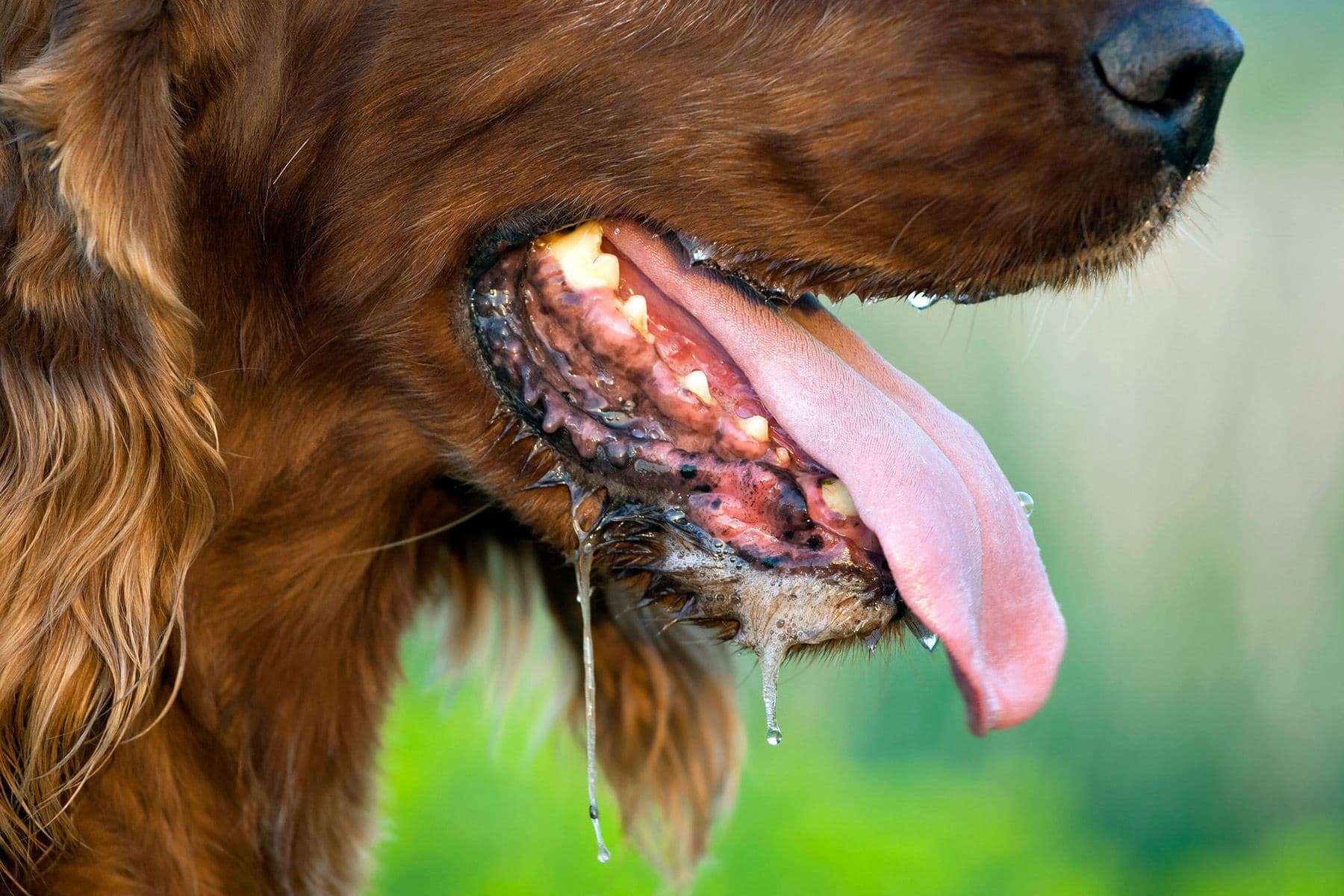
What does excessive drooling look like in pets?
An excessive flow of saliva from the mouth, often resulting in wet spots or puddles
A damp chin and facial skin, and sometimes a white, foamy consistency to the saliva
A change in saliva consistency/colour: while normal saliva should be clear, unusual drooling might appear thicker, ropier, or discoloured (yellow, green, or even blood-tinged)
Written by Dr. Mariella Roberts, Veterinary Surgeon, Animal Trust Vets CIC | Published October 2025 | Review date October 2028 | This advice is for UK pets only and is not a replacement for seeing a vet
Frequently asked questions
- Excitement or anticipation
- Motion sickness
- Stress
- Dental disease
More reading: Dental disease in cats, Dental disease in dogs
- Foreign objects
- Toxins and poisoning
- Heatstroke
- Maintain excellent oral hygiene by regularly brushing your pet's teeth and keep mouth clean
- Ensure constant access to fresh water
- Prevent access to toxins and foreign objects
- Monitor for heatstroke by ensuring your pet has access to cool
- Create a calm environment for anxiety or fear
- DON'T ignore sudden or excessive drooling
- DON'T induce vomiting without vet guidance
- DON'T offer food if your pet struggles to swallow
- DON'T engage in strenuous activity in the heat
Contact your vet immediately if your pet's drooling suddenly increases, becomes continuous, or is accompanied by other concerning symptoms like vomiting, diarrhoea, lethargy, signs of pain, or distress.
You should also call immediately if you suspect your pet has ingested a toxic substance, has a foreign object in its mouth, or might be suffering from a serious condition like heatstroke or a bloat/twisted stomach (GDV).