Animal Trust

What is Dental Disease in Dogs

Dental disease is very common in dogs and can affect the teeth, gums and other tissues that support the teeth. It can range from early gum inflammation (gingivitis) to more advanced periodontal disease, tooth fractures and dental infections. 

Dental disease can be painful, but dogs often hide signs of oral pain. Recognising the early signs and seeking veterinary advice can help prevent the condition from progressing and causing further discomfort or damage. 

Dental plaque is one of the main causes of dental disease. Plaque is a sticky film containing bacteria that forms on the surface of the teeth. If it isn't removed regularly, it can harden into tartar and contribute to inflammation and infection of the gums and the tissues that support the teeth. 

Some dogs are more prone to dental problems than others. Small and brachycephalic (short-nosed) breeds can be particularly susceptible because their mouth shape and tooth positioning can lead to crowding and make effective dental care more challenging. 

What is Dental Disease in Dogs

Dental Disease in Dogs: Symptoms, Treatment & Prevention

Dogs can hide signs of dental pain, so changes in their mouth or behaviour can be important clues. 

Signs of dental disease can include: 

  • Red, swollen or bleeding gums 

  • Yellow or brown tartar on the teeth 

  • Chipped, cracked or broken teeth 

  • Dropping food or difficulty eating 

  • Pawing or rubbing at the mouth 

You may also notice changes in your dog’s behaviour. They may become less willing to play, chew toys or have their head touched, or may show unusual irritability when their mouth or face is handled. 

Some signs, such as bad breath or changes in eating, can have causes other than dental disease. If you notice a change in your dog, speak to your vet for advice. 

Dogs can hide dental pain, so it’s important to contact your vet if you notice signs of dental disease or a change in your dog’s usual behaviour. 

Contact your vet urgently if your dog: 

  • Appears to be in significant pain 

  • Has difficulty opening or closing their mouth 

  • Is unable or unwilling to eat or drink 

  • Has significant bleeding from the mouth 

Dental disease is diagnosed through a clinical examination by a vet. They will examine your dog’s mouth and look for signs of disease affecting the teeth and gums. 

If dental treatment is needed, a more detailed assessment is carried out under general anaesthesia as part of the dental procedure. Each tooth and the surrounding gums can then be examined closely, and the findings recorded using dental charting. 

Dental X-rays may also be taken during the procedure to assess the tooth roots and the bone supporting the teeth, helping to identify disease that cannot be seen from the visible tooth surface alone. 

Treatment depends on the type and severity of dental disease and the individual needs of your dog. Your vet will recommend the most appropriate treatment based on what they find during the examination. 

Treatment may include professional dental cleaning, extraction of diseased teeth, or medication where appropriate. Home dental care can also help prevent dental disease from developing or progressing. 

Some conditions, such as advanced periodontal disease with severe bone loss around the tooth, are best treated with tooth extraction. Removing diseased teeth can relieve pain and inflammation and help restore a healthier mouth. 

In some cases, more complex dental conditions may require referral to a veterinary specialist. 

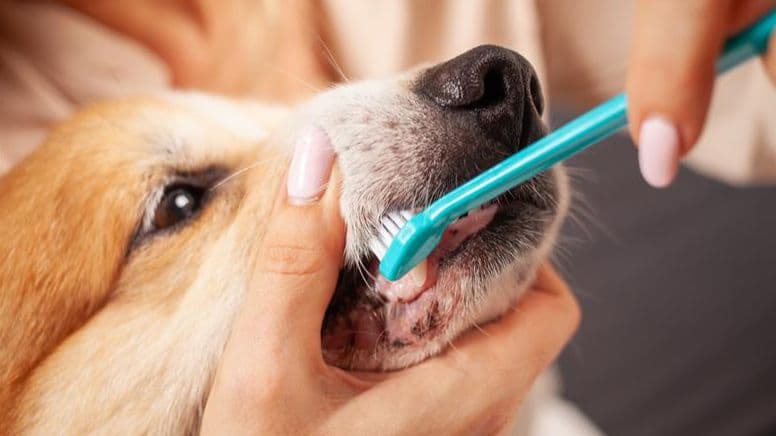
Regular dental care can help reduce the build-up of plaque and tartar and support your dog’s oral health. 

There are a range of ways to help care for your dog’s teeth at home, including tooth brushing, dental diets, chews, gels, wipes and powders. The most suitable options will depend on your individual dog. 

For more information about caring for your dog’s teeth at home, see our Dental Care at Home article. 

The outlook for dogs with dental disease is generally good when problems are identified and treated appropriately. Treatment can relieve pain, improve oral health and help prevent further damage. Regular home dental care and veterinary checks can help maintain your dog’s dental health. 

Author

Written by Gill Burkhill, Veterinary Surgeon, Animal Trust Vets CIC | Published September 2026 | Review date September 2029 | This advice is for UK pets only and is not a replacement for seeing a vet

Concerned about your pet?