
Understanding Urinary Obstruction in Cats - A Vet Emergency
What is a 'blocked cat'?
A urinary obstruction, often called a blocked bladder or 'blocked cat', occurs when the urethra (the tube that carries urine from the bladder) becomes blocked, preventing the bladder from emptying. This is a life-threatening emergency that requires immediate veterinary treatment.
Urinary obstruction is much more common in male cats because their urethra is narrower and more easily blocked. Blockages are most often caused by inflammatory debris, mucus plugs or bladder stones. Cats with feline idiopathic cystitis (FIC) are at increased risk because inflammation can contribute to urethral blockage.
Without prompt treatment, toxins build up in the bloodstream and can quickly make a cat seriously ill.
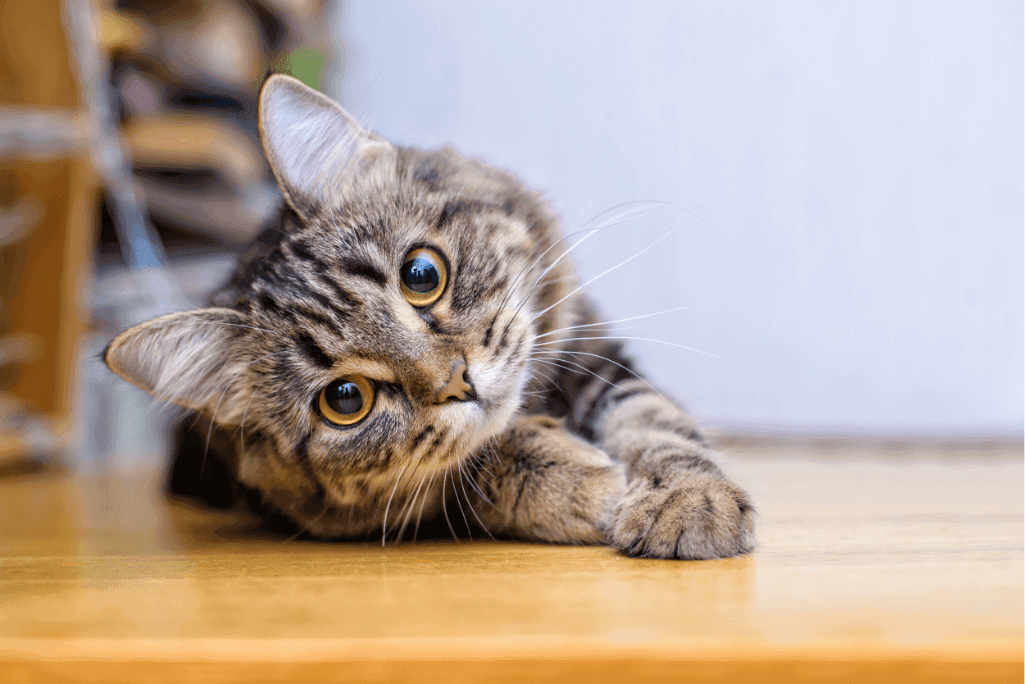
Urinary Obstruction in Cats - Symptoms, Treatment, Prevention
The signs of a urinary obstruction can develop quickly and become severe if the bladder cannot be emptied.
Common symptoms include:
Straining to urinate with little or no urine produced
Frequent trips to the litter tray
Blood in the urine
Crying or showing signs of pain
Affected cats can quickly become very unwell and may collapse if left untreated.
A urinary obstruction is a veterinary emergency.
Contact your vet immediately if your cat is straining to urinate, producing little or no urine, or showing signs of pain when trying to urinate. Even if you are unsure whether your cat is blocked, they should be examined as soon as possible. Do not wait to see if your cat improves, as a urinary obstruction is a life-threatening emergency.
Prompt treatment gives the best chance of a successful recovery.
Your vet will examine your cat and discuss their symptoms and medical history. A physical examination, including feeling the bladder, can help determine whether a urinary obstruction is present.
Blood tests are commonly recommended to assess your cat's overall health and check for complications caused by the blockage. Urine tests and diagnostic imaging, such as X-rays or ultrasound, may also be used to help identify the underlying cause.
Together, these tests help confirm the diagnosis and guide treatment.
Urinary obstruction requires emergency treatment to relieve the blockage and stabilise your cat.
Your cat may first need intravenous fluids, pain relief and medication to treat the effects of the blockage before the obstruction can be safely relieved.
Once your cat is stable, they will usually be anaesthetised so that a urinary catheter can be passed into the urethra to relieve the blockage and empty the bladder.
Some cats require surgery if the blockage cannot be relieved or if it keeps coming back.
Most cats will need to stay in hospital for treatment and monitoring before they are well enough to go home.
Although urinary obstruction cannot always be prevented, you can help reduce the risk by:
Encouraging your cat to drink more water, for example by providing fresh water in several locations or using a water fountain.
Feeding a diet recommended by your vet, particularly if your cat has had urinary problems before.
Helping your cat maintain a healthy weight.
Reducing stress by providing a calm, enriched environment with plenty of places to rest, hide and play.
Most cats recover well from a urinary obstruction when they receive prompt treatment. However, some cats are at risk of developing another blockage, particularly if the underlying cause is not addressed.
Without treatment, a urinary obstruction can quickly become life-threatening. If you think your cat may be unable to urinate, contact your vet immediately.
Written by Gillian Burkhill, Veterinary Surgeon, Animal Trust Vets CIC | Published August 2026 | Review date August 2029 | This advice is for UK pets only and is not a replacement for seeing a vet