
Feline Parvovirus (Panleukopenia) is highly contagious virus that can cause severe and potentially fatal disease, particularly in kittens. It can cause vomiting, diarrhoea, fever, dehydration and loss of appetite.
Animal Trust
Why is it important to vaccinate my cat?
Vaccination is one of the best ways to protect your cat from serious and potentially life-threatening infectious diseases. Vaccines prepare your cat’s immune system to recognise and fight specific infections, reducing the risk of serious illness if they are exposed.
Vaccination can also help reduce the spread of infectious diseases between cats. Your vet will recommend a vaccination programme based on your cat’s age, health, lifestyle and risk of exposure. This usually starts with a primary vaccination course when your cat is a kitten, followed by booster vaccinations to maintain protection.
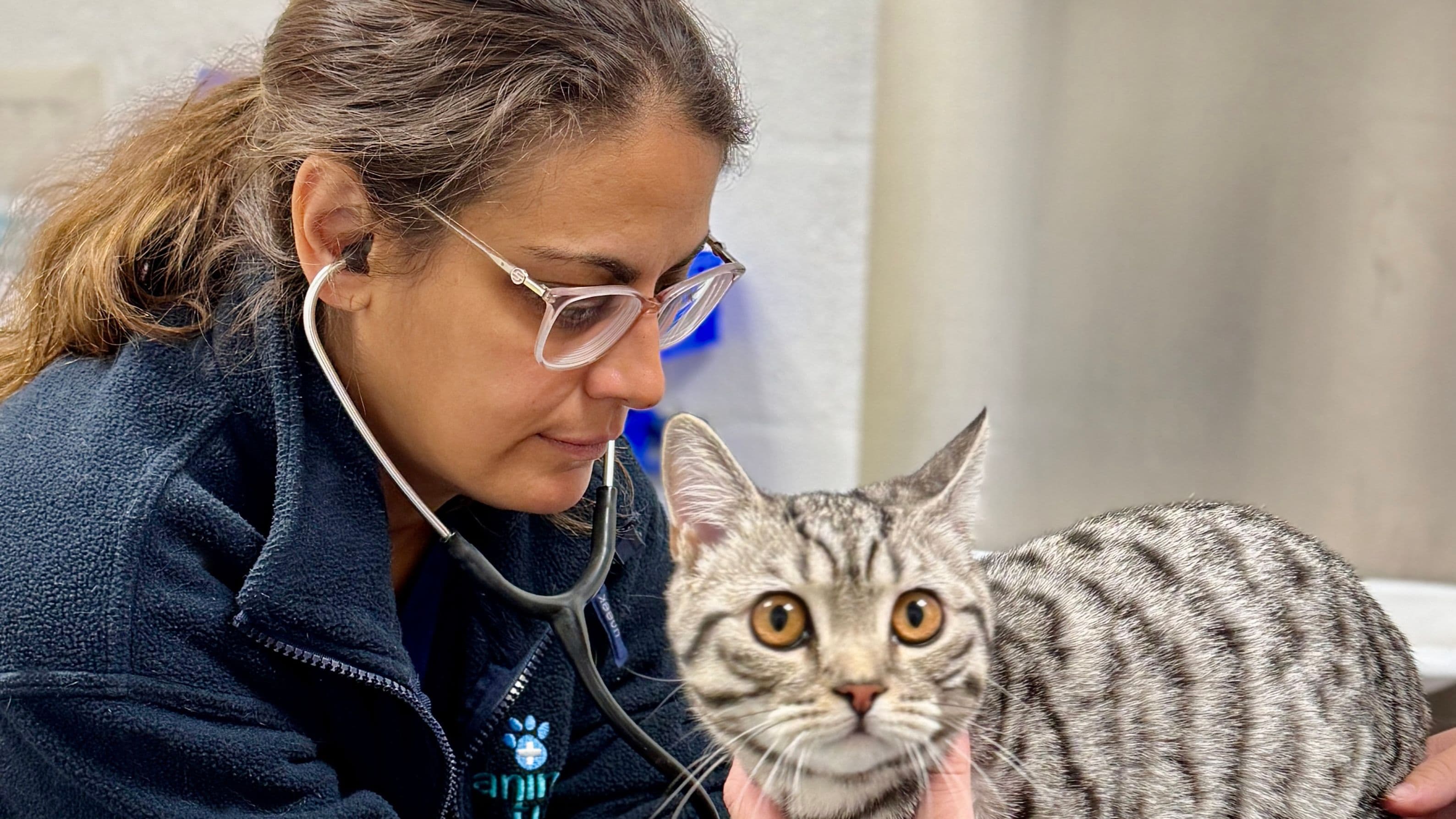
Which vaccinations does my cat need? Core vaccines for cats
Feline Herpesvirus and Feline Calicivirus, these viruses are major causes of cat flu. They can cause sneezing, nasal discharge, fever, mouth ulcers and sore or ulcerated eyes. Some cats can develop longer-term problems following infection.
Feline Leukaemia Virus (FeLV) is spread mainly through close contact between cats and can cause serious illness, including anaemia, immune system problems and certain cancers. Vaccination is particularly important for cats that have access to the outdoors or may come into contact with other cats.
Rabies vaccination may be required when travelling with your cat to certain countries. Your vet can advise you on the vaccination and other requirements for travelling with your cat.
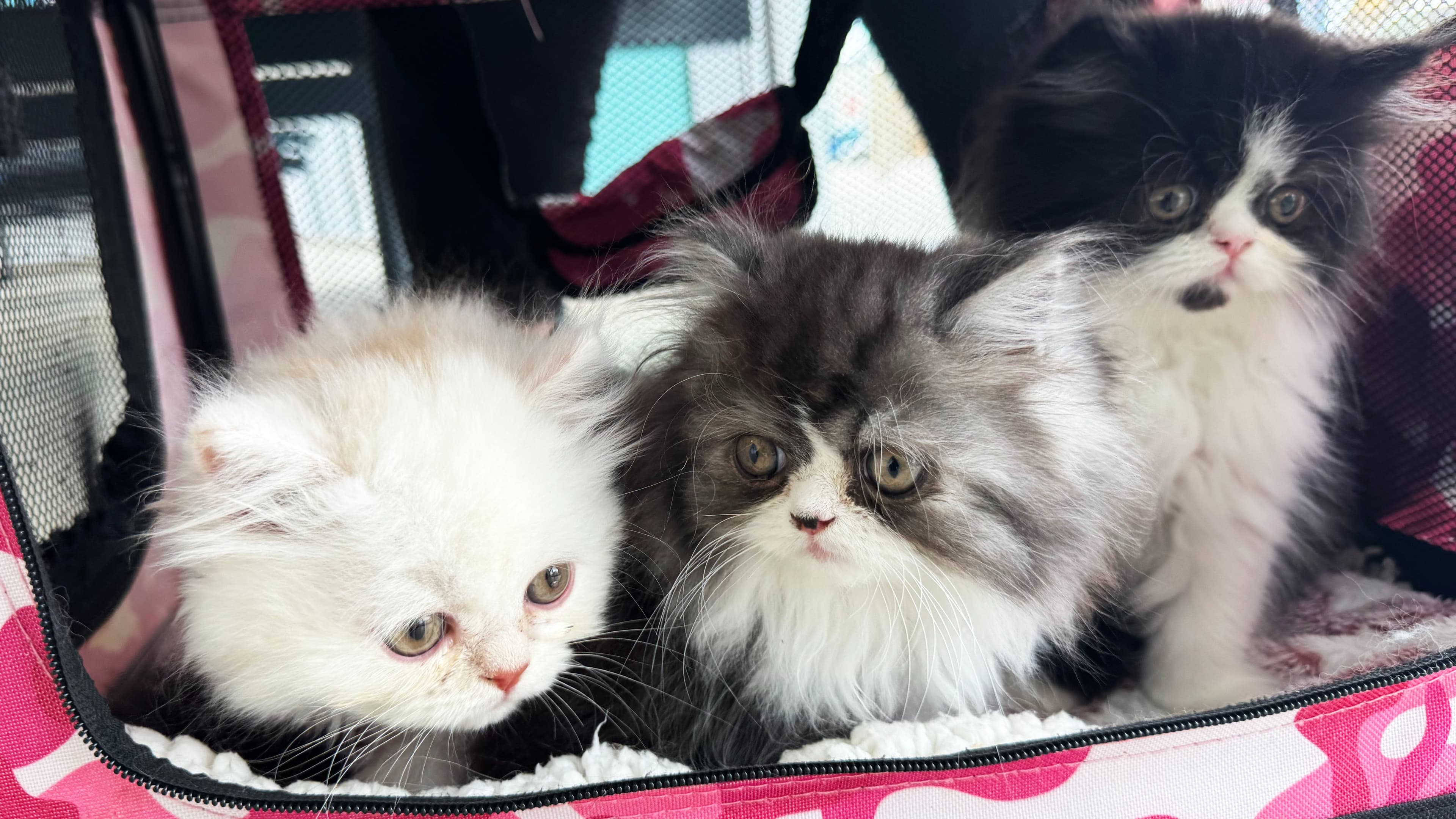
Vaccination Schedule for Cats and Kittens
Vaccination Schedule for Kittens
First vaccination from 9 weeks of age
A second dose follows 3–4 weeks later
A booster at 12 months helps maintain protection
Then, annual booster vaccinations are recommended
Vaccination Schedule for Adult Cats
Follow-up boosters will depend on which vaccines your cat received as a kitten
Feline herpesvirus, feline calicivirus and feline parvovirus: yearly
FeLV: your vet will advise you on the appropriate booster schedule
If your cat has missed vaccinations or you are unsure of their vaccination history, your vet can advise you on the most appropriate vaccination schedule.
Potential Side Effects
Vaccinations are generally safe, but like any medication, they can have side effects. Most are mild and short-lived. Common side effects can include:
Mild fever
Soreness at the injection site
A small swelling at the injection site
These effects usually settle within a day or two. A small swelling at the injection site can take up to two weeks to disappear.
In rare cases, cats may have a more serious reaction to the vaccine. If your cat develops facial swelling, difficulty breathing, repeated vomiting or collapses, contact your vet immediately.
Protecting Unvaccinated Cats and Kittens
If your kitten or cat has not been vaccinated, or has not completed their primary vaccination course, they should be kept indoors and away from other cats to reduce the risk of infection.
If your cat has missed vaccinations or you are unsure of their vaccination history, your vet can advise you on the best vaccination schedule to protect them.
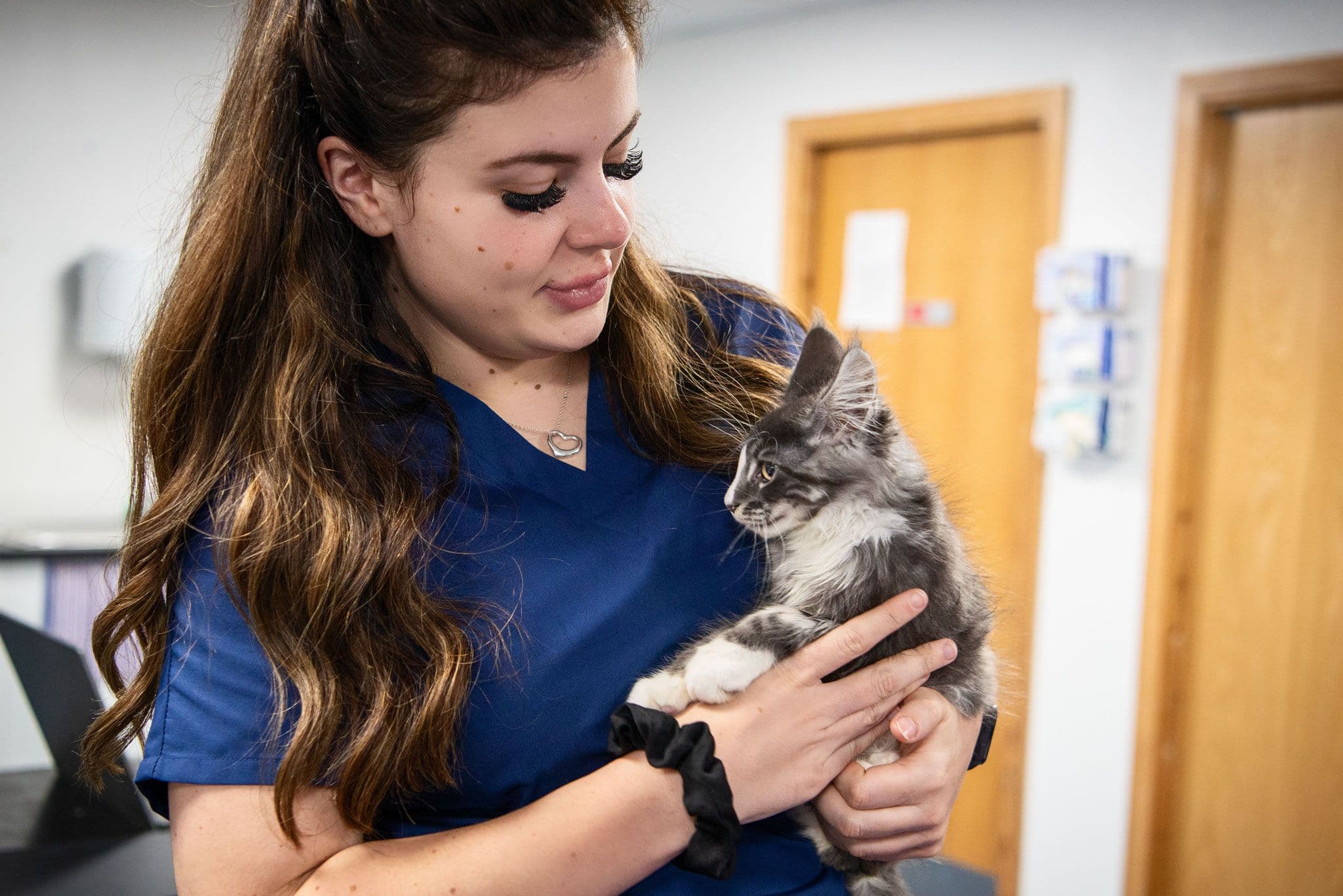
What to expect at a cat vaccination appointment
Full health check by the vet
Chat about your cat’s lifestyle, health, and any concerns you have
Vaccination given via a quick injection
Advice on when your cat’s next vaccination is due
How much do cat vaccinations cost?
Our current cat vaccination prices are:
Full primary vaccination course: £69
Booster vaccination: £52.50
Author
Written by Gillian Burkhill, Veterinary Surgeon, Animal Trust Vets CIC | Published September 2026 | Review date September 2029 | This advice is for UK pets only and is not a replacement for seeing a vet