Animal Trust

What is Leptospirosis

Leptospirosis is a bacterial infection that can cause serious illness in dogs by damaging organs such as the kidneys and liver. 

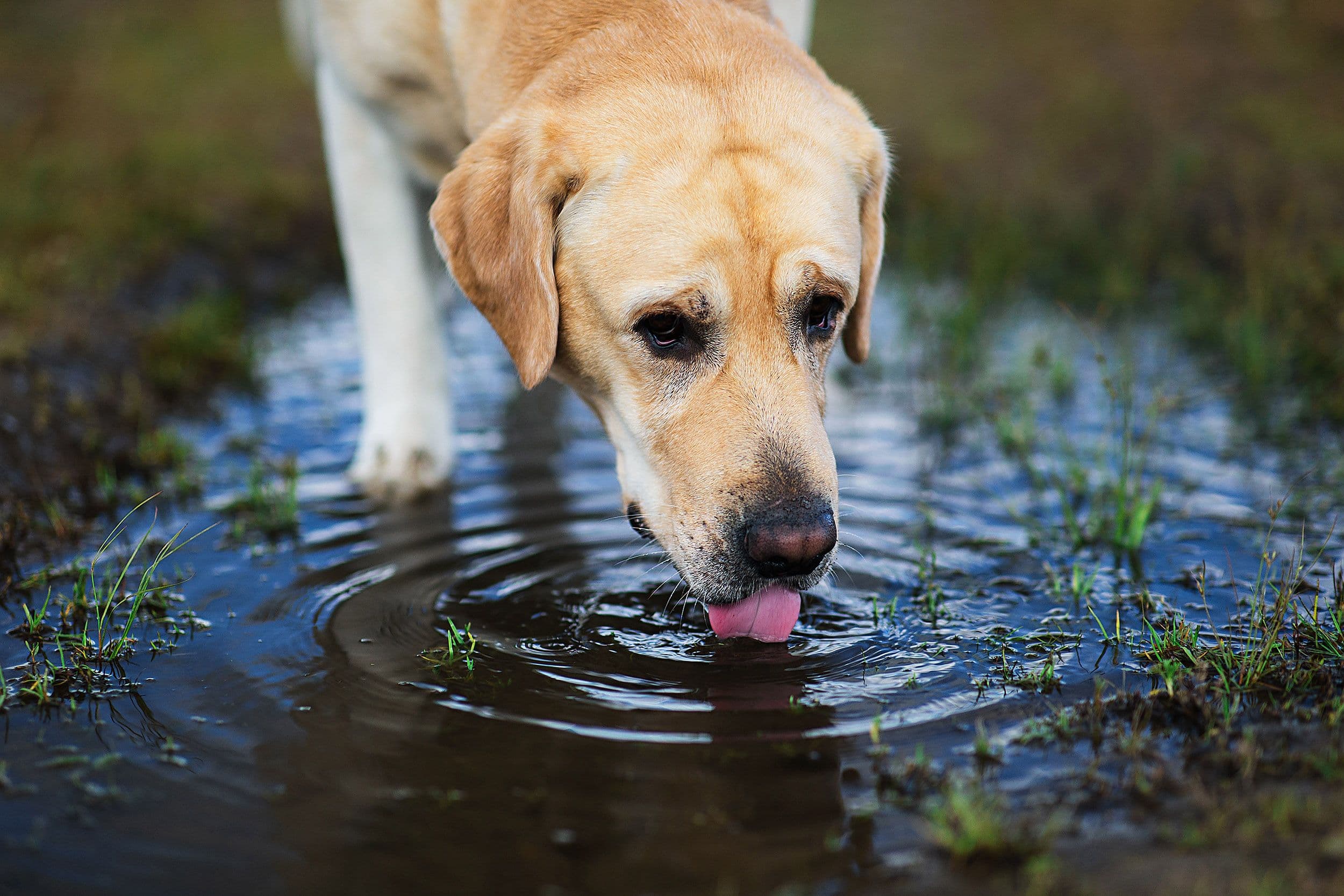
Dogs can become infected through contact with urine from infected animals, including rodents, farm animals and other dogs, or through water or soil contaminated with that urine. 

Leptospirosis can also infect people, so careful hygiene is important when caring for an affected dog. 

What is Leptospirosis

Leptospirosis in Dogs: Symptoms, Treatment and Prevention

Symptoms vary and may include: 

  • Unusual tiredness or weakness 

  • Reduced appetite 

  • Vomiting or diarrhoea 

  • Fever and muscle pain, sometimes causing stiffness or reluctance to move 

  • Changes in drinking or urination: some dogs drink and pee more than usual, while dogs with severe kidney damage may pass very little urine or none at all 

  • Yellowing of the gums, whites of the eyes or skin (jaundice) 

Some dogs also develop coughing or difficulty breathing. Illness can progress quickly, and not every dog shows all these signs. 

Contact your vet promptly if your dog develops symptoms, particularly vomiting, marked tiredness, changes in thirst or urination, or yellow gums or eyes. 

Seek urgent care if your dog has difficulty breathing, collapses or stops passing urine. 

Seek advice regardless of vaccination status. Tell your vet about possible exposure to rodents, farm animals or contaminated water, and call before arriving so the practice can take appropriate precautions. 

Your vet will examine your dog and ask about their symptoms, vaccination history and possible exposure to infection. 

Blood and urine tests help assess kidney and liver function and look for other changes. Specific tests may be used to detect Leptospira bacteria or antibodies against them. 

Results need careful interpretation, particularly early in the illness or after vaccination, and repeat samples may be needed. If leptospirosis is suspected, treatment will usually begin before confirmation. 

Leptospirosis requires prompt treatment with antibiotics to tackle the infection. Many dogs need hospitalisation for intravenous fluids and supportive care, including medication to control vomiting and relieve pain. 

Treatment is tailored to the effects of the infection, particularly on the kidneys and liver. Your vet will monitor blood results, urine production and fluid balance, adjusting treatment as your dog recovers. 

Infected dogs can pass bacteria in their urine, including during recovery. Avoid direct contact with urine, wear disposable gloves when cleaning up accidents or handling soiled bedding, and wash your hands afterwards. Your vet will advise how to clean contaminated areas and how long precautions are needed. 

Vaccination provides effective protection against leptospirosis and is recommended for dogs regardless of lifestyle. An initial course followed by annual boosters is needed to maintain protection. 

Reduce exposure by discouraging contact with rodents and keeping your dog away from potentially contaminated standing water, floodwater and animal urine. Rodent control and secure storage of food can help reduce contamination around the home. 

Dogs can be exposed in both urban and rural areas, so vaccination is recommended regardless of lifestyle. 

Leptospirosis is a serious, potentially fatal disease. Some dogs recover with prompt treatment, but severely affected dogs may die despite treatment or need to be put to sleep to prevent further suffering. 

Dogs that survive may be left with lasting kidney damage and need follow-up tests to monitor their recovery. 

Author

Written by Gillian Burkhill, Veterinary Surgeon, Animal Trust Vets CIC | Published January 2025 | Review date January 2027 | This advice is for UK pets only and is not a replacement for seeing a vet