A Guide to What to Feed Your Rabbit
Feeding Your Rabbit the Right Diet
A healthy rabbit diet is based on plenty of hay or grass, alongside a variety of leafy greens and a small amount of rabbit pellets. Getting the balance right helps keep their teeth and digestive system healthy.
Hay and grass come first
Give your rabbit unlimited access to good-quality feeding hay or fresh grass. This should make up most of their diet, providing fibre for healthy digestion and helping wear down their continuously growing teeth. Choose hay that is dry, sweet-smelling and free from dust and mould. Replenish it regularly so there is always plenty available to eat. Introduce access to fresh grass gradually if your rabbit is not used to it. Never feed lawnmower clippings.

Rabbit Feeding: A Guide to Leafy Greens, Pellets and Treats
Offer a variety of leafy greens and herbs
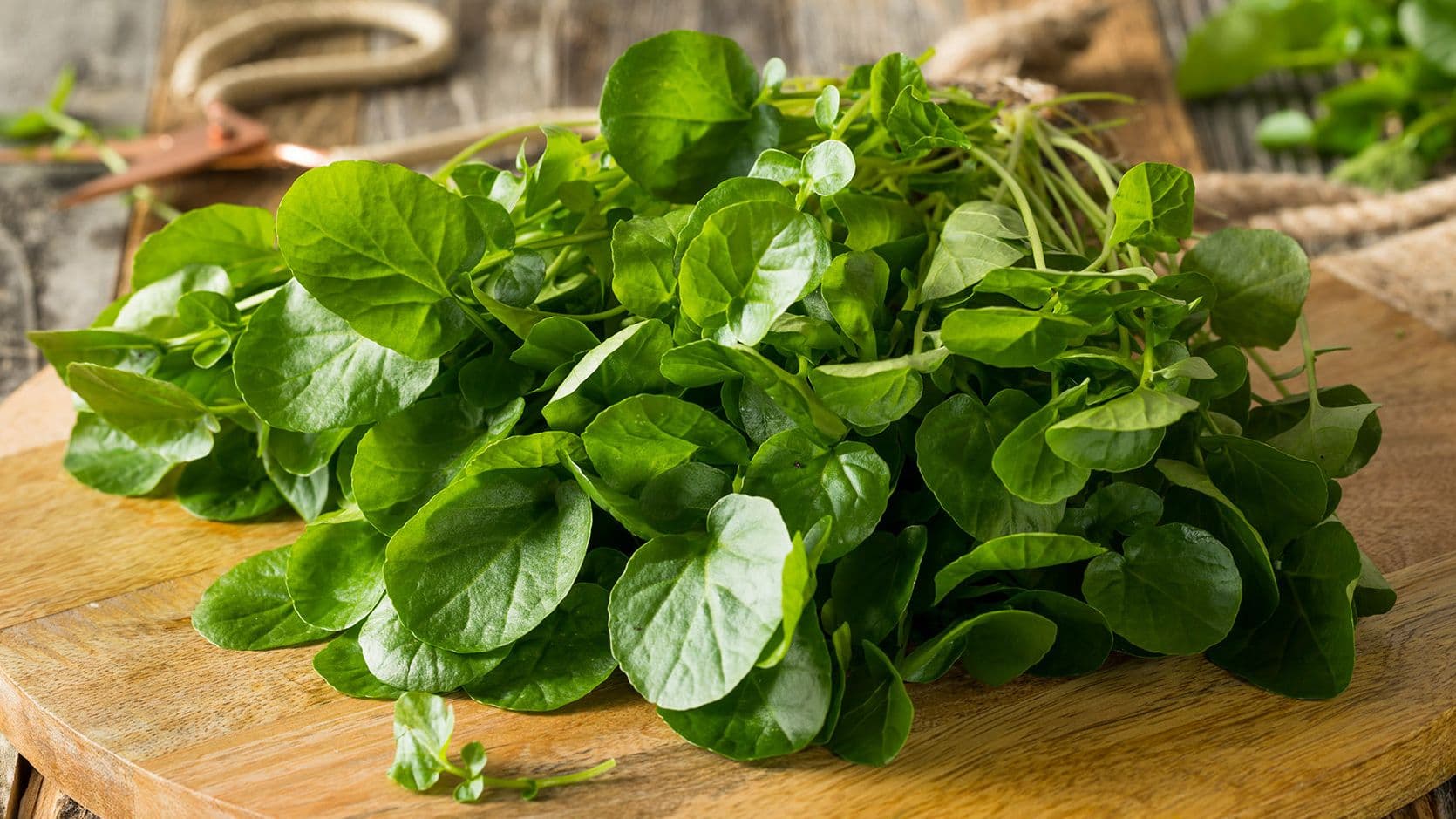
Offer a small selection of washed leafy greens and herbs each day, alongside unlimited hay or grass. Suitable choices include romaine lettuce, rocket, spring greens, watercress, carrot tops, basil, coriander, dill and mint.
Vary the selection through the week and introduce unfamiliar foods one at a time in small amounts. Watch for changes in appetite or droppings.
Leafy greens should make up a smaller part of the diet, not replace hay or grass. For more examples, see the RWAF guide to safe vegetables and herbs.
Keep pellets to a small, measured portion
Give a small daily portion of high-fibre rabbit pellets or nuggets. For healthy adult rabbits, RWAF suggests around 15g per kilogram of body weight each day. Weigh the portion rather than filling the bowl.
Pellets supplement the diet and must not replace hay or grass. Your veterinary team can advise on suitable amounts for young, underweight or unwell rabbits.
Scatter the pellets or hide them among hay to encourage foraging.
Choose treats carefully
Leafy herbs or a few pellets taken from your rabbit’s daily allowance can be used as rewards. If offering fruit or carrot root, keep the portion tiny, roughly a 1cm cube. These should not replace hay, grass or leafy greens.
Rabbit Diet Safety: Foods to Avoid, Fresh Water and Dietary Changes
Foods to avoid giving your rabbit
Avoid muesli-style mixes. Rabbits can pick out their favourite ingredients and leave others, resulting in an unbalanced diet.
Do not feed chocolate, biscuits, dairy products or sugary rabbit treats such as yoghurt drops and sweetened cereal sticks. Avoid potatoes and potato foliage, rhubarb, tomato leaves and stems, and plants you cannot confidently identify as rabbit-safe.
If you think your rabbit has eaten something poisonous, contact your veterinary practice promptly.
Provide fresh water at all times
Offer fresh drinking water in a sturdy bowl. Drinking from a bowl allows for a more natural drinking position than a bottle. You can provide a bottle as a backup.
Change the water daily, clean containers regularly and check that water remains available throughout the day. If using a bottle, check that the spout is working. In cold weather, check that the water has not frozen.
Make dietary changes gradually
Introduce new foods slowly, one at a time, while monitoring your rabbit’s appetite and droppings. Ask your veterinary team for advice if you need to make a substantial change, such as moving from muesli to pellets.
If your rabbit eats less or passes fewer or smaller droppings, contact your vet promptly. If they stop eating or passing droppings, seek veterinary help immediately. Do not wait until the next day.
Written by Gillian Burkhill, Veterinary Surgeon, Animal Trust Vets CIC | Published October 2026 | Review date October 2029 | This advice is for UK pets only and is not a replacement for seeing a vet