
Animal Trust

Winter Pet Care: How to Keep Your Pet Safe and Warm

Cold weather and shorter days can mean a few changes to your pet’s routine. Whether you have a dog, cat, rabbit or other small pet, these winter care tips will help you keep them warm, active and safe throughout the season. Very young, older and unwell pets, and those with thin coats, may need extra protection from the cold.

Winter Pet Care: How to Keep Your Pet Safe and Warm

Caring for Your Pet in Winter: Tips & Advice

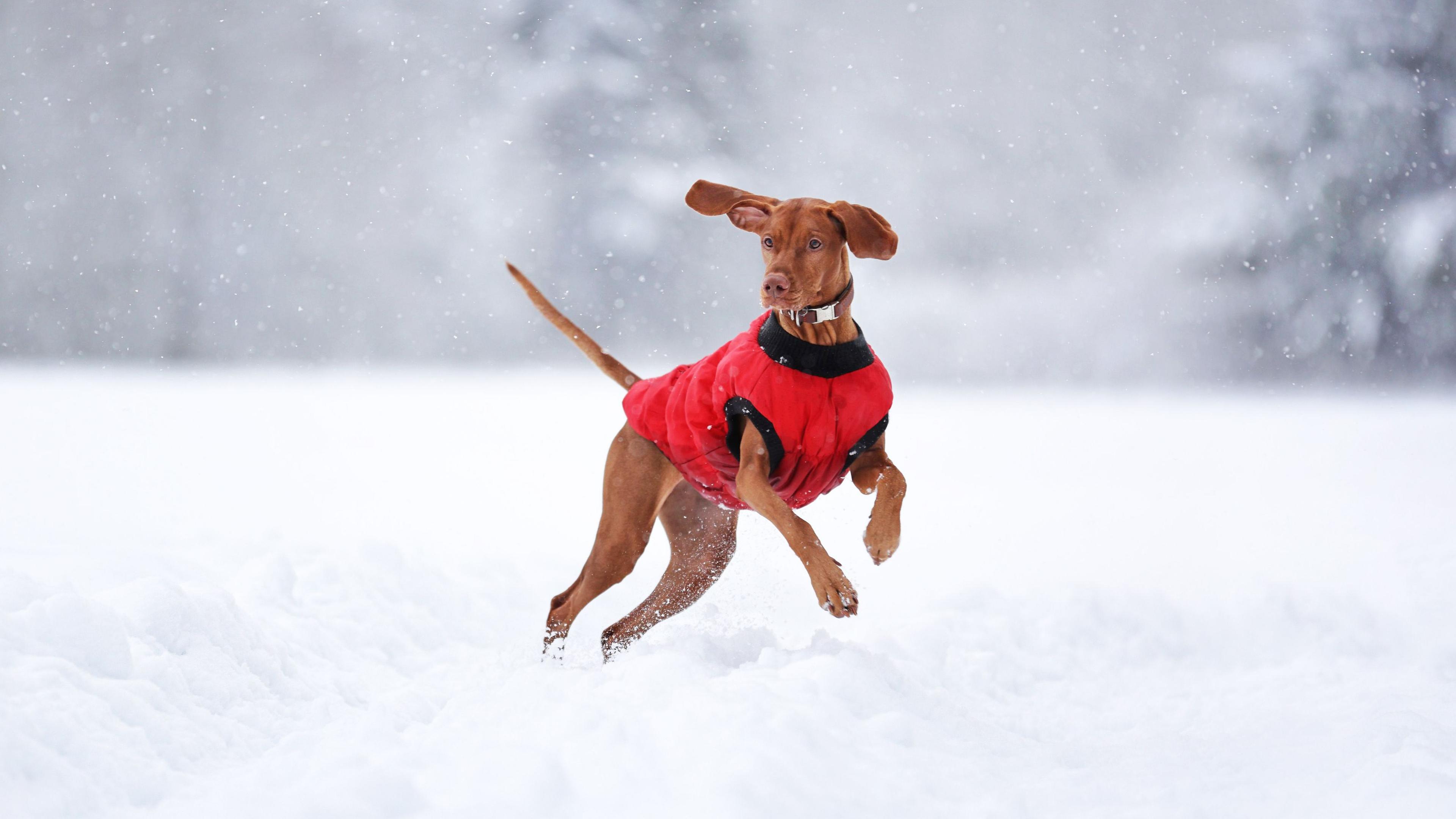
Most dogs still enjoy regular walks in winter but adapt the length and pace to the weather and your dog’s needs. Puppies, older dogs and those with thin coats or health conditions may need extra protection from the cold. A well-fitting coat can help keep them comfortable, provided it allows them to move freely. After wet walks, remove any wet clothing and gently towel-dry your dog. When outdoor exercise is limited, indoor games and short training sessions can help keep them active and entertained. 

Give your cat warm, dry resting places away from draughts, and encourage activity with toys, scratching posts and short play sessions. Keep them indoors overnight, particularly during very cold weather, and provide a litter tray even if they usually toilet outside. If your cat goes outdoors, make sure they can easily return home and check that their cat flap is working. A weatherproof garden shelter can provide extra protection but should not replace access to a warm indoor space. 

Outdoor rabbits need a warm, dry, draught-free sleeping area, protected from wind and rain. Insulate their accommodation and provide plenty of soft, dust-extracted straw for bedding, alongside fresh hay to eat. Remove soiled bedding regularly and keep their exercise area accessible throughout winter. Check their drinking water regularly to make sure it hasn’t frozen and replace frozen water promptly. If extreme weather means bringing rabbits indoors, avoid sudden temperature changes and make sure their temporary accommodation is not too warm. 

Guinea pigs are sensitive to cold and damp. When temperatures fall below 15°C, move them indoors into dry, well-ventilated accommodation away from draughts, with plenty of suitable bedding and room to exercise. Avoid sudden temperature changes. 

Keep your hamster’s room comfortably warm and away from draughts and provide plenty of suitable nesting material. If hamsters become too cold, they can enter a dangerous state called torpor. If your hamster feels cold, is unusually inactive or is difficult to wake, contact your vet urgently. 

Shorter days and poor weather can reduce visibility on winter walks. Use reflective or illuminated equipment for your dog and reflective clothing for yourself so you can both be seen. 

Plan your route with daylight hours in mind and take a torch if you may be out after dark. Check that your dog’s identification tag is readable and that their microchip is registered with your current contact details. 

Salt and grit can irritate your dog’s paws and may be harmful if licked off. After walks, rinse away any residue with lukewarm water and dry their paws carefully, including between the toes. 

Check for cuts, soreness and trapped snow or ice. Gently melt ice balls with lukewarm water rather than pulling them out. Contact your vet if your dog is limping, has a wound or keeps licking a sore area. 

Any dog can slip on ice, but dogs with arthritis or mobility problems may find slippery surfaces particularly difficult. Choose routes with good footing, walk slowly and avoid icy patches wherever possible. A well-fitting harness can help you support your dog if needed. 

Keep your dog on a lead near frozen ponds, lakes and rivers. Ice may break under their weight, putting them at risk of falling into dangerously cold water. 

Shivering, unusual drowsiness, weakness or collapse can be signs of hypothermia. Move your pet somewhere warm and dry, gently dry them if wet and wrap them in a blanket. Contact your vet immediately and avoid putting anything hot directly against their skin. 

Cats may shelter under cars or climb into engine compartments for warmth. Before starting your car, check underneath and tap the bonnet to alert any hidden visitors. If you hear or spot a cat, make sure they are safely clear before driving away. 

A few changes to your pet’s routine can help them stay warm, active and safe throughout winter. If you have any questions about caring for your pet in colder weather, contact your vet. 

Author

Written by Gillian Burkhill, Veterinary Surgeon, Animal Trust Vets CIC | Published October 2026 | Review date October 2029 | This advice is for UK pets only and is not a replacement for seeing a vet

Concerned about your pet?