Animal Trust

Are Acorns and Conkers Poisonous to Dogs? When They Can Be Dangerous

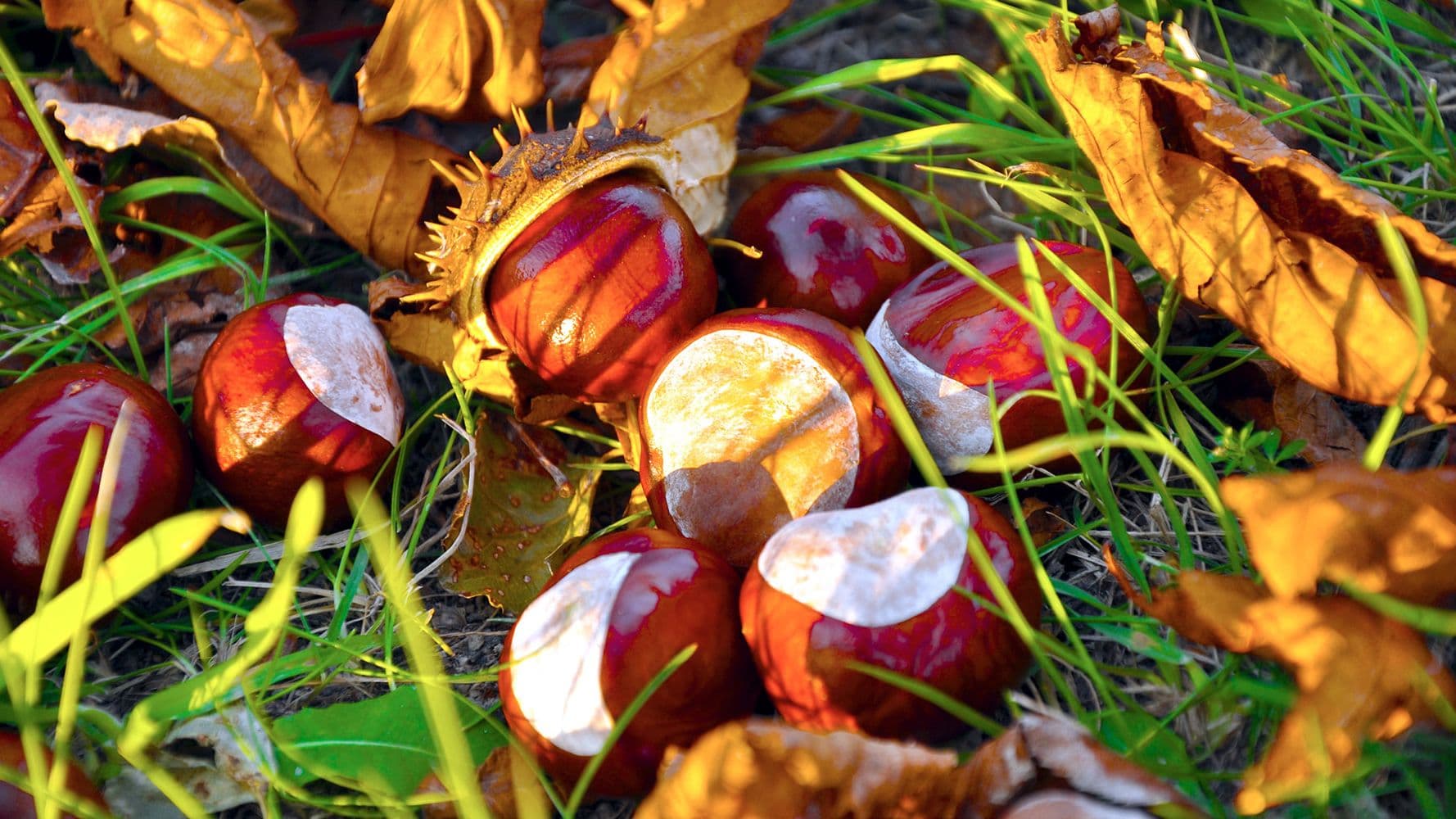
Acorns and conkers are common sights during autumn walks, and many dogs will investigate or eat them if given the opportunity. Both can cause gastrointestinal illness and, if swallowed, may present a risk of gastrointestinal obstruction. While serious poisoning is uncommon, eating larger quantities can result in more significant illness. 

Are Acorns and Conkers Poisonous to Dogs? When They Can Be Dangerous
Why are Acorns and Conkers Dangerous to Dogs?

Why are Acorns and Conkers Dangerous to Dogs?

Acorns and conkers can irritate the gastrointestinal tract when eaten, causing signs such as vomiting, diarrhoea, abdominal discomfort and lethargy. 

An acorn or conker can also cause gastrointestinal obstruction if it is swallowed and becomes lodged in the stomach or intestines. This risk is particularly relevant in dogs that swallow objects whole rather than chewing them. 

Acorns and Conkers Poisoning: Symptoms & Prevention

Signs following acorn or conker ingestion are usually gastrointestinal. These may include: 

  • Abdominal discomfort 

If an obstruction develops, signs may become more severe and can include repeated vomiting, abdominal pain and an inability to keep food or water down. 

If your dog may have eaten acorns or conkers and develops any signs of illness, contact your vet for advice. 

If you see your dog eat an acorn or conker, or suspect that they may have done so, contact your vet for advice. The level of risk will depend on how much was eaten, whether it was swallowed whole and whether your dog is showing any signs of illness. 

If possible, let your vet know whether your dog ate an acorn or conker and approximately how many were eaten. This will help them assess the situation and advise whether your dog needs to be examined. 

The risk of acorn and conker ingestion can be reduced by preventing access to fallen nuts during autumn. 

  • Check gardens regularly and remove fallen acorns and conkers. 

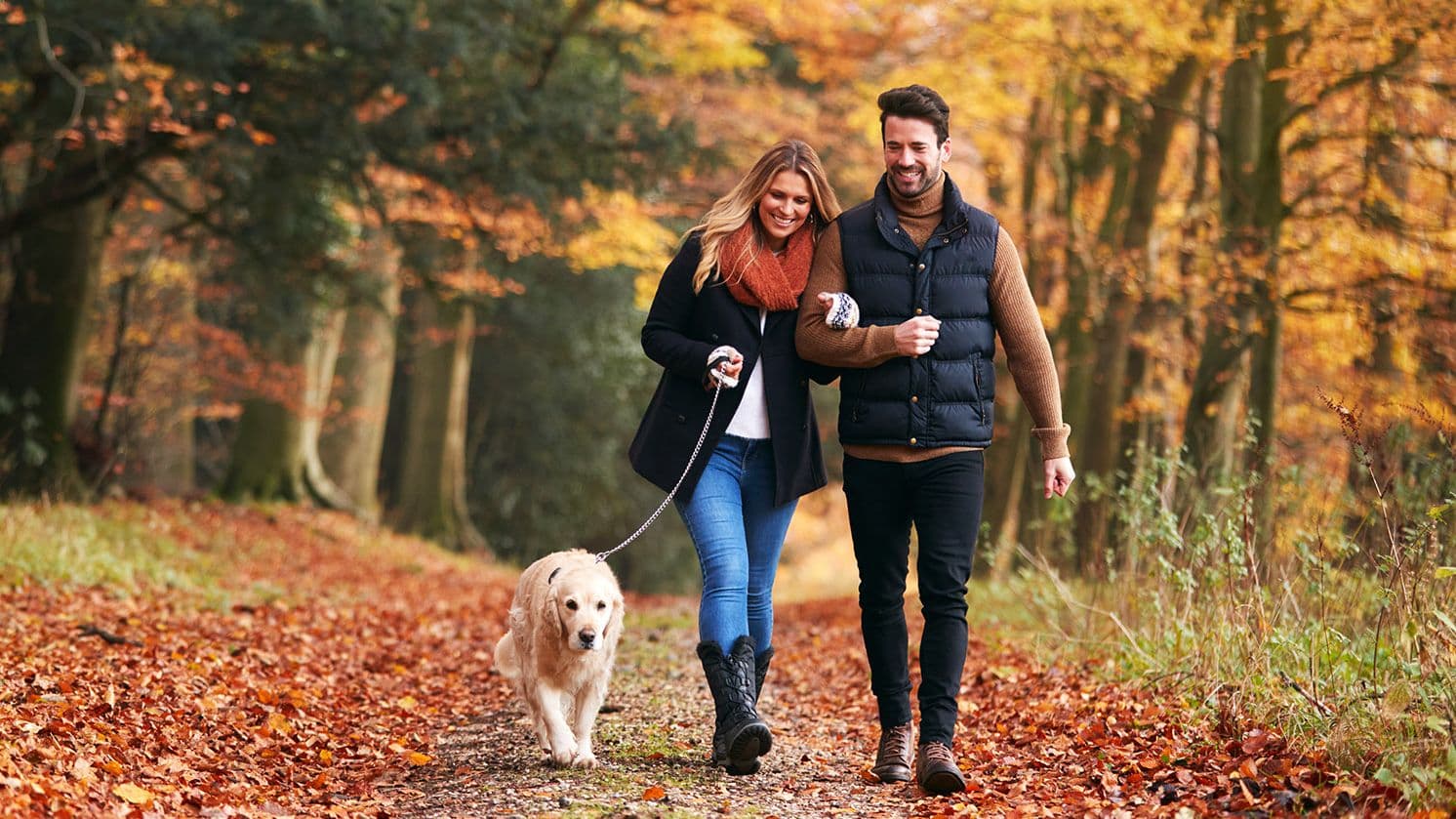
  • Keep dogs on a lead in areas where there are large numbers of fallen acorns or conkers if they are prone to scavenging. 

  • Discourage scavenging and reinforce a reliable 'leave it' command. 

  • Take particular care with dogs that regularly pick up or swallow objects they find outdoors. 

Author

Written by Gillian Burkhill, Veterinary Surgeon, Animal Trust Vets CIC | Published September 2026 | Review date September 2029 | This advice is for UK pets only and is not a replacement for seeing a vet

References 
Veterinary Poisons Information Service (VPIS):
VPIS – Conkers and acorns, VPIS – Oak and acorns (Quercus species) 

Concerned about your pet?