Cataracts in Cats and Dogs
Why are my pet's eyes cloudy?
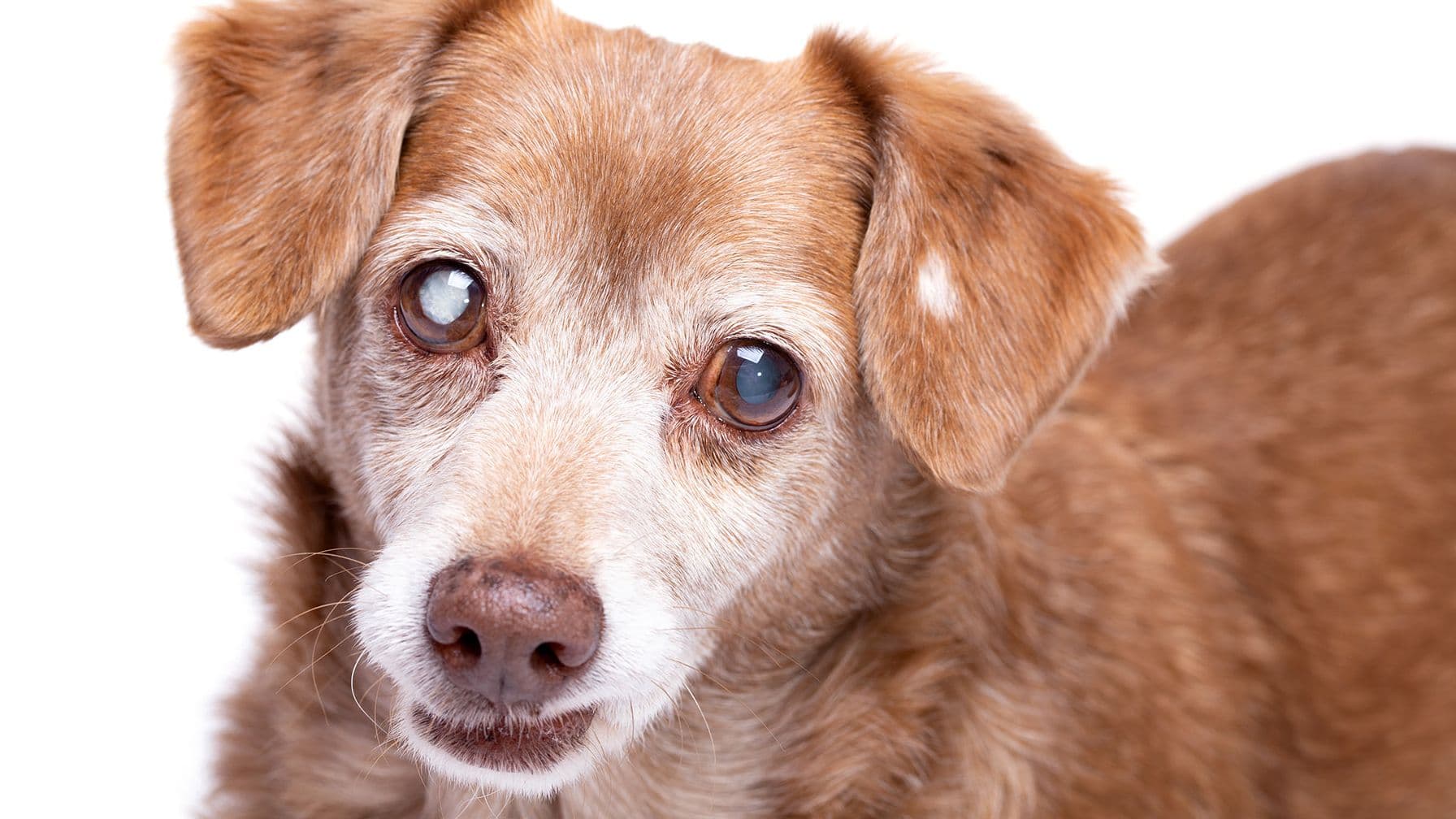
A cataract is a cloudy area that develops within the lens of the eye. The lens is normally transparent and helps focus light onto the retina, allowing clear vision. As a cataract develops, it prevents light from passing through the lens normally, which can lead to blurred vision or blindness.
Cataracts are much more common in dogs than in cats. In dogs, cataracts are often inherited, whereas inherited cataracts are much less common in cats. Cataracts may also develop because of ageing, inflammation within the eye (uveitis), injury or diseases such as diabetes. Some cataracts remain small and have little effect on vision, while others progress and significantly impair sight. Some cataracts develop slowly over months or years, while others can progress much more rapidly.
Not all cloudy eyes are caused by cataracts. Older pets commonly develop nuclear (lenticular) sclerosis, a normal ageing change that can look similar but usually has much less effect on vision.
Early diagnosis is important because not all cloudy eyes are caused by cataracts. Your vet can determine the underlying cause and discuss the most appropriate treatment options to help preserve your pet's vision and eye health.
Cataracts in Cats and Dogs: Symptoms, Treatment and Prevention
Pets with cataracts may show a range of signs, including:
- A cloudy, white or grey appearance to one or both eyes.
- Reduced vision or difficulty seeing.
- Bumping into objects or appearing less confident when moving around.
- Changes in behaviour due to reduced vision.
- In some cases, no obvious signs are seen if the cataract is small or in its early stages.
Contact your vet if you notice a cloudy appearance in one or both of your pet's eyes, changes in their vision, or if they seem to be bumping into objects or becoming less confident when moving around. Even if your pet does not appear to be in discomfort, changes to the eyes should always be examined by a vet.
Early diagnosis is important because not all cloudy eyes are caused by cataracts. Prompt assessment can help identify the underlying cause, determine the most appropriate treatment and, where appropriate, allow early referral for cataract surgery before complications develop.
Your vet may recommend:
- A thorough examination of your pet's eyes and vision.
- An examination using an ophthalmoscope or other specialised equipment to assess the lens and other structures within the eye.
- Tests to identify any underlying conditions, such as diabetes or inflammation within the eye (uveitis).
- Referral to a veterinary ophthalmologist if cataract surgery is being considered.
- Additional tests before surgery, such as ocular ultrasound or electroretinography (ERG), to assess the health of the eye and determine whether surgery is likely to be successful.
Treatment will depend on the cause, severity and effect of the cataract on your pet's vision, and may include:
- Monitoring if the cataract is small, stable and not significantly affecting vision.
- Treatment of any underlying condition, such as diabetes or inflammation within the eye (uveitis).
- Medication to manage inflammation or other complications, where appropriate.
- Referral to a veterinary ophthalmologist to assess whether cataract surgery is suitable.
- Cataract surgery to remove the affected lens and restore vision in selected cases. There are currently no medications that can remove a cataract.
- Regular monitoring and follow-up appointments to assess your pet's eye health and vision.
Not all cataracts can be prevented. However, the following measures may help reduce the risk of cataracts or associated complications:
- Attend regular veterinary check-ups so eye problems can be detected early.
- Seek veterinary advice promptly if you notice a cloudy eye or any changes in your pet's vision.
- Follow your vet's recommendations for managing underlying conditions, such as diabetes, which can increase the risk of cataracts. Further reading: Diabetes in Cats, Diabetes in Dogs
- Protect your pet from eye injuries where possible.
- Attend any recommended follow-up appointments to monitor your pet's eye health.
The outlook for pets with cataracts depends on the underlying cause, the severity of the cataract and whether treatment is possible. Small or slowly developing cataracts may have little effect on vision, while more advanced cataracts can lead to significant visual impairment or blindness.
Many pets adapt remarkably well to reduced vision, particularly when the condition develops gradually. For suitable candidates, cataract surgery can often restore useful vision and has a high success rate when performed by a veterinary ophthalmologist. Regular veterinary check-ups and prompt treatment of any complications can help maintain your pet's comfort and eye health.
Written by Gillian Burkhill, Veterinary Surgeon, Animal Trust Vets CIC | Published July 2026 | Review date July 2029 | This advice is for UK pets only and is not a replacement for seeing a vet