How to Care for Your Cat or Dog’s Teeth at Home
Dental care at home can help reduce the build-up of plaque on your pet’s teeth and support their oral health. Regular home dental care is important because plaque builds up quickly. Toothbrushing helps remove plaque from the teeth, while other dental care products can also help, depending on your pet and what they will tolerate.
Home dental care does not replace veterinary dental examinations or treatment. If your pet already has dental disease, your vet can advise whether they need professional treatment.
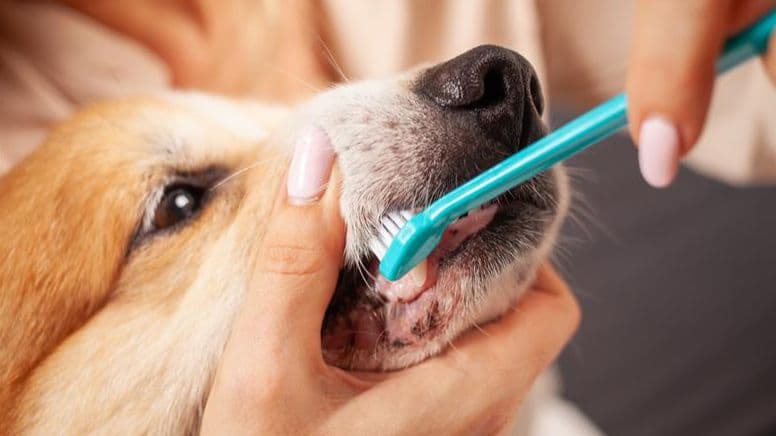
Dental Care for Your Pet at Home
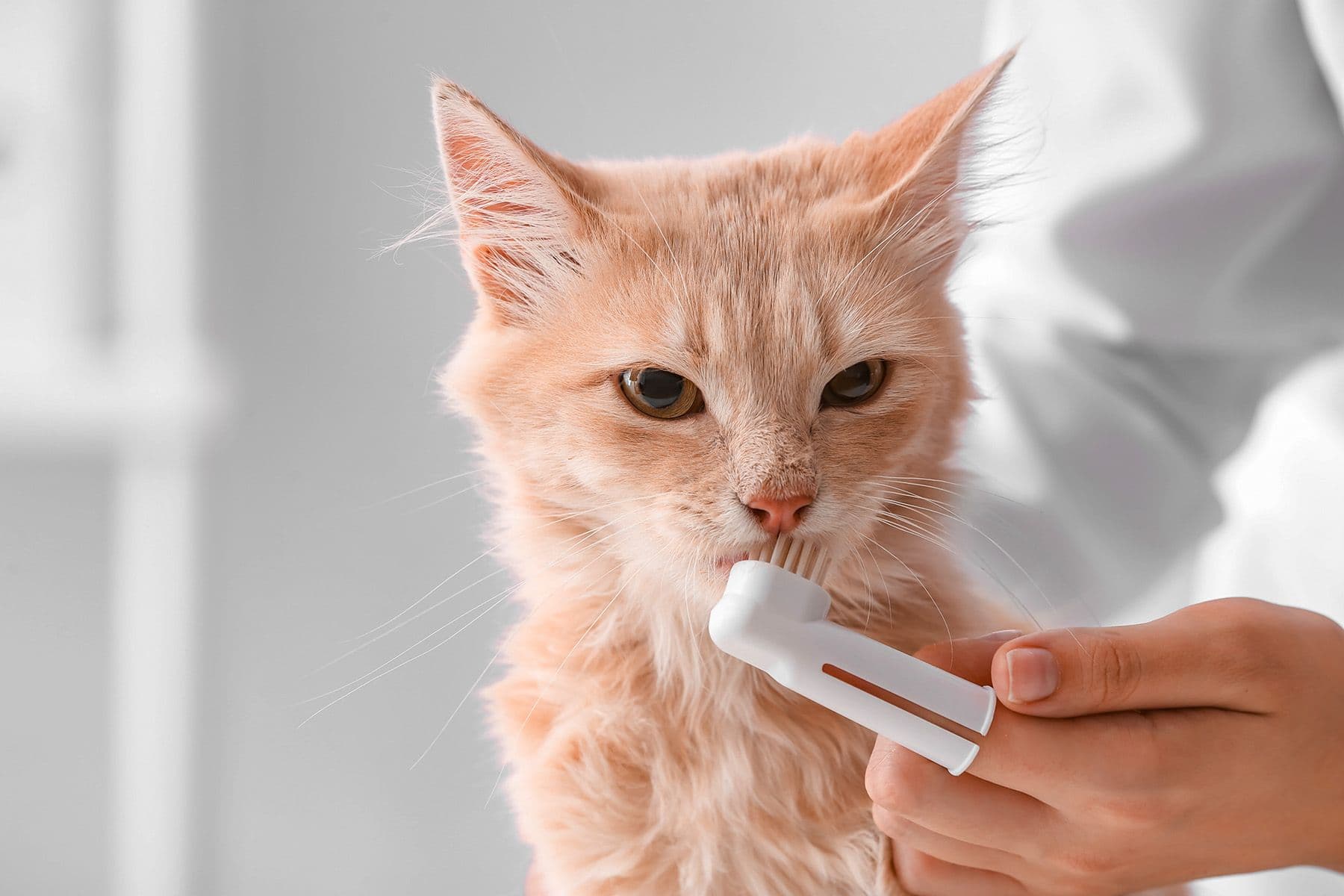
Regular toothbrushing helps remove plaque from your pet’s teeth. Ideally, teeth should be brushed every day.
Use a soft toothbrush suitable for your pet and toothpaste made specifically for animals. Never use human toothpaste.
Start slowly. If your pet is not used to having their mouth handled, take your time and introduce toothbrushing gradually.
Get your pet comfortable with you touching their mouth. Gently stroke around their lips and face and gradually introduce touching the teeth and gums.
Introduce toothpaste. Let your pet sniff and taste a small amount of pet toothpaste before you start brushing.
Start with your finger. Gently massage along the gumline with your finger so your pet becomes comfortable with the sensation.
Introduce the toothbrush. Start by gently touching one or two teeth with the brush, then gradually increase the number of teeth you brush.
Brush the outside surfaces first. These are the easiest to reach and are particularly important for removing plaque. You do not need to force your pet’s mouth open.
Keep sessions short and positive. Reward your pet and stop if they become uncomfortable. It can take several weeks for some pets to become comfortable with toothbrushing.
Once your pet is comfortable, aim to brush all accessible tooth surfaces, particularly along the gumline. If your pet will not allow you to brush the inside surfaces, concentrate on the outside surfaces rather than forcing their mouth open.
If your pet has painful or inflamed gums, speak to your vet before starting toothbrushing, as brushing can be uncomfortable when the mouth is sore.
If your pet will not tolerate toothbrushing, there are other options that may help reduce plaque and support their dental health. These include:
Dental diets – specially formulated diets that can help reduce plaque and tartar.
Dental chews – some are designed to provide mechanical cleaning as your pet chews.
Dental gels and wipes – these can be applied to the teeth and gums and may help reduce plaque.
Water additives – some products are designed to help reduce plaque when added to drinking water.
Dental powders – these can be added to food and are available for dogs and cats.
The effectiveness of dental products varies, and not every product will be suitable for every pet. When choosing a product, look for the VOHC Seal of Acceptance, where available. The Veterinary Oral Health Council reviews evidence submitted for products against its standards for plaque and tartar control in dogs and cats.
Your vet can advise which options may be most appropriate for your pet, particularly if they already have dental disease.
Some products and approaches can damage your pet’s teeth or cause unnecessary discomfort.
Avoid human toothpaste – some ingredients can be harmful to pets.
Avoid very hard chews or objects – these can fracture teeth.
Avoid trying to remove tartar yourself – scraping the teeth can damage the tooth surface and does not treat disease below the gum line.
Avoid brushing painful or inflamed gums – this can cause discomfort and may make your pet reluctant to accept toothbrushing.
Avoid non-anaesthetic dental scaling – removing visible tartar without being able to properly examine and treat below the gum line does not provide the same assessment or treatment as a veterinary dental procedure.
If you are unsure whether a dental product or chew is suitable for your pet, ask your vet for advice.
Home dental care is most useful for preventing or reducing plaque build-up. It does not replace a veterinary examination if your pet already has signs of dental disease.
Contact your vet if you notice:
Bad breath that persists or is getting worse
Red, swollen or bleeding gums
Loose, broken or damaged teeth
Drooling, particularly if there is blood in the saliva
Difficulty eating, chewing or swallowing
Your pet dropping food or eating less than usual
Pawing or rubbing at their mouth
Swelling around the face or jaw
Your pet appearing painful or becoming reluctant to have their mouth or face touched
If your pet is unable or unwilling to eat or drink, has significant bleeding or swelling, or appears to be in severe pain, seek veterinary advice promptly.
For more information about caring for your pet’s dental health:
You can also read our Animal Trust articles:
Written by Gillian Burkhill, Veterinary Surgeon, Animal Trust Vets CIC | Published September 2026 | Review date September 2029 | This advice is for UK pets only and is not a replacement for seeing a vet