Animal Trust

Guide to Household Products That Are Toxic to Dogs

Household products can contain substances that are harmful to dogs if swallowed, inhaled, or touched. These chemicals may damage the body’s tissues or interfere with normal organ function. Depending on the substance and the amount involved, signs of poisoning can range from mild irritation to severe illness and in some cases may be life-threatening.

Exposure to household cleaners, detergents, disinfectants, or other domestic products can be a medical emergency for dogs. If you think your dog has come into contact with or ingested a potentially harmful household product, seek veterinary advice immediately.

Published October 2025 | Review date October 2028 | This advice is for UK pets only and is not a replacement for seeing a vet

Guide to Household Products That Are Toxic to Dogs
Common Household Products That Are Toxic to Dogs

Common Household Products That Are Toxic to Dogs

Several household items can be extremely dangerous or fatal to dogs, and some can even cause immediate harm. Immediate danger can arise from certain cleaners, substances, caustics, and objects that can cause choking or internal damage:  

  • Rodenticides (rat poison): these are designed to be lethal and can be very appealing to dogs due to their taste and texture, and they can generally cause uncontrollable bleeding if not treated immediately.  

  • Metaldehyde (slug bait): a common ingredient in slug and snail bait, it's highly toxic and can cause seizures and death.  

  • Vitamin D: the most common cause is the ingestion of rat and mouse poisons that contain cholecalciferol, a highly concentrated form of vitamin D3. The main reason for vitamin D toxicity is that it is a fat-soluble vitamin and excess vitamin D is stored in a dog's fat and liver tissue. This accumulation causes abnormally high levels of calcium then deposited into organs and soft tissues, leading to organ damage and malfunction.   

  • Bleach and other strong cleaning products: can cause severe burns and irritation if eaten or if they make content with the skin for a period of time.  

  • Detergents and fabric softeners: can cause irritation, burns, and muscle weakness. 

  • Ethylene glycol, antifreeze: is extremely toxic to dogs. It has a sweet taste meaning dogs like to drink it. Sadly, can be fatal and works quickly to cause harm to the body.  

  • Topical creams and ointments: can cause stomach upsets. Dogs can also absorb human hormonal preparations and start to show a variety of signs depending on the chemical.  

  • Cigarettes and nicotine patches: highly toxic to dogs, and even a small amount can be fatal. Ccause vomiting, heart, blood pressure and nervous system  issues.

  • Electrical appliances: Batteries can cause chemical burns and poisoning if eaten. Electrical cords can cause electrocution and burns.  

Signs of Poisoning in Your Dog and What to Do

Signs of Poisoning in Your Dog and What to Do

Symptoms of poisoning in dogs ca n be varied, but often include: 

  • Stomach upset issues (vomiting, diarrhoea)  

  • Behavioural changes (lethargy or agitation) 

  • Other signs like tremors, difficulty breathing or pale gums and sometimes seizures  

What to do if you suspect poisoning  

If you suspect your dog has swallowed something poisonous, take immediate action and follow these steps:  

  • Stay calm: remaining calm helps you make good decisions and will keep your dog relaxed too.    

  • Contact your vet or your emergency out-of-hours vet: It’s extremely helpful for your vet if you can provide an idea of when and how much of the toxic substance your dog ate and the packaging if you have it.  

  • Follow the instructions given by your vet: Your vet will advise whether you should treat your dog at home or take them to the clinic. Treatment for poisoning usually involves your vet giving your dog an 'emetic', a medication to make them sick, followed by activated charcoal to absorb any remaining toxins. In severe cases, your dog may spend the night at your vet on a drip to flush the system of any remaining toxins. You should never try and make your dog vomit yourself, as this can cause more harm if not done correctly. Your vet may provide you with a dedicated ‘poison line’ to call for advice in these situations.     

Household Products – Poisoning Prevention Tips

Household Products – Poisoning Prevention Tips

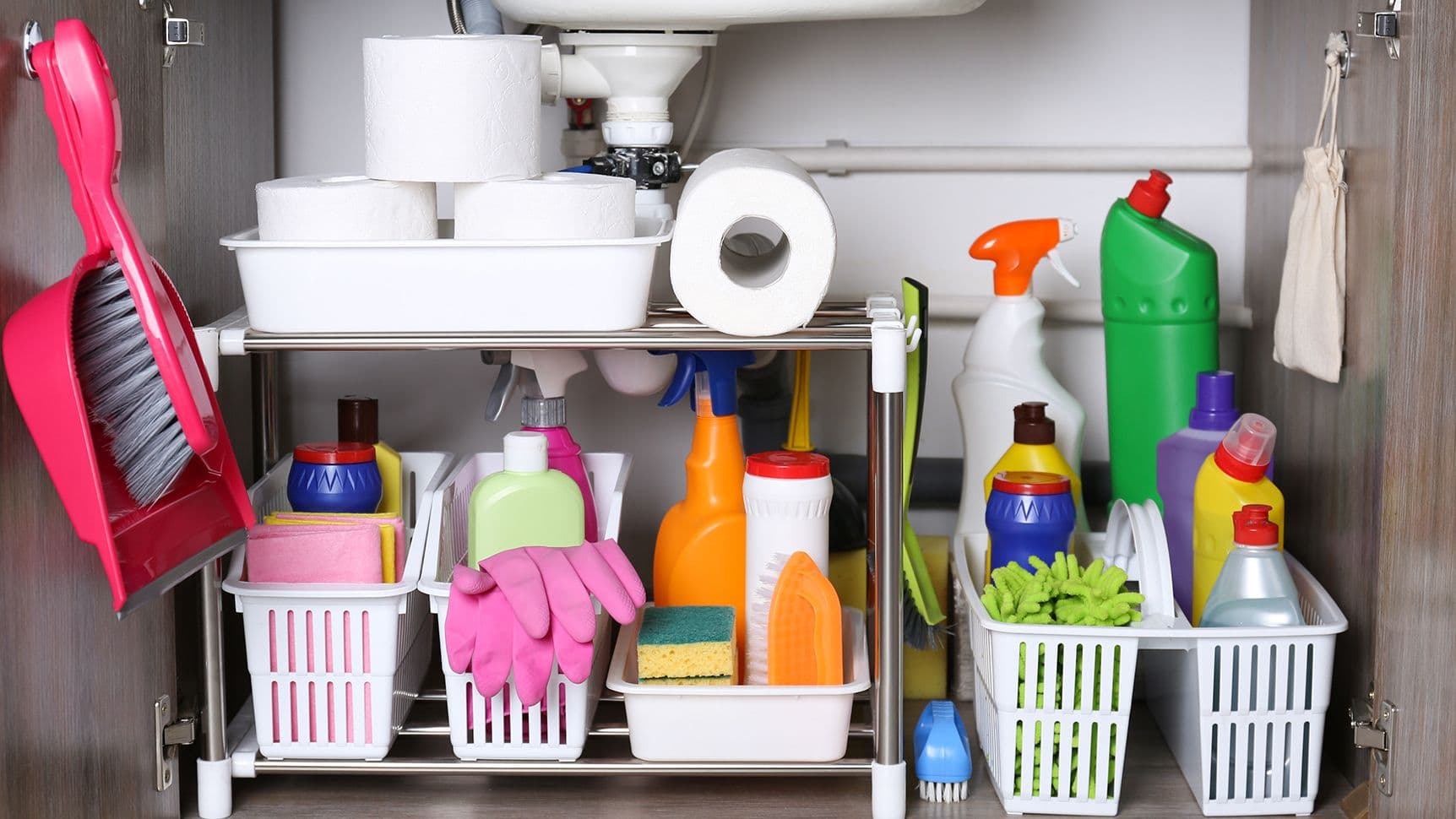
  • Secure potential poisons: keep all potentially toxic substances, including out of your dog's reach. Store them in locked cabinets or containers.  

  • Supervise your dog: constant supervision, especially outdoors, can help prevent your dog from ingesting harmful substances.  

  • Educate yourself: learn about poisonous plants and foods that are harmful to dogs. Avoid or remove these plants from your garden or house.  

  • Keep rubbish bins secure: secure rubbish bins to prevent your dog from accessing potentially harmful food or waste. 

Concerned about your pet?