Animal Trust

Dog Vaccination Guide: What Vaccines Does My Dog Need?

Why vaccinate your dog? 

Vaccinating your dog is one of the best ways to protect them from serious, and sometimes fatal, diseases. Vaccines teach your dog’s immune system how to fight off certain viruses and bacteria, so if they ever encounter the real thing, they’re much more likely to stay healthy. 

Vaccinations also help stop the spread of disease in the wider dog population, keeping all dogs safer. 

Dog Vaccination Guide: What Vaccines Does My Dog Need?

Dog Vaccinations: What They Need, When and What to Expect

There are some essential vaccines that every dog should have, whether they’re a puppy or an adult. These are known as core vaccines, and they protect against highly contagious and potentially deadly illnesses: 

  • Canine Distemper Virus (D) Affects multiple organs and can be fatal. Given during the puppy course and then every 3 years. 

  • Infectious Canine Hepatitis (H) Affects the liver, kidneys, and eyes. Given at the puppy stage and then every 3 years. 

  • Canine Parvovirus (P) Highly contagious, causing severe vomiting and diarrhoea. Part of the puppy course and repeated every 3 years. 

  • Leptospirosis (L) A bacterial disease that can damage the liver, kidneys, and other vital organs. Given during the puppy course and then annually. 

Note: Some vaccines, like those for Leptospirosis, come in different combinations to cover various strains. 

Puppies: 

  • First vaccines are usually given between 6–8 weeks of age 

  • A second dose follows 3–4 weeks later 

  • A booster at 12 months helps build long-term immunity 

  • Then, annual boosters or 3-year boosters depending on the vaccine 


Adult Dogs: 

  • Follow-up boosters will depend on which vaccines they received as puppies 

  • Leptospirosis: yearly 

  • Distemper, Hepatitis, Parvovirus: every 3 years 

If you’re planning to travel abroad with your dog, or return to the UK, you’ll need a Rabies vaccination. This is a legal requirement and is usually valid for 1-3 years, depending on the specific vaccine used.  Additional requirements may apply depending on the country you are travelling to or from, so always plan well in advance. 

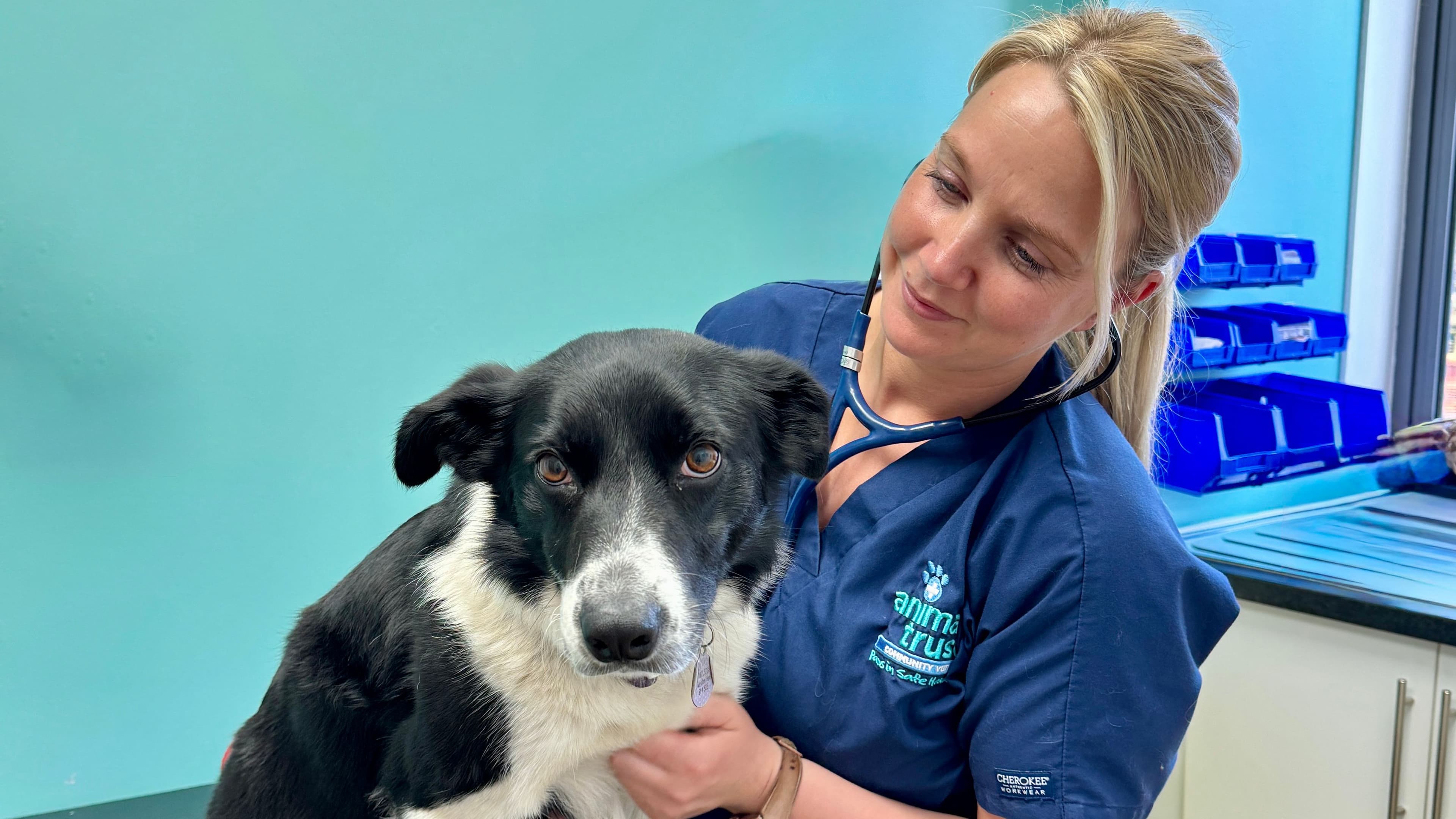
Here’s what to expect during your dog’s visit: 

  • Full health check by the vet 

  • Chat about your dog’s lifestyle, health, and any concerns you have 

  • Vaccination given via a quick injection, usually at the back of the neck 

  • Short observation period afterward to monitor for any reactions (most dogs are absolutely fine!) 

Most dogs handle vaccinations really well. Some mild, short-term side effects can happen, including: 

  • Tiredness 

  • Mild fever 

  • Tenderness or swelling at the injection site 

These usually go away within 24 hours. If your dog still seems unwell after a day or two, give your vet a call. 

More serious reactions are rare, but it’s important to know the warning signs. Contact your vet immediately if your dog shows: 

  • Ongoing vomiting or diarrhoea 

  • Hives (red, itchy bumps) 

  • Swelling of the face, nose, eyes, or throat 

If your dog isn’t fully vaccinated yet, it’s important to be cautious: 

  • Avoid places with lots of dogs (like parks or kennels) 

  • Don’t let them sniff or interact with unknown dogs 

  • Carry young puppies when outdoors, or use a secure puppy carrier 

  • Keep their environment clean and free from potential infection risks 

  • Make sure other dogs in your home are vaccinated 

Vaccination is the safest and most effective way to protect your pet in the long run. 

Author

Written by Dr. Mariella Roberts, Veterinary Surgeon, Animal Trust Vets CIC | Published September 2025 | Review date September 2028 | This advice is for UK pets only and is not a replacement for seeing a vet

Concerned about your pet?