Eye Prolapse (Proptosis) - A Veterinary Emergency
My pet's eye looks like it's popping out?
Eye prolapse (proptosis) is a serious eye injury in which the eyeball is forced forward out of its normal position within the eye socket. Many owners describe this as their pet's "eye popping out". It is a true veterinary emergency, and immediate treatment is essential to give the best chance of saving the eye and preserving vision.
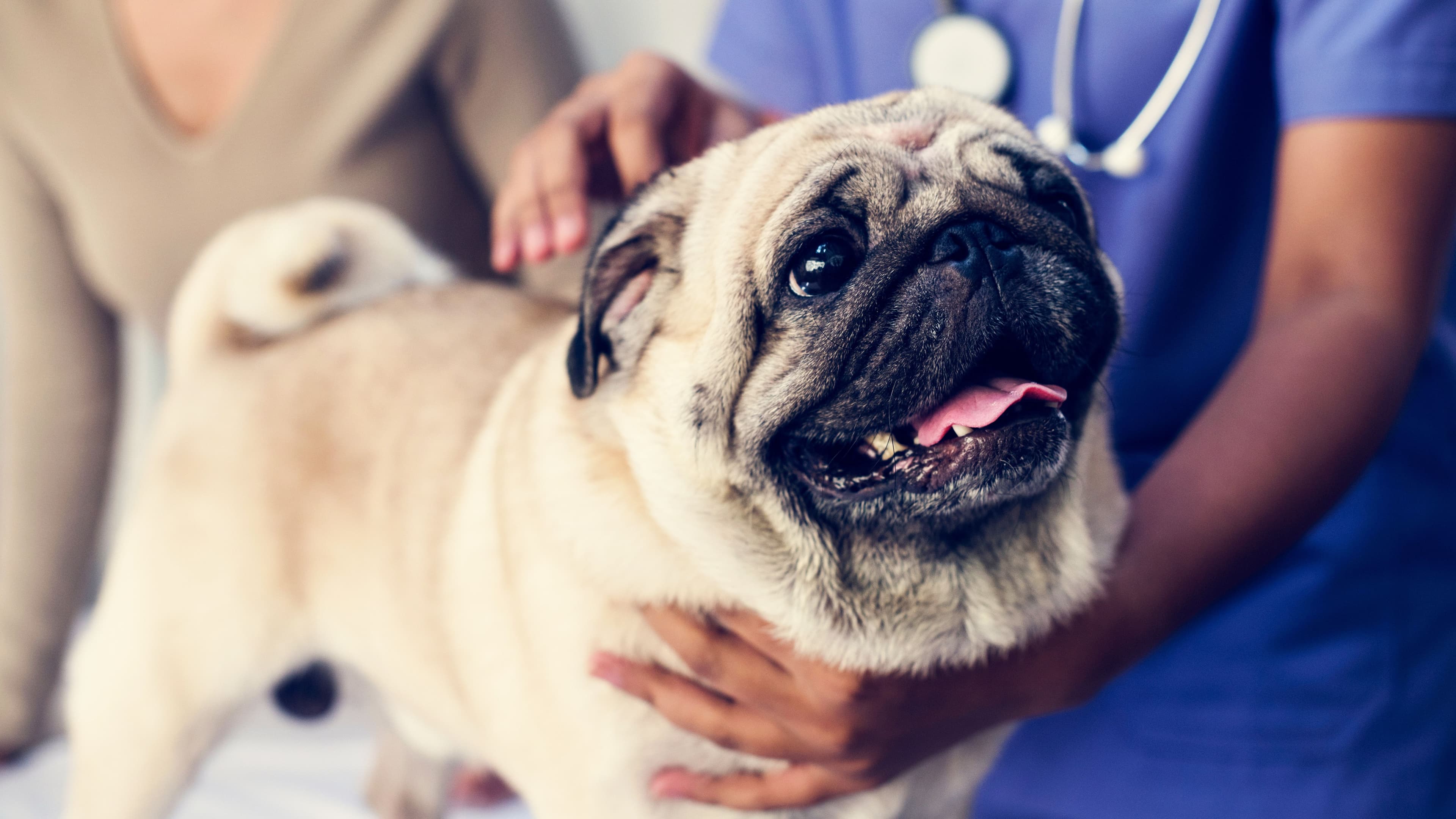
Eye prolapse is most commonly caused by trauma, such as a road traffic accident, bite injury or blunt impact to the head. In some flat-faced (brachycephalic) breeds, including Pugs, Shih Tzus and Persian cats, relatively minor trauma can occasionally cause the eye to prolapse because their eye sockets are naturally shallower.
Never try to push the eye back into the socket yourself. Keep the eye moist if possible by covering it with a clean dressing dampened with sterile saline or clean water, prevent your pet from rubbing the eye, and take them to your vet immediately.
Eye Prolapse (Proptosis): Symptoms, Treatment and Prevention
Common signs of eye prolapse (proptosis) include:
- The eyeball appears to have "popped out" or is bulging forwards from the eye socket.
- The eyelids are trapped behind the eyeball.
- The eye appears swollen, red or bloodshot.
- Bleeding or swelling around the eye.
- Pain, pawing at the eye or an inability to close the eyelids.
Eye prolapse is always an emergency. Prompt veterinary treatment offers the best chance of saving the eye and preserving vision.
Contact your vet immediately if you think your pet has an eye prolapse (proptosis). This is a true veterinary emergency.
While travelling to the clinic, try to prevent your pet from rubbing the eye. If possible, keep the exposed eye moist by gently covering it with a clean dressing dampened with sterile saline or clean water. Do not attempt to push the eye back into the socket yourself.
Further reading: How to Access Emergency Vet Care, What to Expect at an Emergency Vet Visit
Eye prolapse (proptosis) is diagnosed during a physical examination. Your vet will assess the extent of the injury, check for damage to the eye and surrounding tissues, and look for any other injuries, particularly if the prolapse was caused by trauma.
Additional tests or imaging may be recommended to assess injuries to the skull, jaw or other parts of the body before treatment is planned.
Treatment should begin as soon as possible. Depending on the severity of the injury, your vet may be able to surgically replace the eye into the socket and temporarily stitch the eyelids closed to protect the eye while it heals.
If the eye or surrounding tissues are too severely damaged, or vision cannot be preserved, removal of the eye (enucleation) may be necessary. Pain relief and other supportive treatment are often required, particularly if there are other injuries.
The sooner treatment is started, the better the chance of saving the eye and preserving vision.
Not all cases of eye prolapse (proptosis) can be prevented, as most are caused by unexpected trauma. However, you can reduce the risk by:
- Keeping dogs on a lead near roads and other hazards.
- Supervising pets during play and avoiding situations where fights may occur.
- Taking extra care with flat-faced (brachycephalic) breeds, which are more prone to eye prolapse following even minor trauma.
The outlook depends on how severely the eye has been damaged and how quickly treatment is started. Pets treated promptly have the best chance of retaining the eye and preserving some or all of their vision.
Even if the eye cannot be saved and has to be removed, most dogs and cats adapt remarkably well to life with one eye and can still enjoy an excellent quality of life.
Written by Gillian Burkhill, Veterinary Surgeon, Animal Trust Vets CIC | Published May 2026 | Review date May 2029 | This advice is for UK pets only and is not a replacement for seeing a vet