
How to Access Emergency Veterinary Care
If your pet is suddenly unwell or injured, knowing what to do can help you get the care they need as quickly as possible. Some emergencies can become life-threatening within a short period of time, so acting promptly is important.
If you think your pet needs urgent veterinary treatment, contact a vet immediately. If possible, call before travelling so the emergency team can advise you, let you know where to travel to and prepare for your arrival.
Step 1: Stay Calm and Assess Your Pet
If your pet is injured or suddenly becomes unwell, try to stay calm and assess the situation as quickly as possible. Keeping your pet quiet and still may help prevent further injury while you arrange veterinary care.
Do not put yourself at risk. Even the gentlest pets may bite or scratch when they are frightened or in pain.
If your pet has any of the following, seek veterinary attention immediately:
Severe bleeding
Been hit by a car
A swollen abdomen or repeated unsuccessful attempts to vomit
If you are ever unsure whether your pet needs emergency treatment, it is always safest to contact a vet for advice.
Step 2: Call a Vet Immediately
If you think your pet needs emergency veterinary care, contact your usual vet as soon as possible.
In the UK, all veterinary practices must provide 24-hour emergency cover for their clients. This may be delivered by the practice itself, a neighbouring clinic, a dedicated emergency service, or an online triage provider.
Calling before you travel allows the emergency team to:
Advise you on what to do next
Advise you on where to take your pet to
Prepare for your arrival
Ensure the appropriate team and equipment are ready if urgent treatment is needed
Be prepared to tell the team:
Your pet's species, breed and age
What symptoms they are showing
When the problem started
Whether they may have eaten anything toxic or suffered an injury
Any medication they are currently taking, if known
If your pet is critically ill or injured, do not delay travelling to gather information or paperwork. Your pet's safety comes first.
Step 3: Travel to the Vet Safely
Once you have spoken to the veterinary team, travel to where you have been advised to go, as safely and quickly as possible.
Keep your pet calm and avoid unnecessary movement during the journey. Injured or frightened pets may react differently than normal, so take care when handling them.
Transport cats and small pets in a secure carrier or basket where possible
Keep dogs on a lead or secure harness if they can walk
If your pet cannot walk, support their body using a blanket, towel or other firm support if available
If another person is available, ask them to accompany you and help monitor your pet during the journey
Do not delay travelling to look for paperwork or other items. Getting your pet to a vet promptly is the priority.
Step 4: What Happens When You Arrive?
When you arrive at the vets, your pet will be assessed by a member of the emergency team to identify any urgent or life-threatening problems.
Pets with the most serious conditions will be prioritised for immediate treatment. This means some pets may be seen before others, regardless of arrival time.
Once your pet has been examined, the veterinary team will discuss their condition, any recommended tests or treatment, and whether they need to stay in hospital for ongoing care.
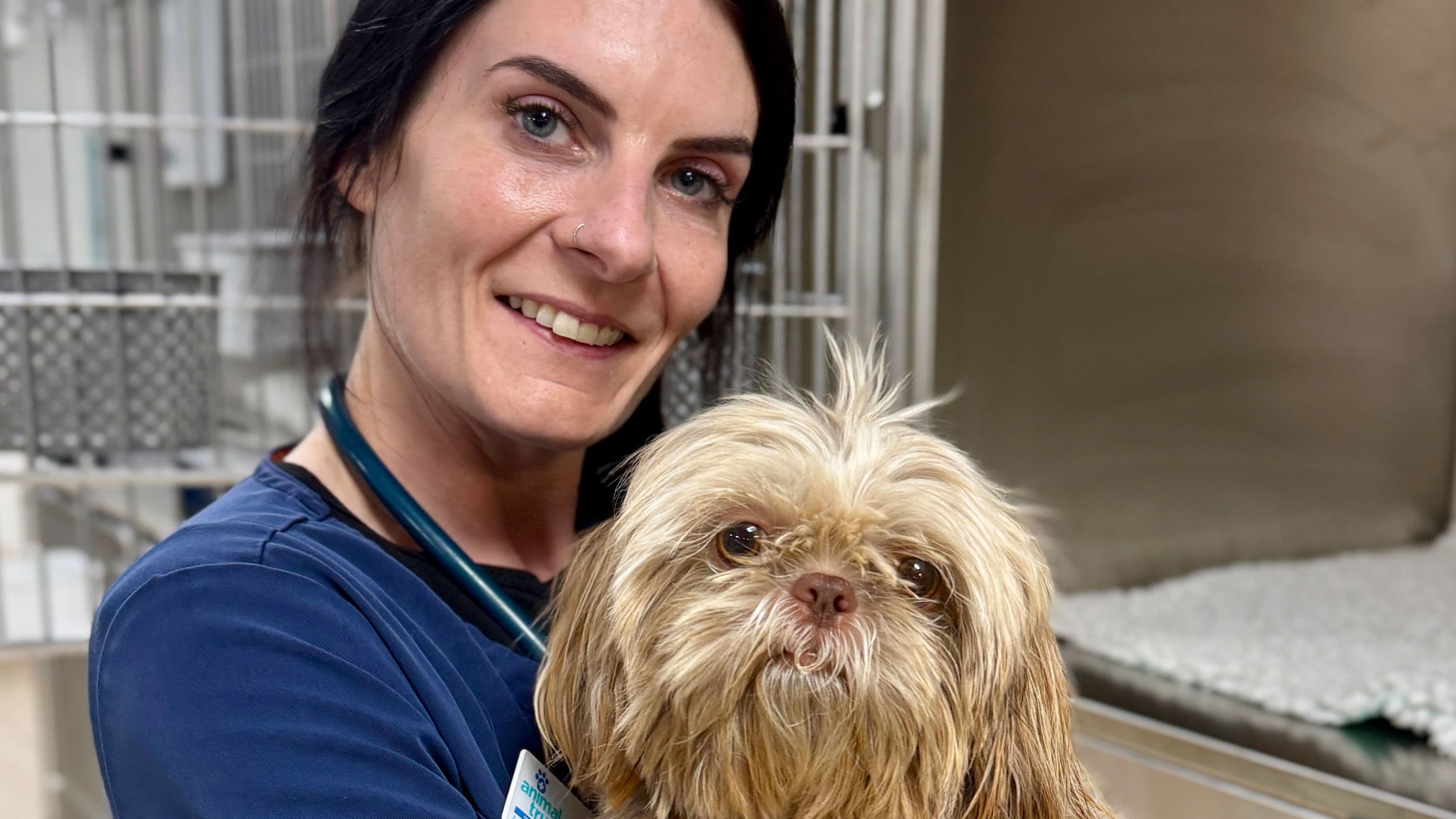
At Animal Trust, our experienced emergency teams provide urgent consultations, emergency surgery and inpatient hospital care whenever it is needed.
Further reading: What to Expect at an Emergency Vet Visit
Step 5: What If I'm Not Sure It's an Emergency?
It is not always easy to tell whether your pet needs emergency treatment. Some serious conditions can appear mild at first but become life-threatening if left untreated.
If your pet is having difficulty breathing, has collapsed, is seizuring, has severe bleeding, has been hit by a car, is unable to urinate or may have been poisoned, seek veterinary attention immediately.
If you are ever unsure, it is always safest to contact a vet for advice. The emergency team can help you decide whether your pet needs to be seen urgently.
Related pages: When Is It a Pet Emergency?, Cat in a Road Accident: What To Do, Dog in a Road Accident: What To Do
Frequently Asked Questions: What to do if you need a vet in an emergency
Yes. If possible, call your vet before travelling so the emergency team can advise you, inform you where to travel to and prepare for your arrival. If your pet is critically ill or injured, do not delay seeking veterinary attention.
Yes. Our Pet A&E service is open to everyone. No prior registration is required.
If you are ever unsure, it is safest to contact a vet for advice. Some conditions can become serious very quickly, even if symptoms initially appear mild.
Some illnesses and injuries can worsen rapidly. Difficulty breathing, collapse, seizures, severe bleeding, suspected poisoning, inability to urinate and signs of bloat should all be treated as emergencies.
Do not delay travelling to look for paperwork or other items.
If readily available, it can be helpful to bring:
- Details of any medication your pet is taking
- Information about the illness or injury
- Packaging relating to any suspected toxin ingestion
If you do not have these items with you, please still seek veterinary attention immediately.
If your pet requires emergency surgery or ongoing monitoring, the veterinary team will discuss the available treatment options and whether admission for inpatient hospital care is needed.
If you think your pet may be experiencing an emergency, contact your nearest Pet A&E hospital immediately. If possible, call before travelling so the emergency team can advise you, tell you where to travel to and prepare for your arrival.
Written by Gillian Burkhill, Veterinary Surgeon, Animal Trust Vets CIC | Published May 2026 | Review date May 2029 | This advice is for UK pets only and is not a replacement for seeing a vet