Weight loss
Lethargy or fatigue
Gas (flatulence)
Abdominal pain or discomfort
Gurgling in the abdomen
Poor coat quality
Blood in the stool (less common)
Animal Trust
Inflammatory Bowel Disease (IBD) in Cats
Inflammatory bowel disease is actually a group of gastrointestinal (GI) diseases for which no single cause is known. Also known as IBD, inflammatory bowel disease in cats' results in inflammation of the stomach, small intestines, and/or large intestines.
Though no single cause is known, more than one cause of IBD in cats is usually suspected, such as:
Hypersensitivity to bacteria
Genetic factors
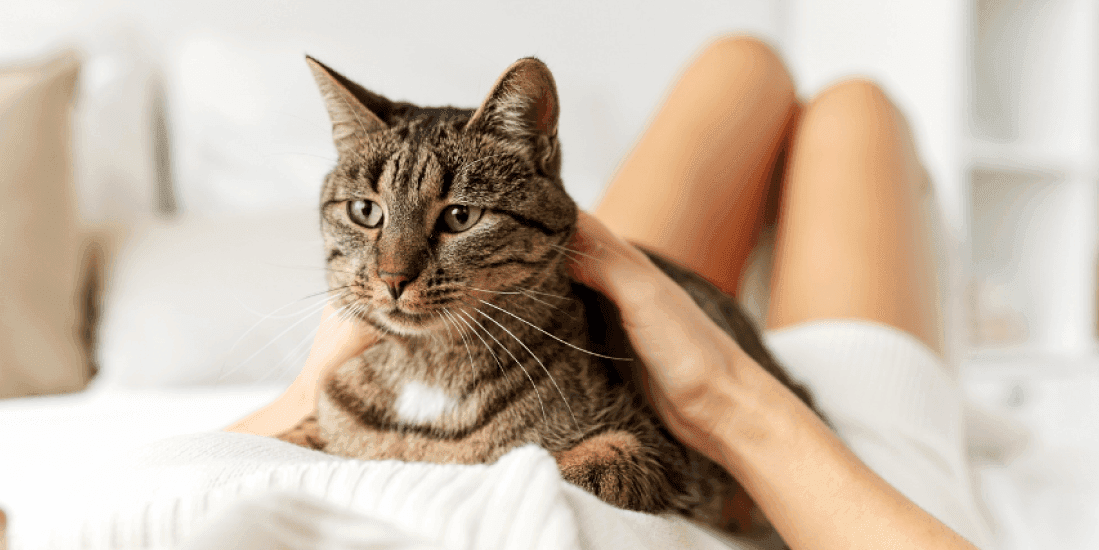
Inflammatory Bowel Disease in Cats: Symptoms, Treatment, Prevention
If your cat shows signs of IBD, especially if they persist for more than a week or are severe, such as vomiting and diarrhoea that won't stop, lethargy, not eating, signs of pain, or dehydration. These symptoms can indicate a serious condition that requires professional diagnosis and treatment immediately.
Clinical examination by your vet
Full blood test and stool sample
Your vet might require additional tests such as X-rays and ultrasound
Hypoallergenic food trial
More advanced diagnostic tools might be needed in some cases, such as endoscopy or surgery for collection of small tissue samples of your cat’s intestines to be sent for histological evaluation to the lab
Major goals of treatment are:
Stabilising your cat’s weight
Relieving GI symptoms
Reducing the immune system's response
Food trial with hypoallergenic or novel protein diets for at least 2-3 months
Supplements for vitamin B12 (cobalamin) or folate if your cat is deficient, which can often result from poor absorption
Medications that suppress the immune system, such as steroids(antinflamatories)or other drugs
Occasionally antibiotics
While there is no guaranteed way to prevent IBD in cats, you can reduce the risk by feeding a high-quality, low-fat diet, managing stress, providing plenty of fresh water, and keeping the litter box clean. Supporting a healthy gut microbiome with prebiotics/probiotics may also be beneficial.
The outlook for feline IBD is generally good, with symptoms often manageable through lifelong diet and medication, allowing cats to live comfortably for many years. However, the outlook is less certain in severe cases or when cats don't respond to initial treatments, and some forms of IBD can progress to intestinal cancer. Close monitoring by your vet is critical for managing symptoms and adjusting treatment as needed.
Author
Written by Gillian Burkhill, Veterinary Surgeon, Animal Trust Vets CIC | Published September 2026 | Review date September 2029 | This advice is for UK pets only and is not a replacement for seeing a vet