What food can my cat eat? Why feeding your cat the right food matters
Feeding your cat the right food is essential for their health, providing the protein, vitamins, and minerals needed for strong muscles, a healthy coat and proper organ function. A balanced diet supports energy levels and weight, while a poor diet can lead to obesity, diabetes, arthritis and a shorter lifespan.
Your vet may recommend special diets for conditions like digestive issues, urinary problems or allergies.
Understanding that cats are obligate carnivores
Cats are obligate carnivores, meaning they must eat animal-based protein to survive. They rely on nutrients like taurine found only in animal tissue and cannot thrive on vegetarian or vegan diets.
Written by Dr. Mariella Robertson, Veterinary Surgeon, Animal Trust Vets CIC
Published December 2025 | Review date December 2028
This advice is for UK pets only and is not a replacement for seeing a vet

Types of Commercial Cat Food
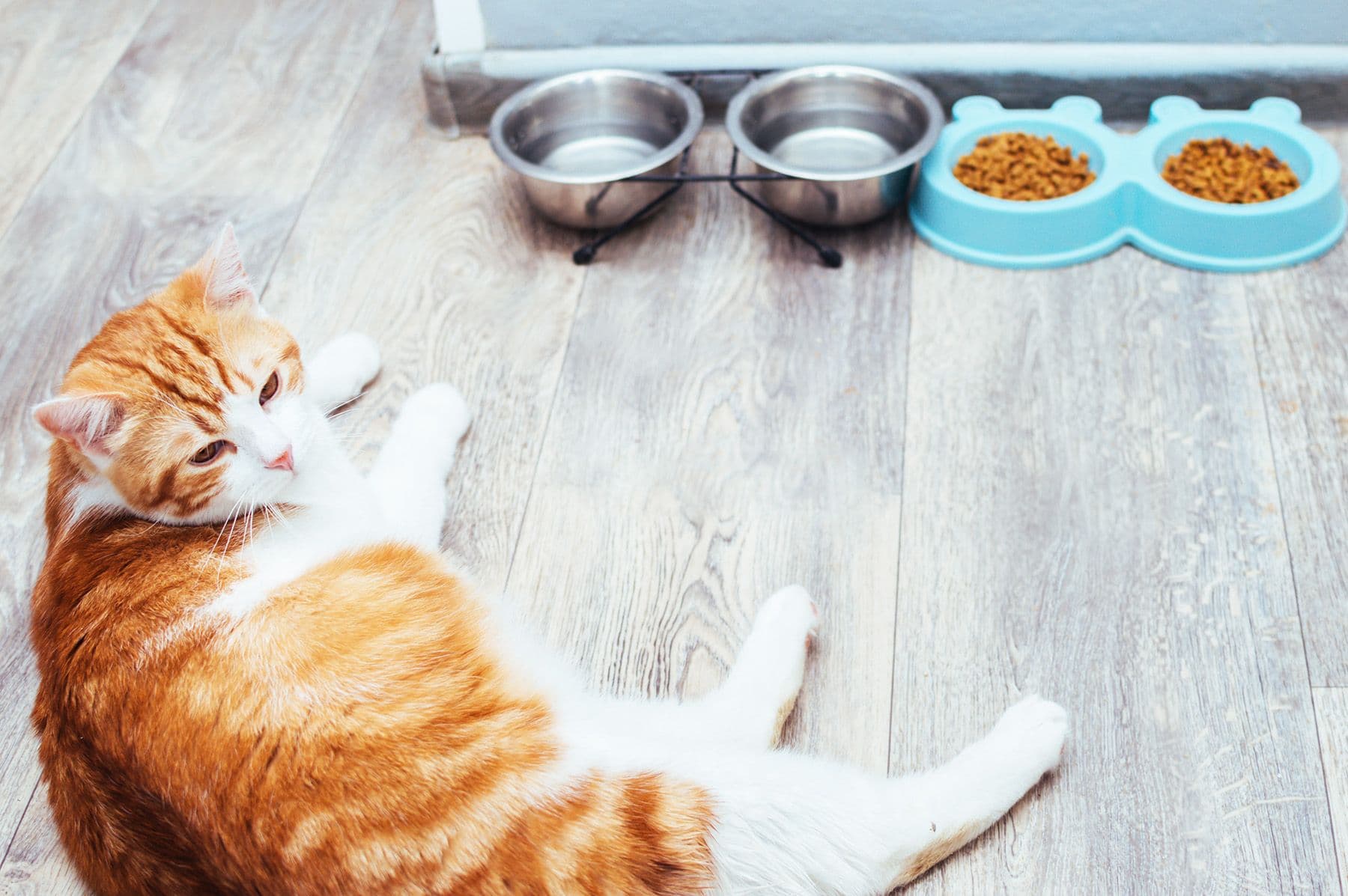
A complete cat food from a reputable brand is usually the best choice. Nutritional needs vary by life stage (kitten, adult, pregnancy), so check labels to ensure the food is complete and balanced for your cat.
Dry food (kibble): Convenient and cost-effective but low in moisture and often higher in calories.
Wet food: High in moisture and palatable, but more expensive, short shelf life once opened, and less convenient.
Speciality diets: Specialist foods are available for weight control, sensitive stomachs and urinary or kidney issues. Always consult your vet before switching.
Human Food, Homemade and Raw Diets for Cats
Human Foods that are Safe for Cats
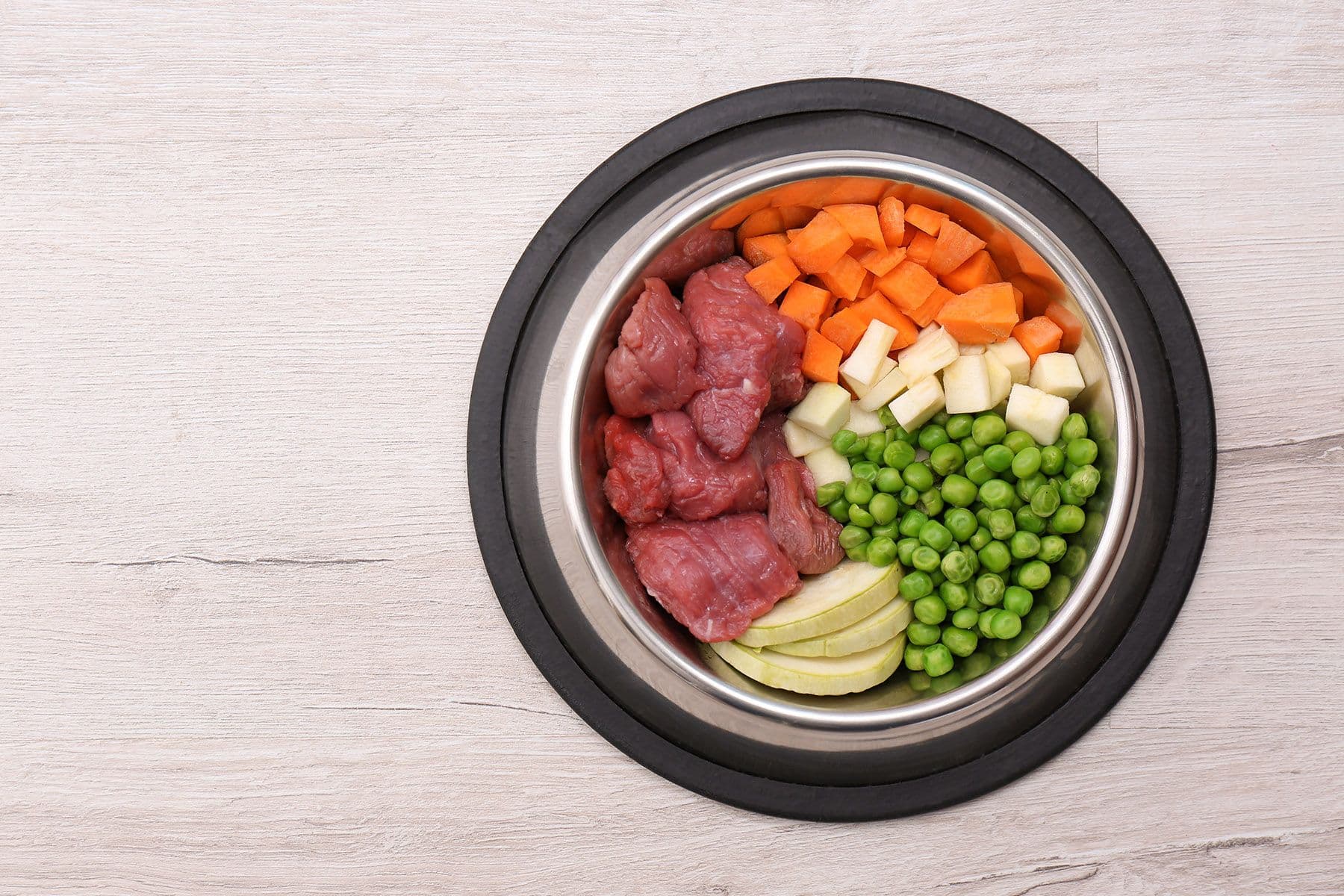
Cats can have small amounts of plain, cooked foods as treats, including:
Cooked lean meat, such as plain chicken, turkey or beef is an excellent source of protein for cats. It supports muscle heath, tissue repair and overall growth.
Cooked fish, such as white fish, oily fish and tuna, offer omega-3 fatty acids, which help maintain a healthy coat, and support brain and joint health. You should always remove bones and only offer small amounts of cooked fish to your cat occasionally, as too much can lead to nutritional imbalances.
Cooked eggs, whether scrambled or boiled, are a great way to supplement your cat’s diet. They’re a great source of protein and fat, promoting strong muscles and a healthy coat. Never feed raw eggs.
Small amounts of certain vegetables - carrots, cucumbers, celery, green beans, lettuce, steamed broccoli. Make sure these are cooked and cut into small pieces or mashed to prevent choking.
Small amounts of fruit - apples, bananas, pears, strawberries cranberries, blueberries, watermelon can be a delightful treat for your kitty. Fruit is high in sugar and fructose which can be detrimental to your cat and it shouldn’t replace your pet’s regular diet. Always remove any seeds, stems or skin as they can be harmful.
Dairy: Most cats are lactose intolerant, but small amounts of plain yoghurt may be tolerated.
Always serve plain, cooked and in small portions. Treats should not replace a complete diet.
Foods Cats Should Never Eat
Toxic foods:
Onions, garlic (cause anaemia)
Chocolate (toxic to the heart and nervous system)
Grapes and raisins (kidney failure)
Unhealthy foods:
High salt, fat, or sugar foods (e.g. processed meats, snacks)
Other risks:
Cooked bones (choking/internal injury)
Raw dough (bloating, alcohol production)
Alcohol (highly toxic)
Mouldy food (toxic)
Further reading: Human Foods that are Toxic to Cats
Homemade and Raw Diets
These require veterinary guidance to avoid nutritional deficiencies and bacterial risks. A balanced diet must include key nutrients like taurine, vitamins, and fatty acids. Further reading: Raw Food: Benefits and Risks
Our Tips for Feeding Your Cat
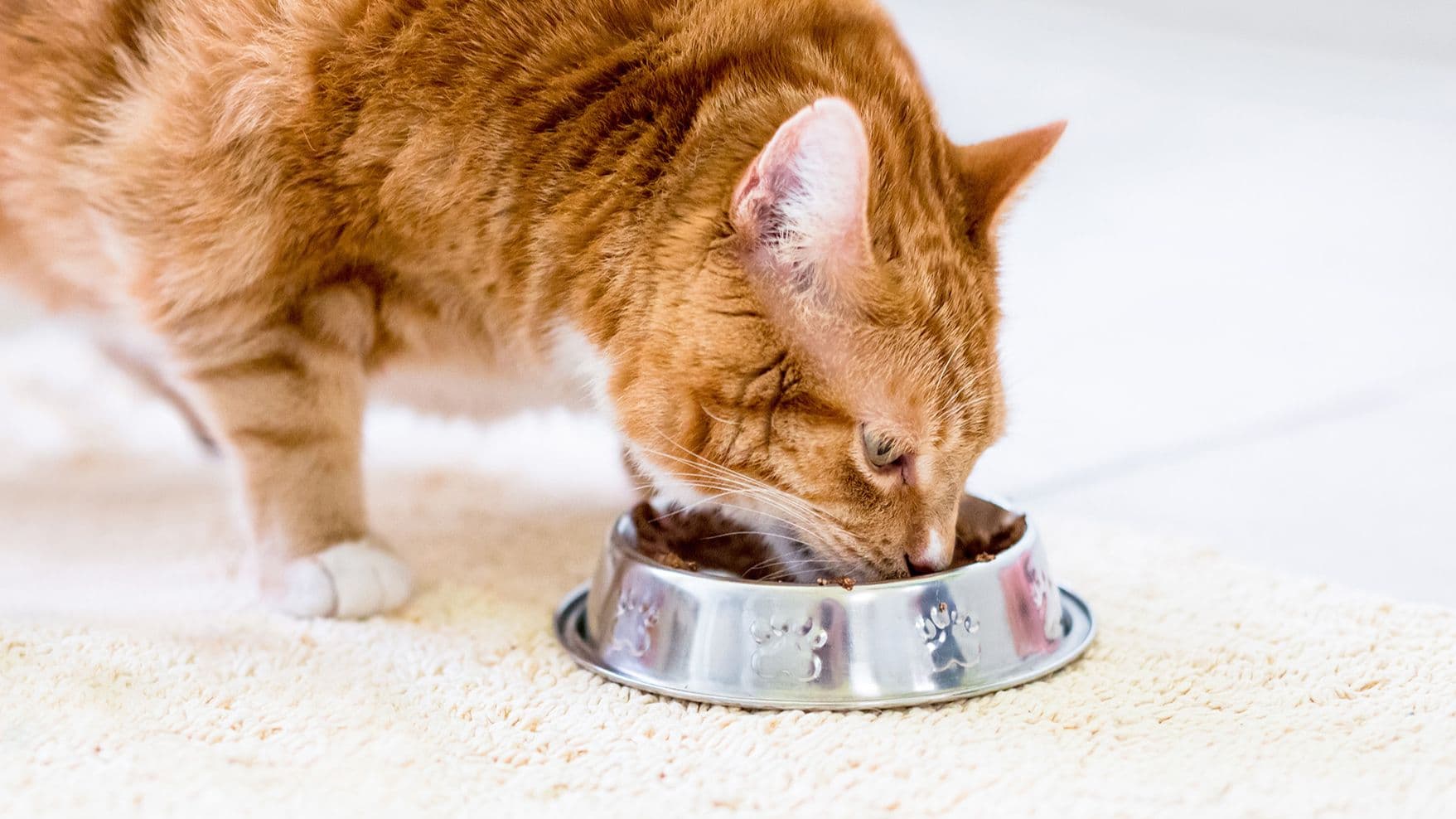
Portion control: Feed measured meals (2–3 times daily for adults). Avoid free feeding.
Change food gradually: Transition over 7–10 days to prevent digestive upset.
Monitor health: Track weight, provide fresh water, and consult your vet if you notice changes.
Conclusion: Feed a balanced, meat-based diet suited to your cat’s age and health. Offer small, regular meals, introduce new foods gradually and monitor their weight and wellbeing.
When to see a vet:
Before major diet changes
If your cat stops eating for 24 hours
If you’re concerned about weight or health
If a medical condition requires a special diet