Animal Trust

What is Alabama Rot?

Alabama rot, also known as cutaneous and renal glomerular vasculopathy (CRGV), is a very rare, potentially life-threatening disease in dogs. It damages small blood vessels, causing skin sores, often on the paws or lower legs. Some dogs also develop serious kidney injury, which can be fatal. 

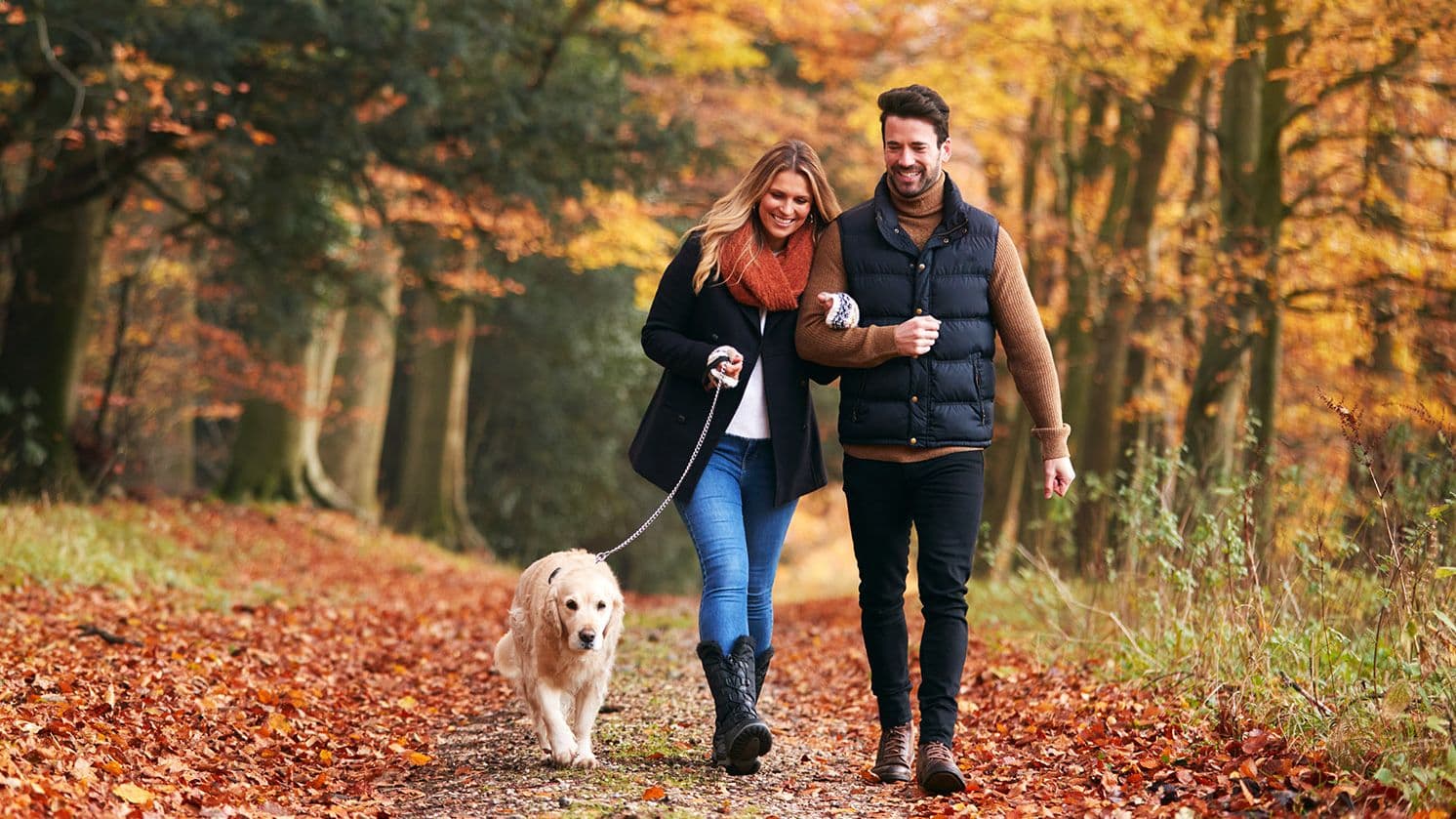
The cause remains unknown. Cases are reported more often during winter and spring, and research has identified associations with certain environments. However, it has not been established that mud or woodland exposure causes the disease. 

What is Alabama Rot?

Alabama Rot: Symptoms, Treatment & Prevention

The first signs are often unexplained redness, swelling, sores or ulcers, usually on the paws or lower legs. Sores may also appear on the body, face, tongue or inside the mouth. Your dog may lick the affected area more than usual. 

Most skin sores have other causes, but Alabama rot sores can look similar to ordinary cuts, bites or stings. 

Some dogs also develop kidney problems. Signs may include: 

  • Passing less urine 

These signs can develop at the same time as the skin sores or in the days that follow. Do not wait for these signs to develop before seeking veterinary advice about unexplained skin sores. 

Contact your vet promptly if your dog develops unexplained skin sores, redness or swelling, particularly on the paws or lower legs. Most skin sores are caused by something other than Alabama rot, but they should be assessed. 

Seek urgent veterinary advice if your dog also vomits, stops eating, becomes unusually tired or passes less urine. Do not wait for your dog to become unwell before seeking advice about unexplained sores. 

Your vet will examine your dog’s skin sores and assess their overall health. Blood and urine tests can help check kidney function and look for other changes that may support a suspected diagnosis. 

There is no simple test that confirms Alabama rot in a living dog. If it is suspected, your vet may recommend repeating tests over the following days, even if the initial results are normal. 

A definitive diagnosis usually relies on examining kidney tissue after death. Treatment and monitoring begin on suspicion, without waiting for confirmation. 

There is no specific treatment that cures Alabama rot. Treatment focuses on caring for the skin sores, monitoring kidney function and supporting dogs that develop kidney injury. 

Skin sores may need cleaning, dressings and pain relief prescribed by your vet. Antibiotics may be needed if the sores are infected; samples can help guide antibiotic choice. 

If kidney injury develops, your dog will need hospital treatment and close monitoring. Treatment may include carefully managed intravenous fluids, medication to control nausea and other supportive care. 

Your vet will monitor urine production, kidney function and fluid balance, and may recommend referral for specialist treatment. 

There is currently no proven way to prevent Alabama rot, because its cause remains unknown. 

You may choose to rinse mud from your dog after walks, particularly from their paws and lower legs, but this has not been proven to prevent the disease. 

Check your dog regularly for unexplained sores, redness or swelling, and contact your vet promptly if you notice changes. This helps identify possible illness early rather than preventing it. 

Dogs with skin sores alone have an excellent outlook, provided kidney injury does not develop. However, the sores may take weeks or months to heal fully. 

If kidney injury develops, the outlook is much more guarded. Some dogs recover with intensive treatment, but many do not survive. 

Dogs that recover may need ongoing monitoring because kidney damage can persist. 

Author

Written by Gillian Burkhill, Veterinary Surgeon, Animal Trust Vets CIC | Published November 2026 | Review date November 2029 | This advice is for UK pets only and is not a replacement for seeing a vet