
Guide to Household Products That Are Toxic to Cats - And When to Seek Emergency Vet Care
Many everyday household products can be harmful to cats. While some cause mild stomach upset or skin irritation, others can result in serious illness, chemical burns or poisoning.
Permethrin is a particular emergency in cats. It is commonly found in some dog flea treatments and is highly toxic to cats. Even small amounts can cause severe tremors, seizures and can be life-threatening. Never use a dog flea product on a cat and keep cats away from recently treated dogs, following the manufacturer's advice.
Cats may also be exposed by grooming chemicals from their coat or paws. If you think your cat has been exposed to a toxic household product, contact your vet immediately. Early treatment can significantly improve the outcome.
Common Household Products That Are Toxic to Cats
Many household products can be harmful to cats. The list below includes some of the more commonly encountered products, but it is not exhaustive. If you think your cat has been exposed to any potentially toxic household product, contact your vet for advice.
Permethrin-containing flea treatments (some dog spot-on products)
Rodenticides (rat and mouse poisons)
Slug and snail bait
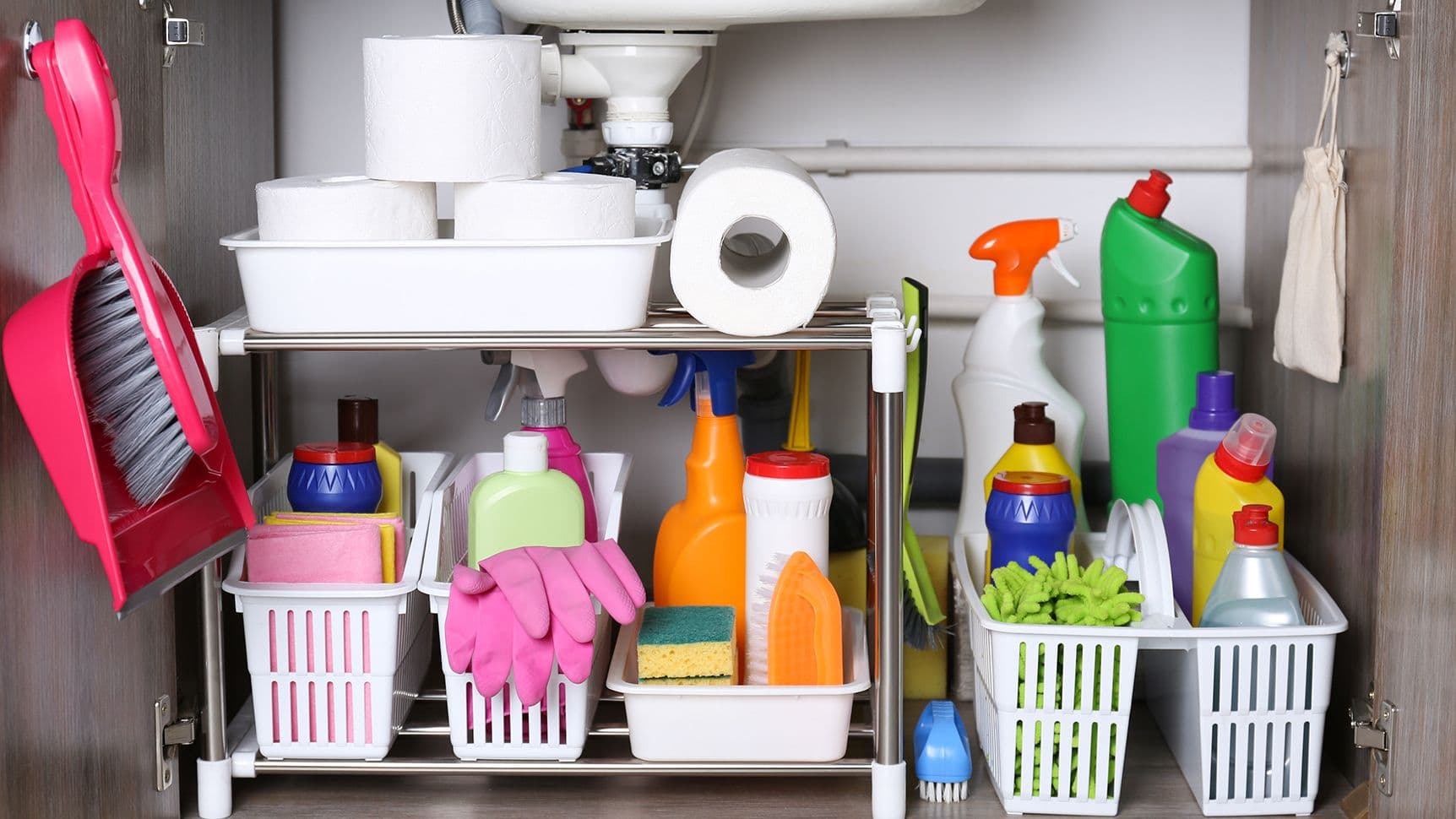
Cleaning products (including bleach and disinfectants)
Household detergents (including laundry detergents, dishwasher detergents and fabric softeners)
Topical creams and ointments
Nicotine products (including cigarettes, tobacco, nicotine pouches, nicotine gum, patches and vaping products)
Essential oils and reed diffusers
Fertilisers and weed killers
Batteries

Signs of Poisoning in Your Cat and What to Do
The signs of household product poisoning vary depending on the product and the extent of exposure. Some cats develop signs within minutes, while others may not become unwell for several hours.
Common signs include:
Excessive drooling
Tremors or seizures
If you know or suspect your cat has been exposed to a toxic household product, contact your vet immediately, even if they are not yet showing any signs of illness.
What to do if you suspect poisoning
If you think your cat has been exposed to a toxic household product:
Prevent your cat from further exposure.
If the product is on your cat's skin or coat, rinse it off with plenty of lukewarm water if it is safe to do so.
Keep the product packaging or container, if possible.
Contact your vet immediately for advice.
Follow your vet's advice.
Household Products – Poisoning Prevention Tips
You can reduce the risk of household product poisoning by:
Never using a dog flea treatment on a cat and keeping cats away from recently treated dogs until the product has dried, following the manufacturer’s advice
Storing household products securely and out of your cat's reach.
Keeping cats away from areas while cleaning products or chemicals are being used.
Storing chemicals in their original containers.
Cleaning up spills immediately.
Keeping bins and cupboards containing household products securely closed.
Written by Gill Burkhill, Veterinary Surgeon, Animal Trust Vets CIC | Published August 2026 | Review date August 2029 | This advice is for UK pets only and is not a replacement for seeing a vet