
Guide to Medications That Are Toxic to Cats - When to Seek Emergency Vet Care
Medications, which are not meant for them, can be dangerous for cats, even in very small amounts. Cats may be exposed by accidentally ingesting pills, creams, or other medications, or by coming into contact with residues on surfaces.
When a cat is exposed to a toxic medication, symptoms can range from mild digestive upset or lethargy to severe reactions, including seizures or even death. Some medications have specific antidotes that can counteract their effects, while others require supportive care, such as fluids, supplements, or medications to manage symptoms and prevent further absorption.
While cats are often more cautious than dogs, accidental ingestion of human medications is a common cause of poisoning and should always be treated as a medical emergency. If you think your cat has been exposed to any human medication, contact your vet immediately. Early treatment can significantly improve the outcome.
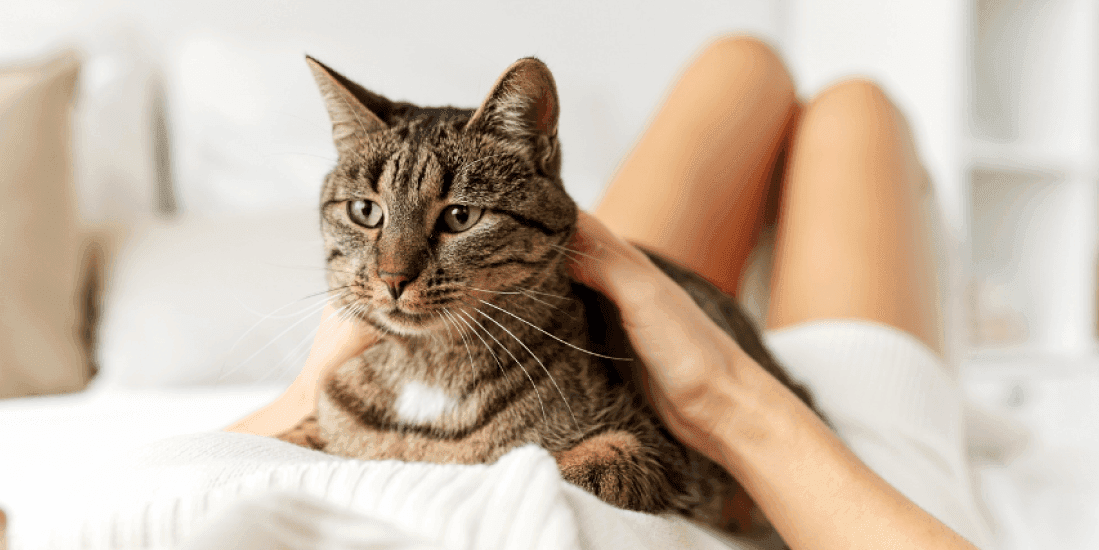

Common Medications That Are Toxic to Cats
Flea and tick medication poisoning:
Pyrethroids are not safe to use on cats. Pyrethroid is permethrin are the most common topical flea and tick preparations. Toxicity commonly occurs after a canine flea/tick medication is applied to a cat. Never give your cat flea and tick medication manufactured for a dog.
Human medication poisoning:
Antidepressants, cats are attracted to a smell or flavour in the human antidepressant.
Anti-inflammatory medications, these are highly toxic to cats. Ingestion of less than half a pill can be fatal. These medications cause stomach ulcers and rapid, severe kidney failure.
Vitamin D overdose: Vitamin D2 and vitamin D3, these forms of vitamin D are also found in topical psoriasis medications and improperly formulated pet-food diets, either commercially produced or homemade.

Signs of Poisoning in Your Cat and What to Do
The signs of medication poisoning vary depending on the type of medication and the extent of exposure. Some cats become unwell within minutes, while others may not develop signs for several hours.
Common signs include:
Excessive drooling
Tremors or seizures
If you know or suspect your cat has been exposed to any human medication, contact your vet immediately, even if they are not yet showing any signs of illness.
What to do if you suspect poisoning
If you think your cat has been exposed to human medication:
Prevent your cat from further exposure.
Keep the medication packaging or container, if possible.
Contact your vet immediately for advice.
Tell your vet the name of the medication, the strength (if known) and approximately how much may have been swallowed.
Follow your vet's advice.
Medications – Poisoning Prevention Tips
Keeping all medicines in secure cupboards out of your cat's reach.
Never giving your cat human medication unless specifically advised by your vet.
Returning medicines to their original containers after use.
Clearing up dropped tablets or capsules immediately.
Keeping handbags, pill organisers, dosette boxes and medication packs out of your cat's reach.
Written by Gill Burkhill, Veterinary Surgeon, Animal Trust Vets CIC | Published July 2026 | Review date July 2029 | This advice is for UK pets only and is not a replacement for seeing a vet