
Heatstroke in Cats - A Veterinary Emergency
Heatstroke is a life-threatening condition that occurs when a cat's body temperature rises to dangerously high levels, and they are unable to cool themselves effectively.
Although heatstroke is less common in cats than dogs, it can still occur, particularly if a cat becomes trapped in a hot environment, such as a shed, greenhouse or garage, or has limited access to shade and water during hot weather.
Cats normally help regulate their body temperature by seeking shade and grooming themselves. However, in very hot conditions, these cooling mechanisms may not be enough.
Flat-faced (brachycephalic) breeds, such as Persians, as well as elderly, overweight and unwell cats, and kittens, may be at greater risk of developing heatstroke.
Without prompt treatment, heatstroke can rapidly lead to organ damage and may be fatal.
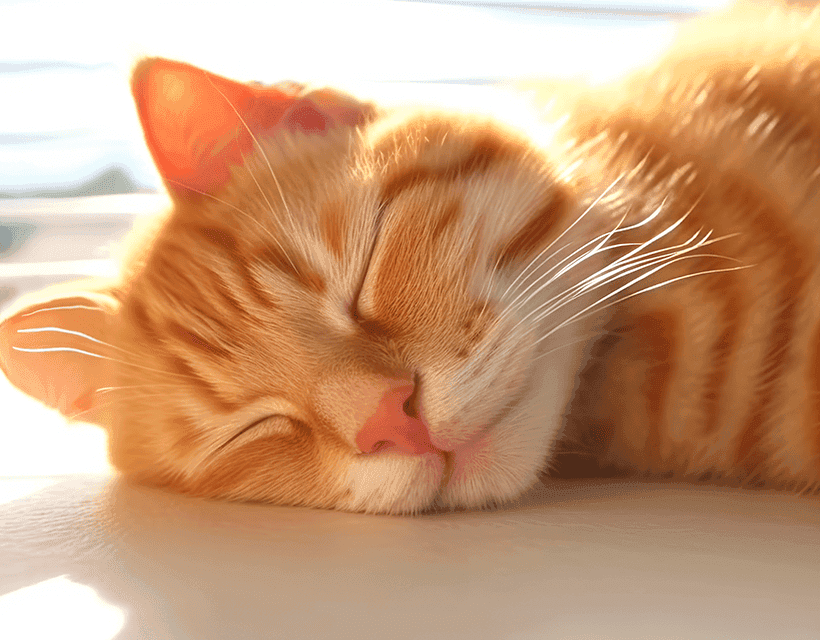
Heatstroke in Cats: Symptoms, Treatment and Prevention
Heatstroke is a life-threatening emergency.
If you think your cat may have heatstroke, contact your vet immediately, even if their symptoms seem mild or they begin to improve while being cooled. Begin cooling your cat straight away and continue this while travelling to the veterinary practice if it is safe to do so.
Your vet will diagnose heatstroke based on your cat's history, clinical examination and body temperature.
Blood tests are often recommended to assess organ function and identify complications caused by heatstroke. Depending on your cat's condition, additional tests may be needed to assess the heart, kidneys or other organs.
Heatstroke requires immediate treatment. While you are arranging veterinary care, begin cooling your cat straight away.
Move your cat to a cool, shaded area or a well-ventilated room. Gently pour cold tap water over their body and create airflow with a fan if available. Offer fresh water if they are able to drink, but do not force them. Continue cooling your cat while travelling to the veterinary practice if it is safe to do so. If travelling by car, use the air conditioning if available or keep the vehicle well-ventilated by opening the windows, ensuring your cat remains securely contained.
At the veterinary practice, treatment focuses on safely lowering your cat's body temperature and treating any complications. Your cat may need intravenous fluids, oxygen therapy, medication and close monitoring. Blood tests may be recommended to assess for organ damage. In more severe cases, hospitalisation may be required to provide ongoing treatment and monitoring.
You can help reduce your cat's risk of heatstroke by:
Providing constant access to fresh drinking water and shaded, cool areas.
Never leaving your cat in a parked car, even for a short time.
Avoiding unnecessary travel during hot weather. If travel is unavoidable, keep the vehicle cool and well ventilated.
Ensuring your cat cannot become trapped in hot places such as sheds, garages, greenhouses or conservatories.
Taking extra care with cats that are at greater risk of heatstroke, including flat-faced (brachycephalic), elderly, overweight and unwell cats, and kittens.
Further reading: Protecting your Cat from Heatstroke
The outlook for cats with heatstroke depends on how quickly treatment is started and the severity of the condition.
Cats that are cooled promptly and receive early veterinary treatment often make a good recovery. However, severe heatstroke can cause damage to the brain and other organs, which may affect the long-term outlook. In the most severe cases, heatstroke can be fatal.
Your vet may recommend follow-up examinations or blood tests after your cat has recovered to check for any ongoing effects of heatstroke.
Written by Gillian Burkhill, Veterinary Surgeon, Animal Trust Vets CIC | Published August 2026 | Review date August 2029 | This advice is for UK pets only and is not a replacement for seeing a vet