
Symptom: Weakness – When Should I Contact a Vet?
Signs that my pet is suffering from weakness
Weakness can develop suddenly or gradually and may affect one or more limbs, or your pet's whole body. It can be caused by many different conditions, ranging from muscle or joint problems to serious illnesses affecting the heart, brain or other organs. Sudden or severe weakness should always be assessed by a vet without delay.
Common signs include:
Difficulty standing, walking or climbing stairs
An unsteady gait, wobbliness or poor coordination
Tiring more quickly than usual or reluctance to exercise
Dragging a paw or one or more limbs
Collapse or being unable to stand
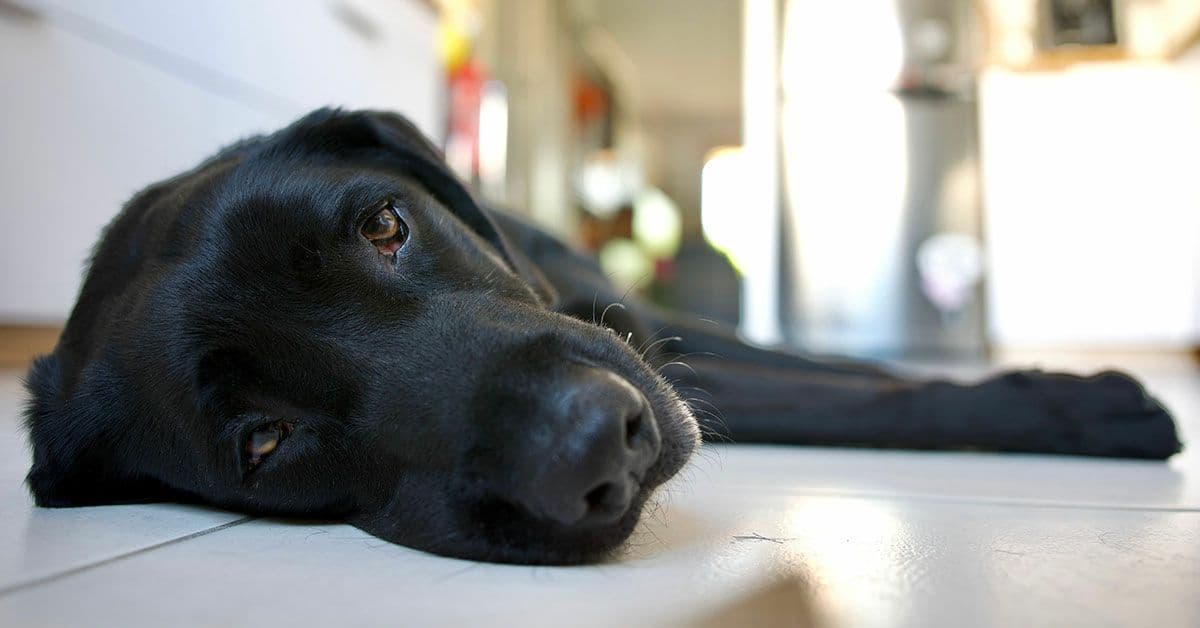
Why is my pet suffering from weakness? Frequently asked questions
- Pain or injury: Muscle injuries, arthritis, fractures or other orthopaedic problems can make your pet appear weak or reluctant to move.
- Heart disease: Heart problems can reduce blood flow and cause weakness, exercise intolerance or collapse.
- Neurological disorders: Diseases affecting the brain, spinal cord or nerves can cause weakness, wobbliness or paralysis.
- Underlying medical conditions: Illnesses such as kidney disease, liver disease, diabetes or severe infections can cause generalised weakness.
- Toxins: Some poisons and medications can rapidly cause weakness and collapse.
Further reading: Diabetes in Cats, Diabetes in Dogs, Kidney Disease in Cats
- If your pet is suddenly weak, unable to stand or has collapsed, contact your vet immediately.
- Keep your pet calm and allow them to rest in a quiet, comfortable area.
- Help your pet if they are struggling to walk but avoid forcing them to move if it appears painful.
- Arrange a prompt appointment with your vet, even if the weakness is mild or seems to improve.
- Don't force your pet to walk, exercise or climb stairs if they appear weak or are struggling to move.
- Don't leave your pet unattended on stairs, furniture or slippery floors if they are weak or unsteady.
- Don't delay contacting your vet if your pet's weakness is severe, getting worse, or accompanied by other symptoms.
- Don't assume the weakness will resolve on its own, even if your pet seems to improve.
Seek immediate veterinary attention if your pet:
- Suddenly becomes weak, collapses or is unable to stand.
- Has weakness together with difficulty breathing.
- Has weakness after a known or suspected toxin exposure or injury.
- Has weakness together with seizures, severe pain or uncontrolled bleeding.
- Becomes increasingly weak, unresponsive or difficult to wake.
Even if the weakness develops gradually or seems to improve, it should always be assessed by your vet, as it may be a sign of an underlying medical condition.
Written by Gillian Burkhill, Veterinary Surgeon, Animal Trust Vets CIC | Published July 2026 | Review date July 2029 | This advice is for UK pets only and is not a replacement for seeing a vet