

What is Pancreatitis in Cats
Pancreatitis in cats is a common but often subtle condition that can cause reduced appetite, lethargy and digestive upset. Because the signs are vague, it can sometimes be difficult to recognise early. Prompt veterinary assessment improves outcomes.
Pancreatitis is inflammation of the pancreas and is common in cats. The pancreas is a small but very important organ that sits near the stomach and small intestine. It produces digestive enzymes and hormones such as insulin, which regulate blood sugar. When it becomes inflamed, cats can feel unwell and may lose their appetite.
In cats, pancreatitis often looks different to the condition in dogs. It is frequently more subtle and may develop gradually rather than suddenly. Some cases are mild and self-limiting, while others can become more serious and require hospital care.
Pancreatitis in cats may be acute (sudden in onset) or chronic (long-standing and often intermittent). Acute cases can cause more dramatic illness, while chronic pancreatitis may produce vague, recurring signs such as reduced appetite or weight loss. Some cats move between these patterns over time.
In many cats, no clear cause is identified. Possible contributing factors include:
- Inflammatory bowel disease
- Liver or bile duct inflammation
- Diabetes
- Trauma
- Occasionally, infection
Written by Gillian Burkhill, Veterinary Surgeon, Animal Trust Vets CIC | Published May 2026 | Review date May 2029 | This advice is for UK pets only and is not a replacement for seeing a vet

Symptoms of Pancreatitis in Cats
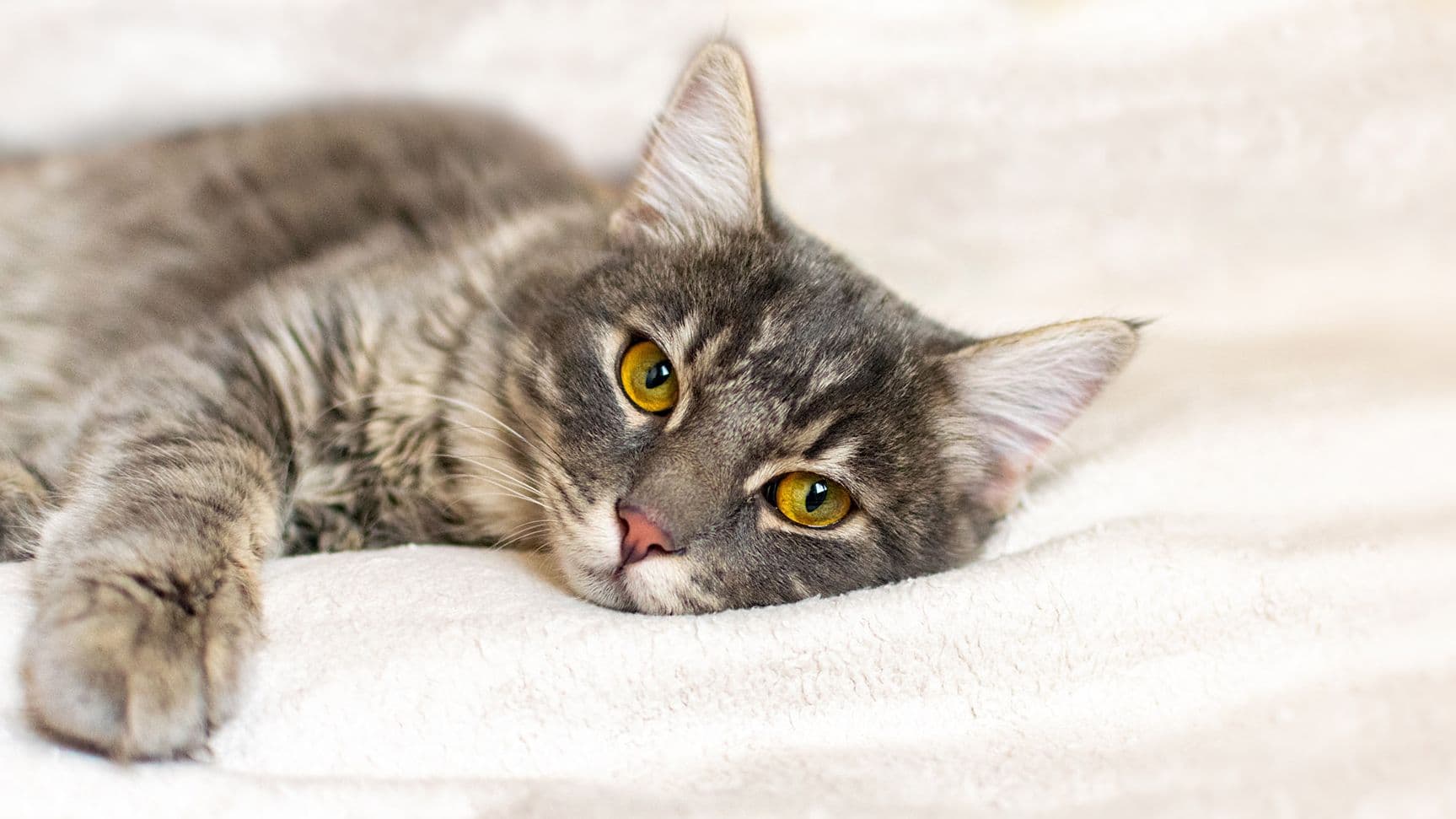
The signs of pancreatitis in cats are often vague.
Common symptoms include:
Pancreatitis can be very painful but, unlike dogs, many cats do not show obvious abdominal pain. They may simply seem quiet, withdrawn or not themselves. Because cats are very good at hiding illness, even subtle changes should be taken seriously.
When to contact your vet
You should contact your vet if your cat:
Stops eating or eats very little
Seems unusually quiet or withdrawn
Is vomiting repeatedly
Appears weak
Shows any sudden or marked change in behaviour
Cats who stop eating are at risk of developing secondary liver problems, so early assessment is especially important.
Diagnosis
There is no single test that confirms pancreatitis in every cat.
Diagnosis is based on a combination of:
Physical examination
Blood tests, including pancreatic enzyme tests
Abdominal ultrasound
Because signs can be subtle and overlap with other conditions, diagnosing pancreatitis in cats can sometimes take time.
Treatment of Pancreatitis in Cats
Treatment depends on severity but focuses on supportive care and maintaining appetite and hydration:
Fluid therapy: dehydrated cats may require intravenous fluids to restore hydration and support circulation.
Pain relief: even if pain is not obvious, pancreatitis can be uncomfortable. Appropriate pain relief is important for recovery.
Anti-nausea medication: controlling nausea helps improve comfort and encourages eating.
Nutrition: maintaining food intake is particularly important in cats. Cats that stop eating are at risk of developing hepatic lipidosis (fatty liver disease), which can be serious. Small, frequent meals of a highly digestible diet are often recommended. If a cat will not eat, treatment with drugs to stimulate appetite or tube feeding may be necessary to support recovery.
Managing associated conditions. If other inflammatory conditions such as liver or intestinal disease are present, these may require additional treatment.
Prevention of Pancreatitis in Cats
In many cases, pancreatitis cannot be prevented. However, maintaining a healthy weight, feeding a balanced diet, and managing underlying medical conditions may help reduce risk. Regular veterinary check-ups can help detect related conditions early.
Outlook
The outlook depends on severity and whether other organs are involved. Many cats with mild or chronic pancreatitis can be managed successfully, although some may experience ongoing or recurring episodes. More severe cases require hospital care and closer monitoring. Early recognition and prompt treatment significantly improve outcomes, and many cats recover well with appropriate veterinary care.