
Symptom: Flaky Skin – Why does my pet have flaky skin?
What are the signs that my pet has dry, flaky skin or dandruff?
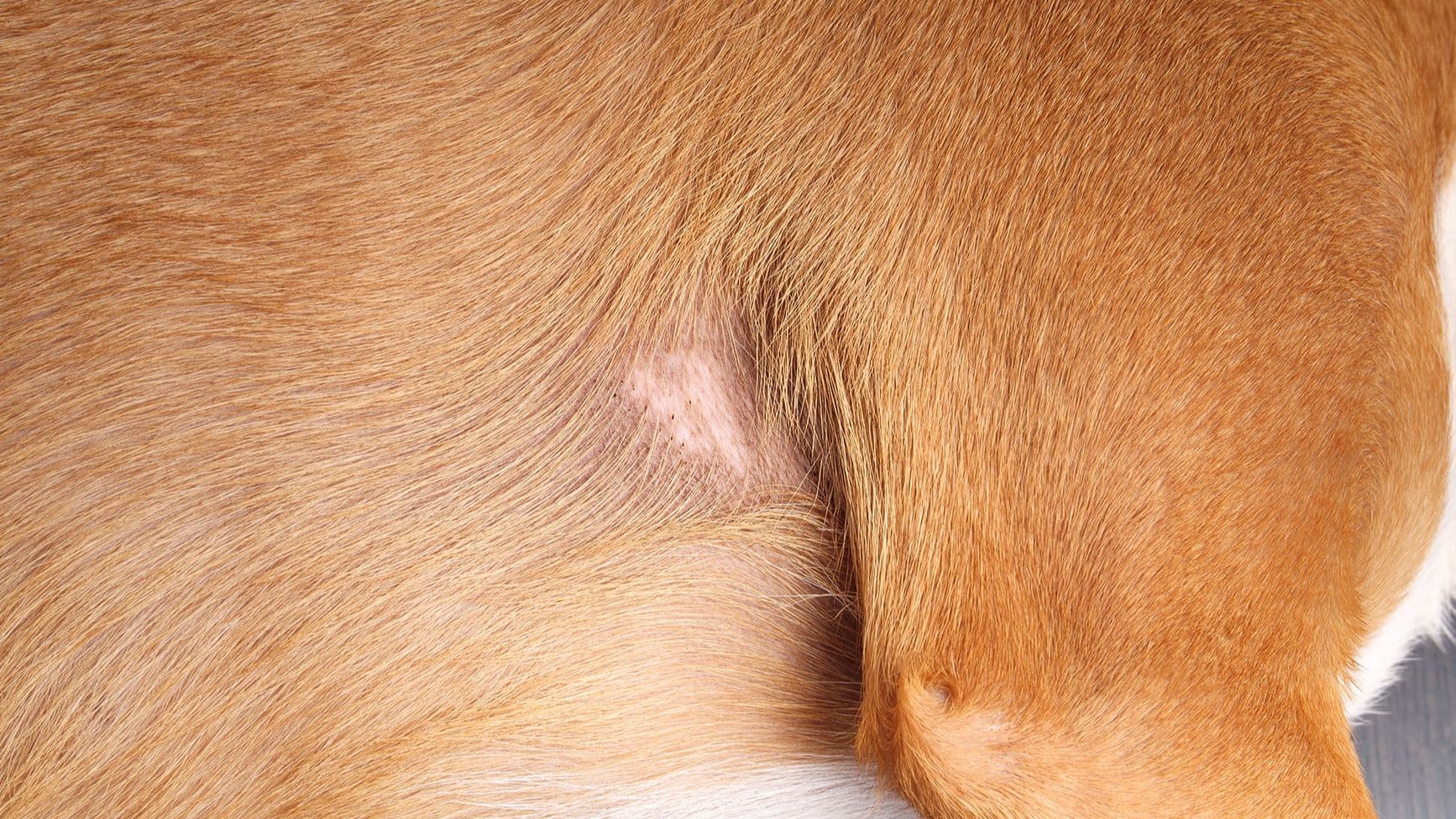
Dry skin and dandruff can appear as white flakes in the coat or on bedding, often with a dull or slightly rough hair coat. Some pets may also have mild itching, excessive grooming, or areas of hair thinning. In more noticeable cases, the skin may look dry, scaly or slightly greasy depending on the underlying cause.
Written by Gillian Burkhill, Veterinary Surgeon, Animal Trust Vets CIC
Published June 2026 | Review date June 2029
This advice is for UK pets only and is not a replacement for seeing a vet
My pet has flaky skin - Frequently asked questions
Dry skin and dandruff can be caused by a range of factors, including:
- Poor grooming or infrequent brushing
- Parasites such as fleas, ticks, and mites
- Allergies (food allergies or environmental)
- Underlying skin infections
- Poor diet or nutritional imbalances
- Underlying medical conditions such as hormonal imbalances (like hypothyroidism), autoimmune diseases, or diabetes
- Environmental factors such as dry indoor heating or cold weather may contribute to mild dryness
- Brush your pet regularly to help remove loose flakes
- Ensure a balanced, good-quality diet
- Use parasite prevention as recommended by your vet
- Consider a pet-safe moisturising or veterinary-recommended shampoo if advised
- Don’t use human shampoos or medicated products without veterinary advice
- Don’t ignore persistent or worsening signs
- Don’t over-bathe your pet, as this can worsen dryness
- Don’t assume it is “just dry skin” if there is itching, redness or hair loss
- Don’t apply oils or home remedies without checking suitability for pets
Contact your vet if your pet’s dry skin or dandruff is persistent, worsening, or accompanied by itching, redness, hair loss, odour or discomfort. Veterinary advice is also important if multiple pets in the household are affected or if there are signs of underlying illness.