
Symptom: Pale Gums - A Vet Emergency
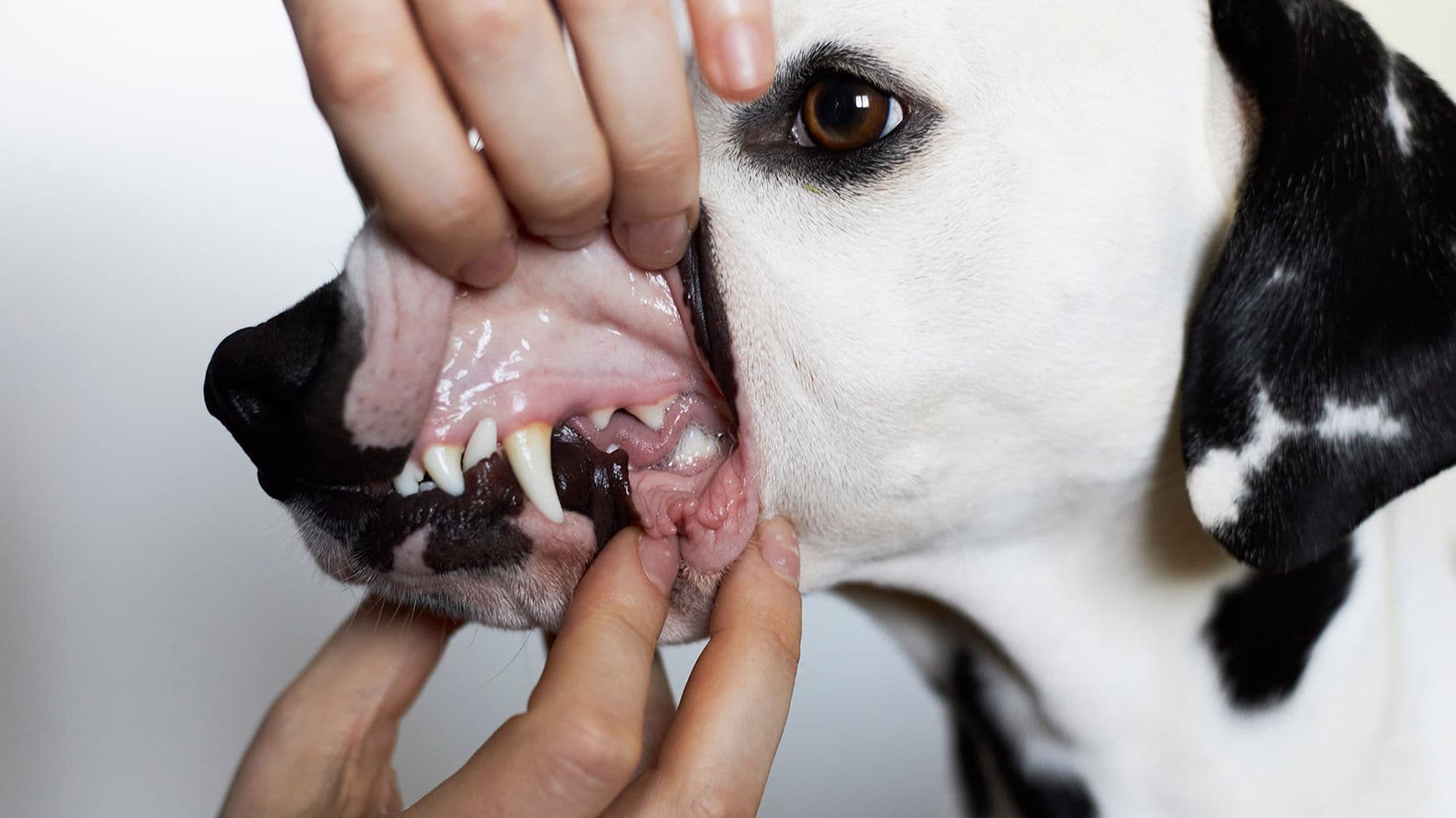
Healthy gums are usually a salmon pink colour (although some pets naturally have black or pigmented gums). Pale, white or grey gums are not normal and may be a sign of a serious underlying problem requiring urgent veterinary attention.
What are the signs of pale gums in pets?
Gums that appear pale pink, white or grey instead of their normal colour
Rapid or difficult breathing
Cold paws or ears
Tiredness or reluctance to exercise
Why does my pet have pale gums? Frequently asked questions
- Blood loss: Bleeding from an injury or internal bleeding can cause the gums to become pale very quickly.
- Anaemia: A low red blood cell count can develop for many reasons, including blood loss, immune-mediated disease, parasites and chronic illness.
- Shock: Severe illness, trauma or a serious allergic reaction (anaphylaxis) can reduce blood flow to the gums.
- Heart disease: Some heart conditions can reduce circulation and lead to pale gums.
- Other underlying medical conditions: Kidney disease, toxins, clotting disorders and other serious illnesses can also cause pale gums.
Further reading: Splenic Tumours in Dogs, Kidney Disease in Cats
- If your pet has pale, white or grey gums, contact your vet immediately.
- Keep your pet calm and as quiet as possible, especially if they seem weak or are struggling to breathe.
- Monitor your pet closely for other signs such as collapse, weakness, rapid breathing or bleeding.
- Transport your pet carefully and minimise unnecessary activity on the way to the vet.
- Don't wait to see if your pet's gum colour returns to normal on its own.
- Don't encourage your pet to exercise if they appear weak or unwell.
- Don't delay contacting your vet.
- Don't assume pale gums are normal, even if your pet otherwise seems well.
Seek immediate veterinary attention if your pet has pale, white or grey gums.
Pale gums are never normal and should always be assessed promptly by your vet.
Written by Gillian Burkhill, Veterinary Surgeon, Animal Trust Vets CIC | Published July 2026 | Review date July 2029 | This advice is for UK pets only and is not a replacement for seeing a vet