
Transporting Your Pet in an Emergency or After an Accident
Getting Your Pet to the Vet Safely
If your pet is experiencing an emergency, getting them to a vet as quickly and safely as possible is the priority. Pets that are injured, frightened or in pain may behave differently than normal, so taking a few simple precautions can help keep both you and your pet safe during the journey. If possible, call your vet before travelling so the emergency team can advise you, let you know where to travel to and prepare for your arrival.
Further reading: What to Expect at an Emergency Vet Visit
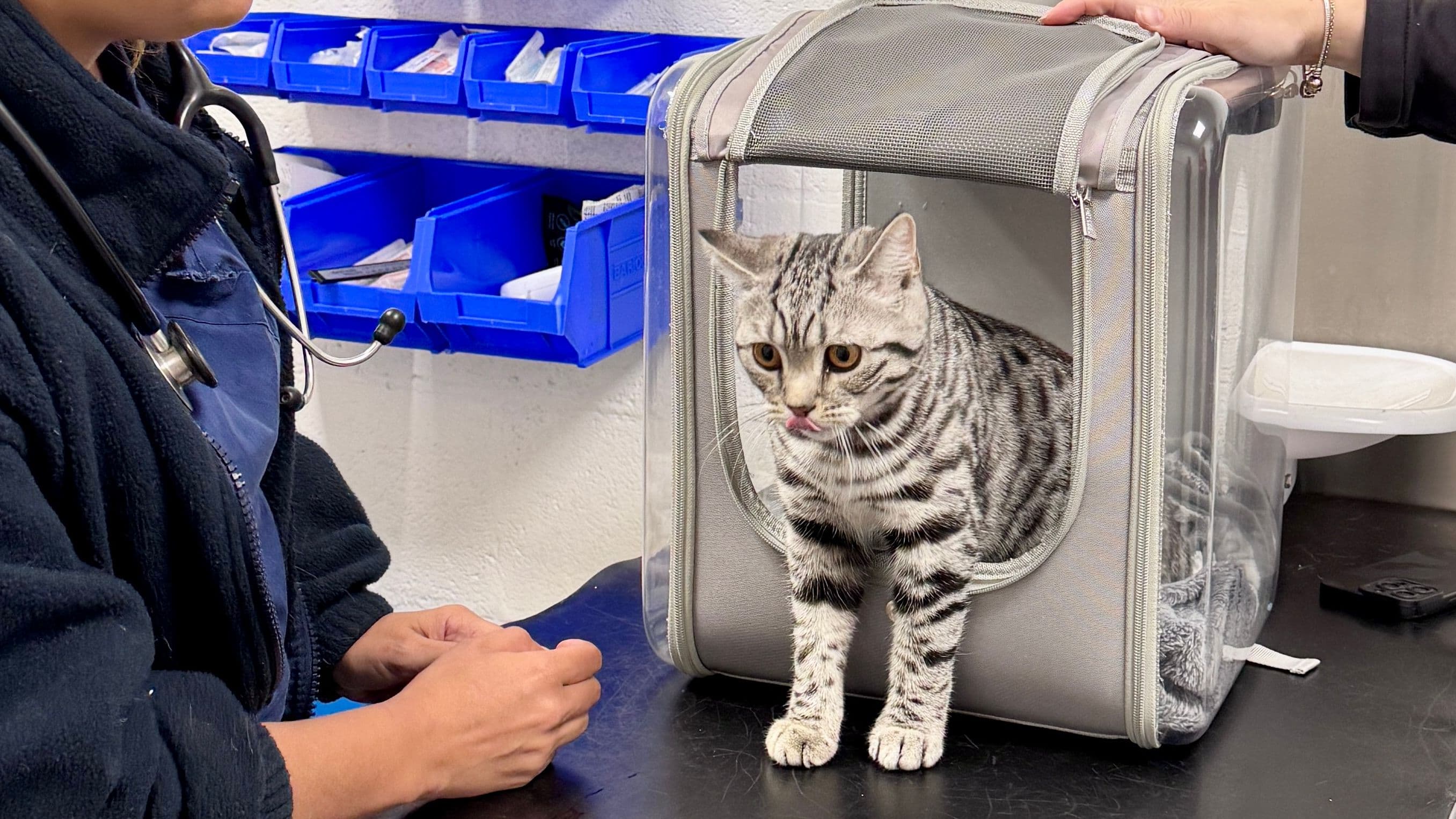
Keep Your Pet Safe During Transport
If your pet is injured, frightened or in pain, they may react differently than normal. Keeping your pet calm and limiting unnecessary movement can help reduce stress and avoid further injury during the journey.
Stay calm and speak softly to your pet
Keep noise and activity to a minimum
Avoid unnecessary handling
Travel directly to the veterinary hospital
If possible, ask someone to accompany you and assist during the journey
Even normally friendly pets may bite, scratch or struggle when they are in pain, so take care when handling them.
Dogs that are injured, weak or in pain may be reluctant to move and can react unexpectedly when handled. Always take care when handling an injured dog, as pain and fear can cause even the calmest and friendliest pets to bite.
If your dog can walk:
- Use a lead or secure harness
- Walk them slowly to the car
- Avoid unnecessary movement
If your dog cannot walk:
- Use a blanket, towel or other firm support as a stretcher if possible
- Support the whole body when lifting
- Ask another person to help if available
Cats that are frightened, injured or in pain may try to hide, escape or resist handling.
Whenever possible:
- Place your cat in a secure carrier or basket
- Line the carrier or basket with a towel or blanket
- Keep the carrier or basket level and secure during travel
- Keep noise and movement to a minimum
If a carrier or basket is not available:
- Gently wrap your cat in a towel or blanket
- Place them in a secure box or container for transport if safe to do so
Do not allow your cat to travel loose in the car, as this may increase stress and the risk of injury.
If your pet has been hit by a car or suffered a significant injury, try to minimise movement as much as possible during transport.
- Move your pet carefully and only when necessary
- Support the whole body when lifting
- For cats and small pets, transport them in a secure carrier or basket if possible
- For larger pets, use a blanket, towel, stretcher or other firm support if available
- Travel directly to the veterinary hospital
Even if your pet appears well, serious internal injuries may not be immediately obvious. Prompt veterinary assessment is recommended following any major trauma.
Seeing your pet have a seizure can be frightening, but it is important to stay calm and keep them safe during and after the episode.
- Do not put your hands near your pet's mouth
- Move nearby objects that could cause injury if it is safe to do so
- Keep noise and activity to a minimum
- Once the seizure has stopped, transport your pet carefully to the vet
- If possible, have another person accompany you during the journey
If a seizure lasts longer than 3 minutes, or your pet has repeated seizures, seek emergency veterinary attention immediately.
If you think your pet may have eaten or been exposed to something toxic, seek veterinary advice immediately and transport them to the vet as soon as possible.
- If safe to do so, bring any packaging, labels or information about the suspected toxin
- Keep any remaining tablets, food or substances away from your pet
- Travel directly to the veterinary hospital
Do not attempt to make your pet vomit unless specifically advised by a veterinary professional.
Further reading: Cat & Dog Poisoning: Most Common Toxins
Heatstroke is a medical emergency, and rapid veterinary treatment is essential.
- Move your pet to a cooler environment if possible
- Offer small amounts of water if they are conscious and able to drink
- Use air conditioning in the car where available
- Travel directly to the veterinary hospital
If possible, call ahead so that the veterinary team can prepare for your arrival.
Further reading: Protecting Cats from Heatstroke, Protecting Dogs from Heatstroke
If your pet is bleeding heavily, seek veterinary attention immediately.
- Apply gentle pressure to the wound using a clean towel or dressing if it is safe to do so
- Keep movement to a minimum during transport
- Travel directly to the veterinary hospital
Do not delay seeking treatment while attempting to stop the bleeding completely.
Frequently Asked Questions: Signs Your Cat Needs Emergency Veterinary Care
Yes. If possible, contact your vet before travelling so the emergency team can advise you, let you know where to travel to and prepare for your arrival.
Avoid unnecessary movement and support your pet's body during transport. For cats and small pets, use a secure carrier or basket. For larger pets, a blanket, towel or other firm support may help you move them safely.
Yes. However, if another person is available, they may be able to help monitor and support your pet during the journey.
No. Unless specifically advised by a veterinary professional, do not offer food before an emergency appointment.
Your pet's safety comes first. Do not delay travelling to the vet to look for paperwork or other items.
If readily available, it can be helpful to bring:
Details of any medication your pet is taking
Information about the illness or injury
Packaging relating to any suspected toxin ingestion
If you do not have these items with you, please still seek veterinary attention immediately.
Continue travelling to the veterinary hospital and, if safe to do so, contact the veterinary team to let them know your pet's condition has changed.
Yes. Our Pet A&E service is open to everyone. No prior registration is required.
You can view our Pet A&E hospitals and contact details on our Pet A&E page. If possible, call before travelling so our emergency team can prepare for your arrival.
Written by Gillian Burkhill, Veterinary Surgeon, Animal Trust Vets CIC | Published July 2026 | Review date July 2029 | This advice is for UK pets only and is not a replacement for seeing a vet