
Protecting Your Dog from Heatstroke & When to Seek Emergency Care
Heatstroke is a serious, life-threatening emergency in dogs that can develop very quickly in warm weather, sometimes in conditions that don’t feel extreme to us.
It happens when a dog becomes too hot and cannot reduce its body temperature effectively. Even healthy dogs can be affected. Most cases occur during exercise in warm weather, but heatstroke can also develop if a dog is trapped in a hot environment, such as a car, conservatory, or garden without shade. Without prompt treatment, it can lead to organ failure and, in severe cases, death.
Written by Gill Burkhill, Veterinary Surgeon, Animal Trust Vets CIC | Published May 2026 | Review date May 2029 | This advice is for UK pets only and is not a replacement for seeing a vet
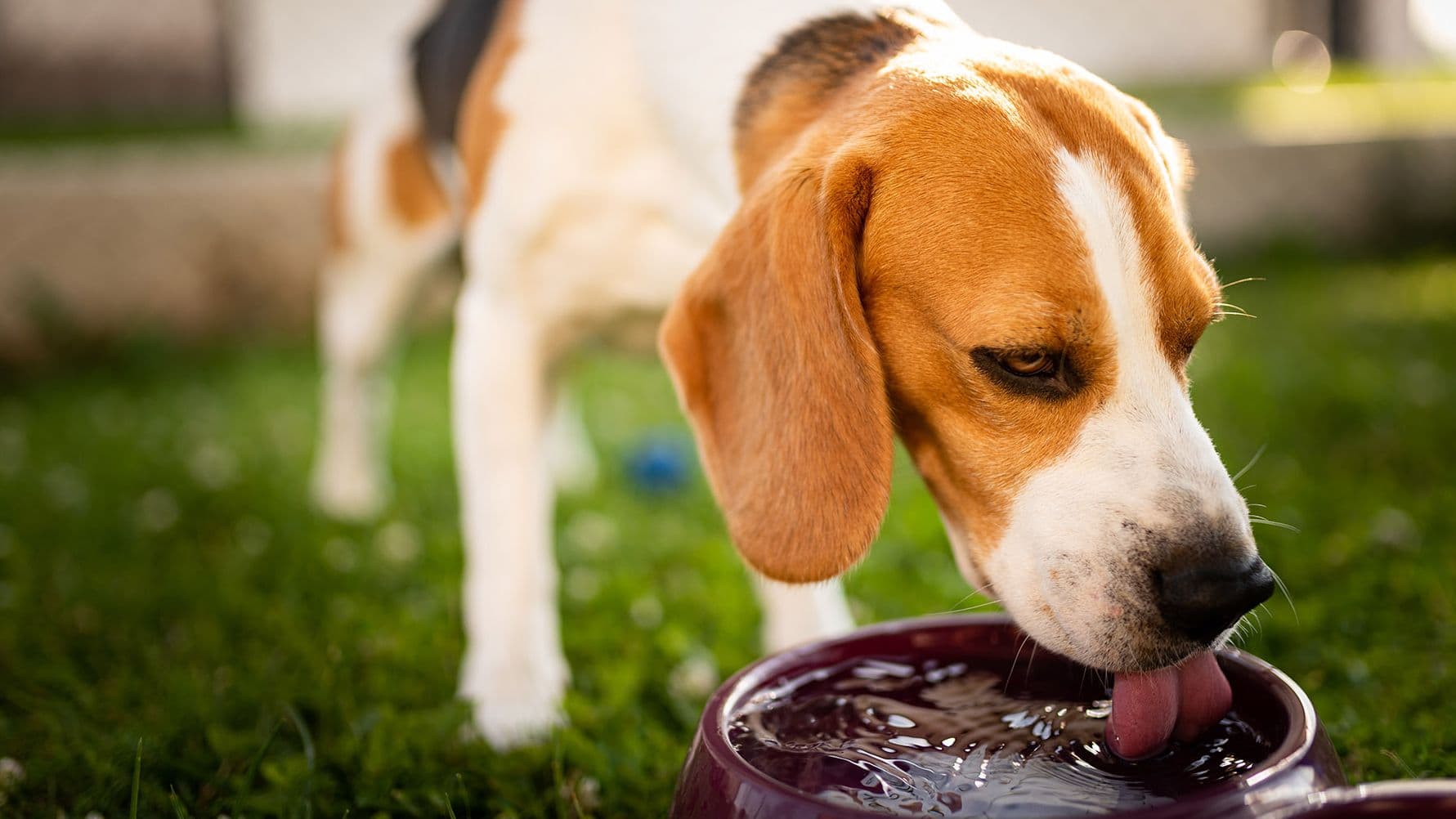
Common symptoms of heatstroke in dogs
These are some of the more common signs of heatstroke in dogs. If you suspect heatstroke, begin first aid and contact your vet as soon as possible.
Signs of heatstroke in dogs can worsen rapidly and may include:
Excessive panting or noisy breathing
Red or pale gums
Weakness or collapse
Confusion or disorientation
Some dogs are more susceptible to heatstroke, including brachycephalic (flat-faced) breeds such as Bulldogs and Pugs, older dogs, overweight dogs, dogs with underlying health conditions, and those with long or thick coats.
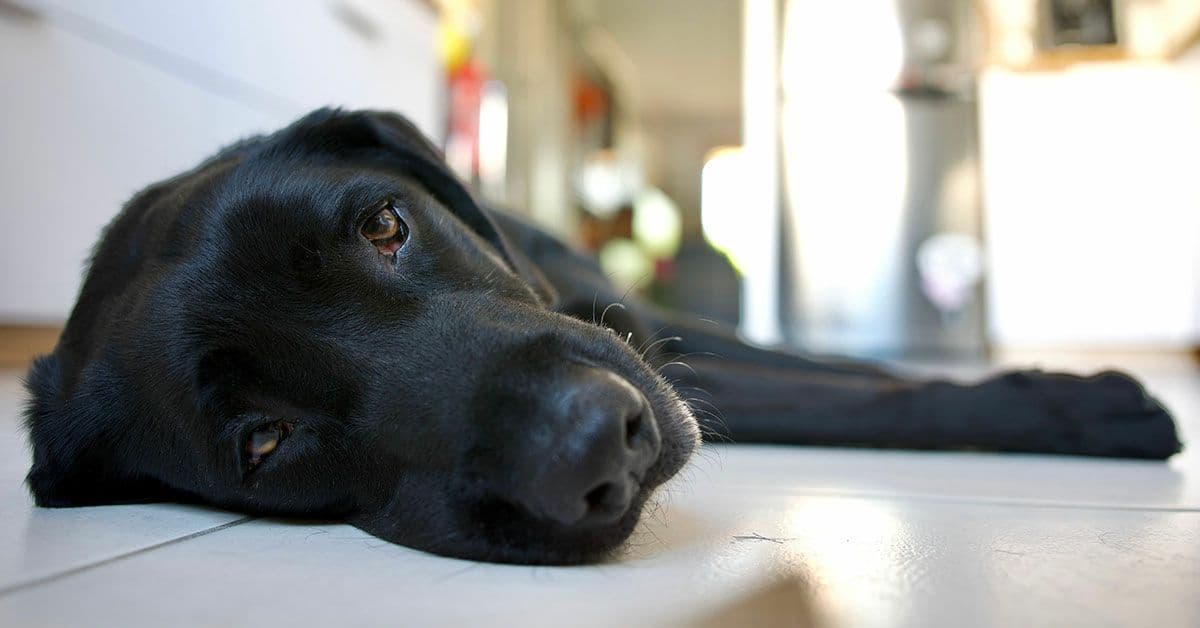
First aid for heatstroke in dogs
If you suspect your dog is showing signs of heatstroke, it's important to act quickly, but also to remain calm. Remember, the most effective first aid for heatstroke is to cool your dog down. By following these steps, you can significantly increase your dog's chances of recovery.
If your dog is outdoors, move them indoors to a cool room or into the shade.
Pour or hose cool (not icy) water over their entire body until they are completely soaked. Always run the water through the hose first to make sure it is cool. Do not use ice or ice-cold water, as this can cause blood vessels to constrict and may worsen overheating.
Once they are wet, create a breeze by opening your doors and windows or using a fan if you have one.
Call your vet as soon as possible
Once you have completed your first aid, it is essential that you go to your nearest vet. Contact them to let them know you have a dog with suspected heatstroke, so they are ready to see your pet as soon as you arrive. Travel to your vets in a cool, air-conditioned car (travel with windows open if air-conditioning is unavailable).
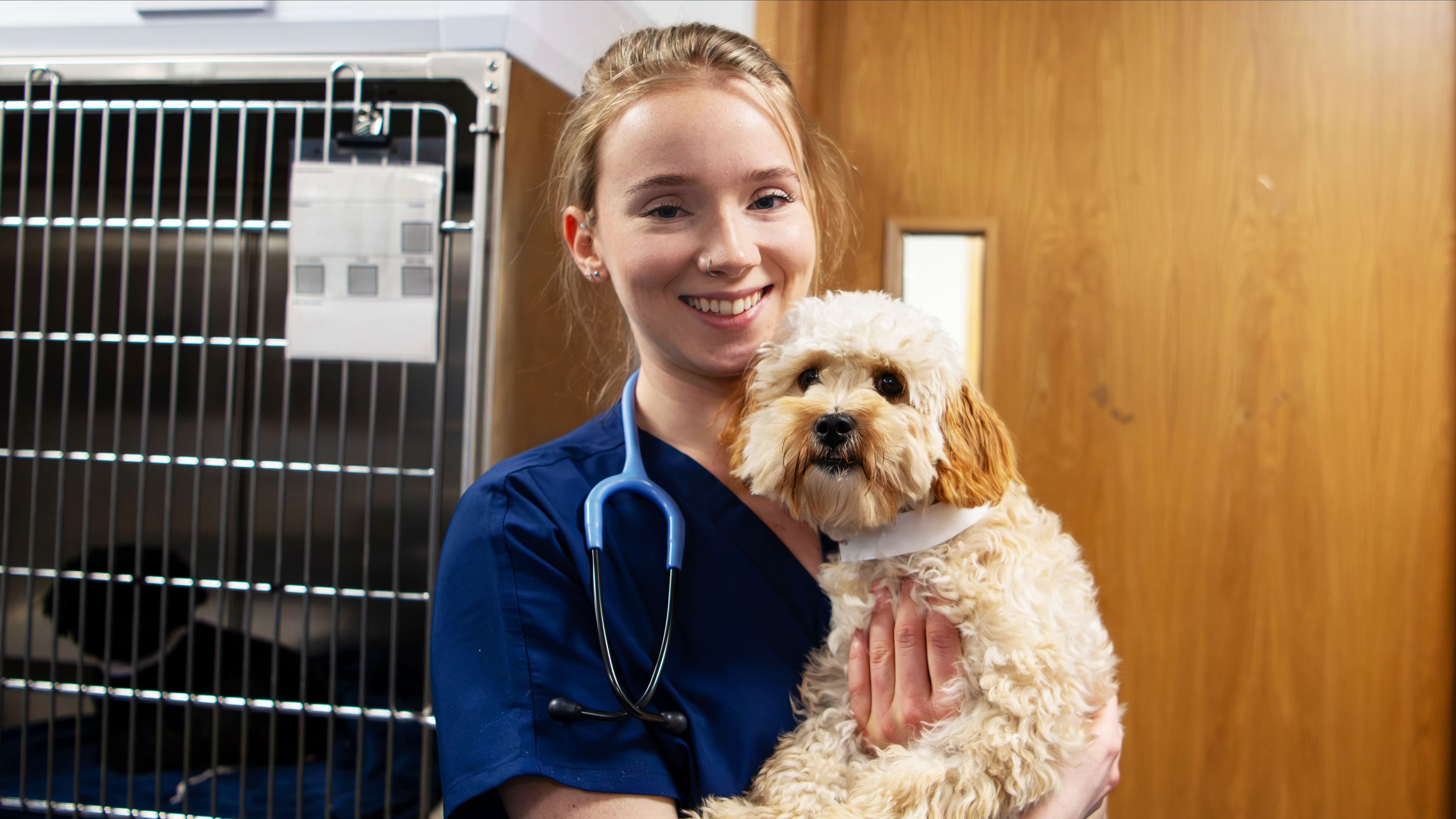
How will the vet treat my dog’s heatstroke?
Your vet will focus on reducing your dog’s temperature as quickly as possible, using water, fans, and, if necessary, a fluid drip. If your dog is so hot that it is struggling to breathe, experiencing seizures, or losing consciousness, it may also need oxygen, medication, or anaesthesia.
Severe heatstroke can cause other problems that aren’t visible, such as problems with blood clotting and damage to internal organs. If the vet believes your dog is showing signs of severe heatstroke, they may need to run some blood tests to check that their internal organs are working properly. In these circumstances, your dog may need to stay in the hospital to be monitored and receive medication.
Cost of heatstroke vet treatment
At Animal Trust, investigations and hospitalisation are provided at a fixed price, helping to reduce the stress of unexpected costs at an already worrying time.
Health outlook for your dog after heatstroke
If your dog suffered mild heatstroke and was cooled down quickly, it is unlikely to have any lasting problems and will probably recover fully. If, however, it had severe heatstroke and, as a result, had some organ damage or the treatment was delayed, then recovery is much less likely.
Tips to prevent heatstroke in dogs
Make sure your pet always has access to a cool, shaded area, both indoors and outside
Restrict exercise on warm days (dogs should be walked early in the morning or later in the evening to avoid the hottest part of the day)
Pack a water bottle on walks
Remember, hot pavements can burn paws
Never leave pets in a car or a hot room (e.g. conservatories)
Ensure your pet always has cool drinking water available