Dog and Cat Poisoning: Most Common Toxins
Accidental poisoning is a relatively common cause of emergency presentation in dogs and cats. Pets are frequently exposed to foods, medications, household products and garden chemicals that are safe for humans but potentially toxic to them.
The severity of poisoning depends on the substance involved, the dose, the route of exposure and the individual animal’s size and health status. Clinical signs may develop rapidly or may be delayed for several hours or even days.
Early recognition and prompt veterinary treatment significantly improve outcomes. If exposure to a potentially toxic substance is suspected, veterinary advice should be sought without delay.

Common Dog Poisons
Chocolate (theobromine)
Caffeine
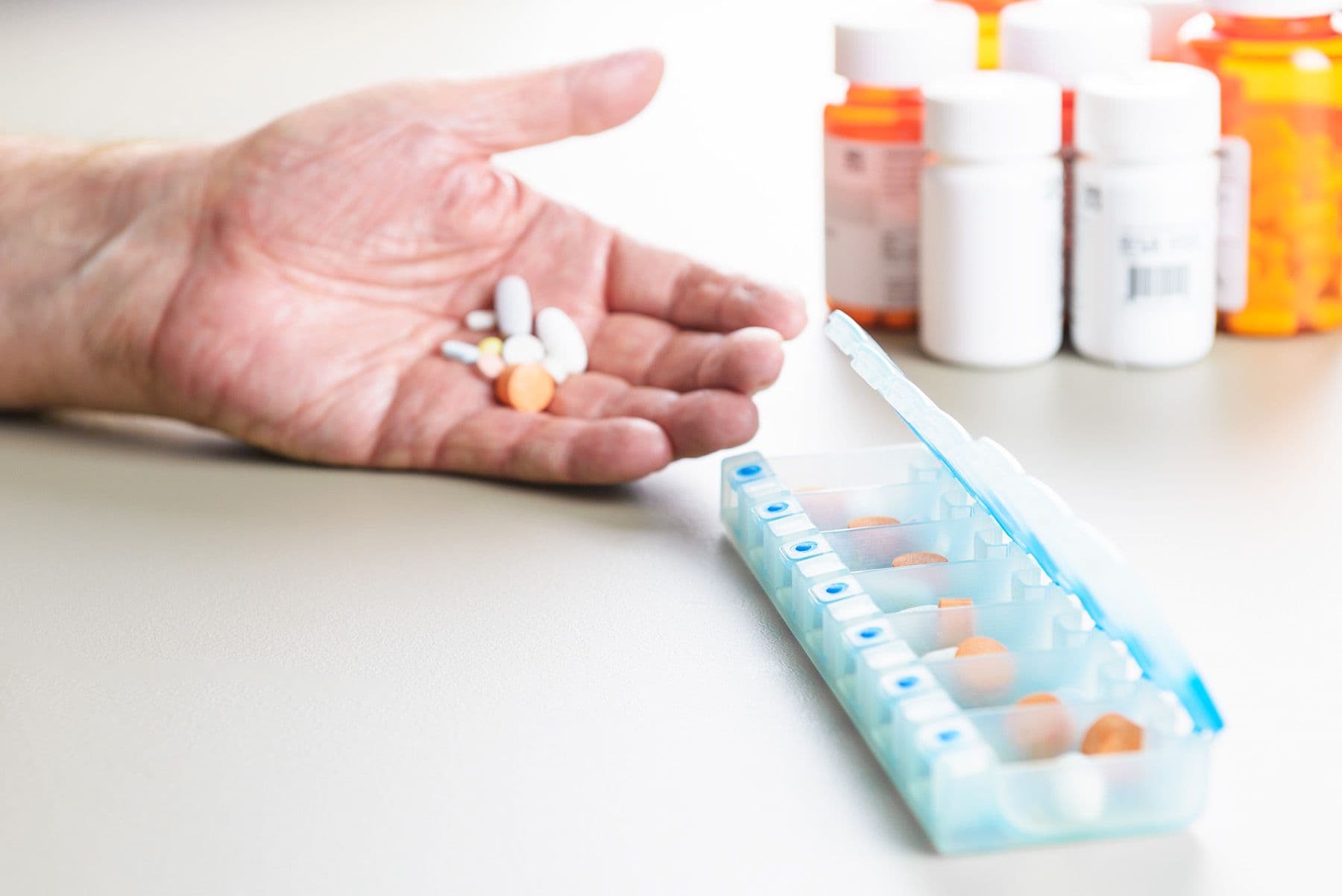
Human non-steroidal anti-inflammatory drugs (e.g. ibuprofen, naproxen)
Slug and snail pellets (metaldehyde)
Human prescription medicines (e.g. antidepressants, ADHD medications, heart medications)
Xylitol (artificial sweetener)
Vitamin D (some supplements including psoriasis creams)
Mouldy food
More reading:
Dog Poisons: Household Products
Dog Poisons: Chocolate
Dog Poisons: Human Foods
Dog Poisons: Human Medications
Common Cat Poisons
Human non-steroidal anti-inflammatory drugs- NSAIDs (e.g. ibuprofen)
Rodenticides (rat poison)
Household cleaning products (e.g. bleach, disinfectants)
Paint removers and solvents
More reading:
Cat Poisons: Plants
Cat Poisons: Household Products
Cat Poisons: Human Medication
Cat Poisons: Human Foods

Signs of poisoning in cats and dogs
Symptoms of poisoning can vary widely depending on the toxin involved. Some animals develop signs quickly, while in other cases clinical signs may be delayed. Common signs include:
Increased thirst or changes in urination
Agitation or unusual behaviour
Tremors or seizures
It is important to note that some pets may initially appear normal despite having eaten or encountered a harmful substance. Early assessment is therefore advised even if no obvious signs are present.
What to do if you suspect poisoning in your cat or dog
If you suspect your pet has swallowed something poisonous, take immediate action and follow these steps:
Stay calm
Contact your vet or your emergency out-of-hours vet immediately. Do not wait for clinical signs to appear.
Provide as much information as possible: It’s extremely helpful for your vet if you can provide an idea of when and how much of the toxic substance your pet ate and the packaging if you have it.
Follow the instructions given by your vet: Your vet will advise whether you should treat your pet at home or take them to the clinic. Treatment for poisoning may involve inducing vomiting with a veterinary-prescribed medication, administering activated charcoal to limit absorption or providing intravenous fluids and supportive care. You should never try and make your pet vomit yourself, as this can cause more harm if not done correctly.
Prevent further access to the suspected toxin while arranging veterinary assessment.
Preventing poisoning in your cat or dog
While not all exposures can be prevented, simple precautions significantly reduce risk.
Store medications and household chemicals securely and out of reach.
Keep handbags and human medications away from pets.
Avoid feeding human foods unless confirmed safe for pets.
Use only parasite treatments prescribed or recommended specifically for the species concerned.
Clean up antifreeze spills immediately and consider pet-safe alternatives where possible.
Secure bins, compost containers and food waste.
Check gardens for toxic plants and remove high-risk species where appropriate.
Supervise pets in unfamiliar environments, particularly during holidays or social events where food and decorations may be accessible.
Awareness, safe storage and prompt intervention remain the most effective ways to reduce the risk of accidental poisoning in dogs and cats.
Written by Gill Burkhill, Veterinary Surgeon, Animal Trust Vets CIC | Published March 2026 | Review date March 2029 | This advice is for UK pets only and is not a replacement for seeing a vet