
Animal Trust

Ear Disease and Infections in Cats

Ear disease is a common problem in cats and can affect the outer, middle or inner ear. It may be caused by ear mites, bacterial or yeast infections, foreign material, growths such as polyps, or less commonly by allergies or underlying skin disease. Bacterial and yeast infections often develop because of these underlying problems rather than being the primary cause. Without appropriate treatment, ear disease can become painful and, in severe cases, may lead to permanent damage to the ear canal or hearing. 

Ear Disease and Infections in Cats

Ear Disease and Infections in Cats: Symptoms, Treatment, Prevention

Cats with ear disease may show a range of signs, including: 

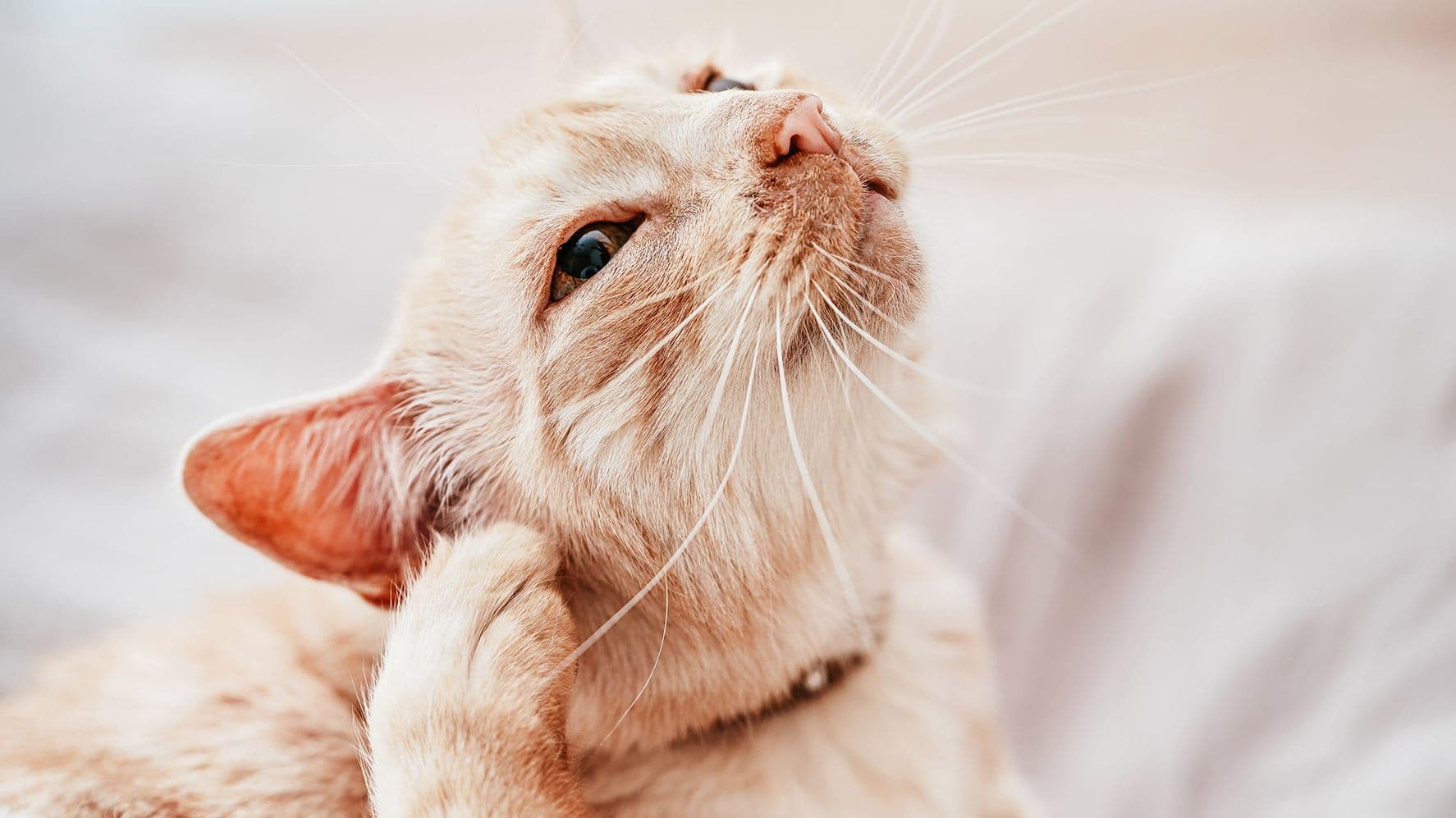
  • Scratching at the ears or rubbing the head 

  • Red, inflamed or swollen ears 

  • A bad smell from the ears 

  • Brown, yellow or black discharge 

  • Pain or sensitivity when the ears are touched 

Contact your vet if your cat is scratching its ears, shaking its head, has redness, discharge or an unpleasant smell from the ears, or seems painful when the ears are touched. Early treatment can help prevent the condition from becoming more painful or difficult to treat. 

Your vet may recommend: 

  • Examination of the ears using an otoscope to assess the ear canal and eardrum, where possible. 

  • Microscopic examination of ear discharge to identify bacteria, yeast or ear mites. 

  • Laboratory culture of ear discharge in recurrent or difficult-to-treat cases to help select the most appropriate medication. 

  • Sedation or anaesthesia if the ears are too painful to examine thoroughly or require cleaning. 

  • Further investigations if growths, polyps or disease affecting the middle or inner ear are suspected. 

Treatment will depend on the underlying cause and may include: 

  • Treatment for ear mites, if present. 

  • Ear cleaning, either at home or by your veterinary team where appropriate. 

  • Pain relief or anti-inflammatory medication if the ears are sore. 

  • Sedation or anaesthesia to allow thorough examination and cleaning of severely affected ears. 

  • Surgery may be recommended for cats with polyps, growths or other conditions that cannot be managed with medical treatment alone. 

Although not all ear disease can be prevented, the following measures may help reduce the risk: 

  • Check your cat's ears regularly for redness, discharge or an unpleasant smell. 

  • Use effective parasite prevention as recommended by your vet. 

  • Seek veterinary advice promptly if you notice head shaking, scratching or other signs of ear discomfort. 

  • Complete any prescribed treatment courses to help reduce the risk of recurrence. 

  • Attend follow-up examinations if recommended by your veterinary team. 

The outlook for most cats with ear disease is good when treatment is started promptly and the underlying cause is identified and managed. However, some cats develop recurrent or chronic ear problems that require ongoing treatment and monitoring. Early veterinary attention can help prevent long-term damage to the ear canal and improve your cat's comfort and quality of life. 

Author

Written by Gillian Burkhill, Veterinary Surgeon, Animal Trust Vets CIC | Published September 2026 | Review date September 2029 | This advice is for UK pets only and is not a replacement for seeing a vet

Concerned about your pet?