
Why dogs with BOAS struggle in hot weather
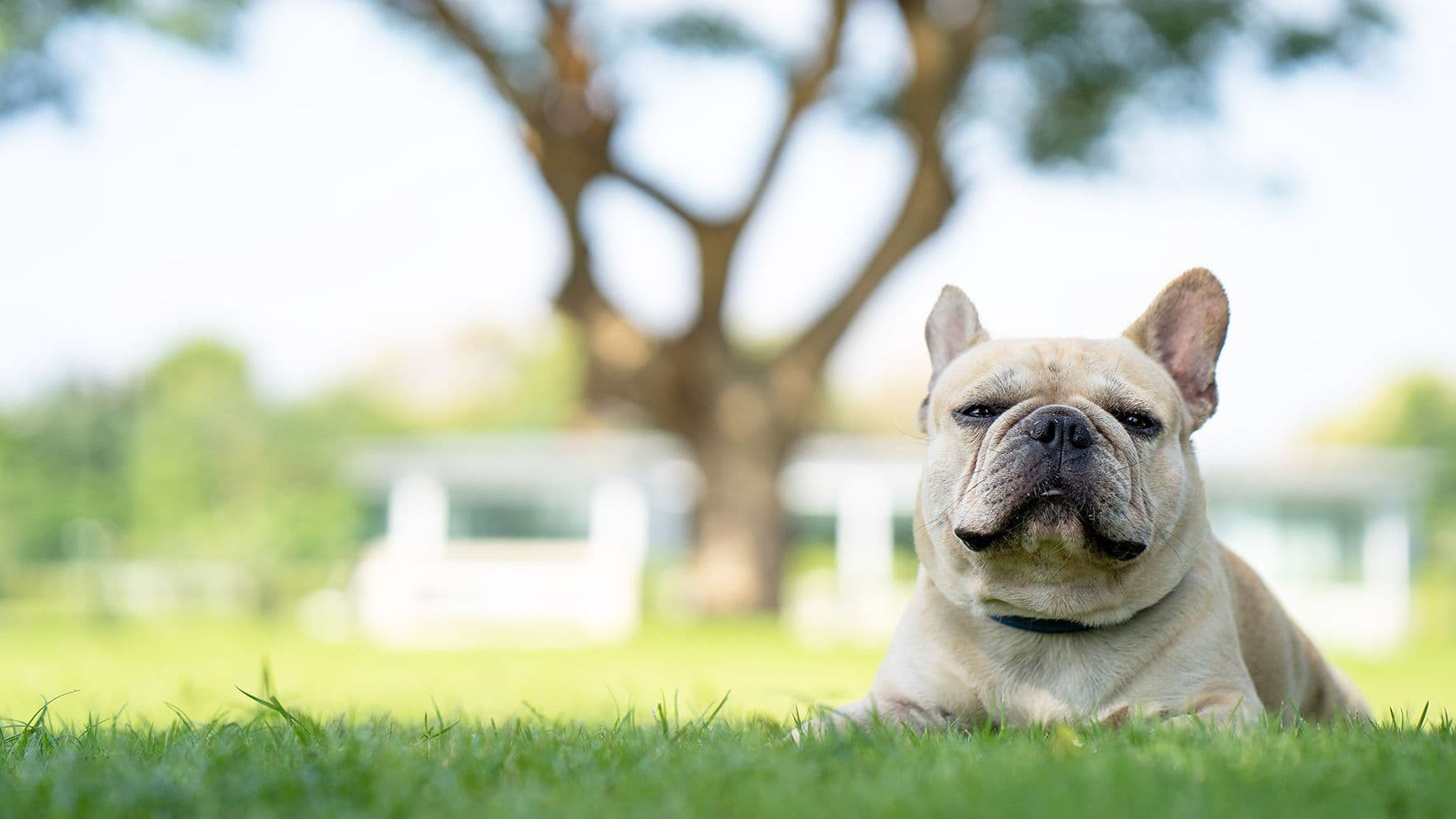
Dogs with Brachycephalic Obstructive Airway Syndrome (BOAS) are at increased risk of breathing difficulties and overheating during warm or humid weather. Flat-faced breeds such as Pugs, French Bulldogs and English Bulldogs already have narrowed airways that make breathing less efficient.
Common abnormalities associated with BOAS, including narrowed nostrils, an elongated soft palate and narrowing within the throat, can all restrict airflow and increase breathing effort.
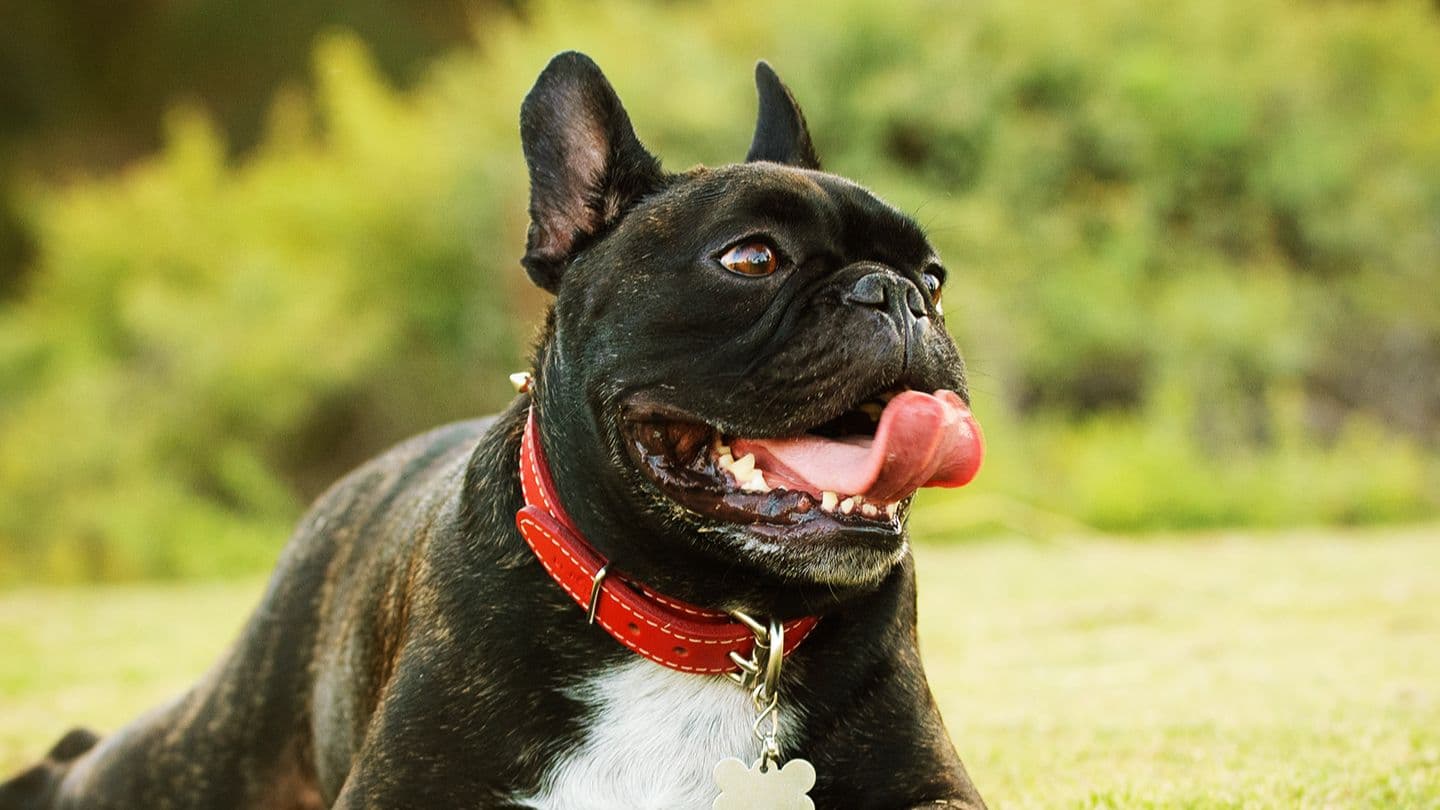
Dogs regulate their body temperature mainly through panting. Because dogs with BOAS cannot move air efficiently through the upper airways, panting is often much less effective, making it harder for them to cool themselves normally.
In warm weather, dogs with BOAS often need to breathe harder and faster in an attempt to cool themselves down. This increased effort can cause swelling within the airway, further narrowing the airway and making breathing even more difficult. This can create a dangerous cycle where overheating worsens airway obstruction, and airway obstruction makes it harder for the dog to cool down. In severe cases, this may lead to heatstroke or breathing collapse.
This is why dogs with BOAS may struggle much more than other dogs in warm weather, even during mild exercise or in temperatures that may not seem especially hot.
Written by Gill Burkhill, Veterinary Surgeon, Animal Trust Vets CIC | Published May 2026 | Review date May 2029 | This advice is for UK pets only and is not a replacement for seeing a vet
Signs your dog with BOAS may be struggling in hot weather
Dogs with BOAS may show worsening breathing difficulties very quickly in warm or humid weather. Signs can range from mild breathing distress to heatstroke in severe cases.
Signs to watch for include:
Excessive panting, noisy breathing or difficulty breathing
Reduced ability to exercise or tiring quickly
Struggling to cope in hot weather
Restlessness or inability to settle
Excessive drooling
Vomiting or regurgitation
Pale or blue gums
Weakness, confusion, fainting or collapse
Severe breathing difficulties, collapse, blue or pale gums, or signs of overheating should always be treated as a veterinary emergency.
What to do if your dog with BOAS is struggling to breathe or overheating
If you suspect your dog is showing signs of breathing difficulties or overheating, it's important to act quickly, but also to remain calm. Dogs with BOAS can deteriorate rapidly in warm weather because they are less able to cool themselves effectively through panting.
Before travelling to the vet, you should start the following first aid measures immediately:
If your dog is outdoors, move them indoors to a cool room or into the shade
Pour or hose cool (not icy) water over their entire body until they are completely soaked. Always run the water through the hose first to make sure it is cool
Do not use ice or ice-cold water, as this can cause blood vessels to constrict and may worsen overheating
Once they are wet, create a breeze by opening doors and windows or using a fan if you have one
After starting these first aid measures, contact your nearest vet immediately
Let them know you have a dog with BOAS that is struggling to breathe or showing signs of overheating, so they are ready to see your pet as soon as you arrive.
Travel to your vets in a cool, air-conditioned car (travel with windows open if air-conditioning is unavailable).
Preventing breathing difficulties and overheating in dogs with BOAS
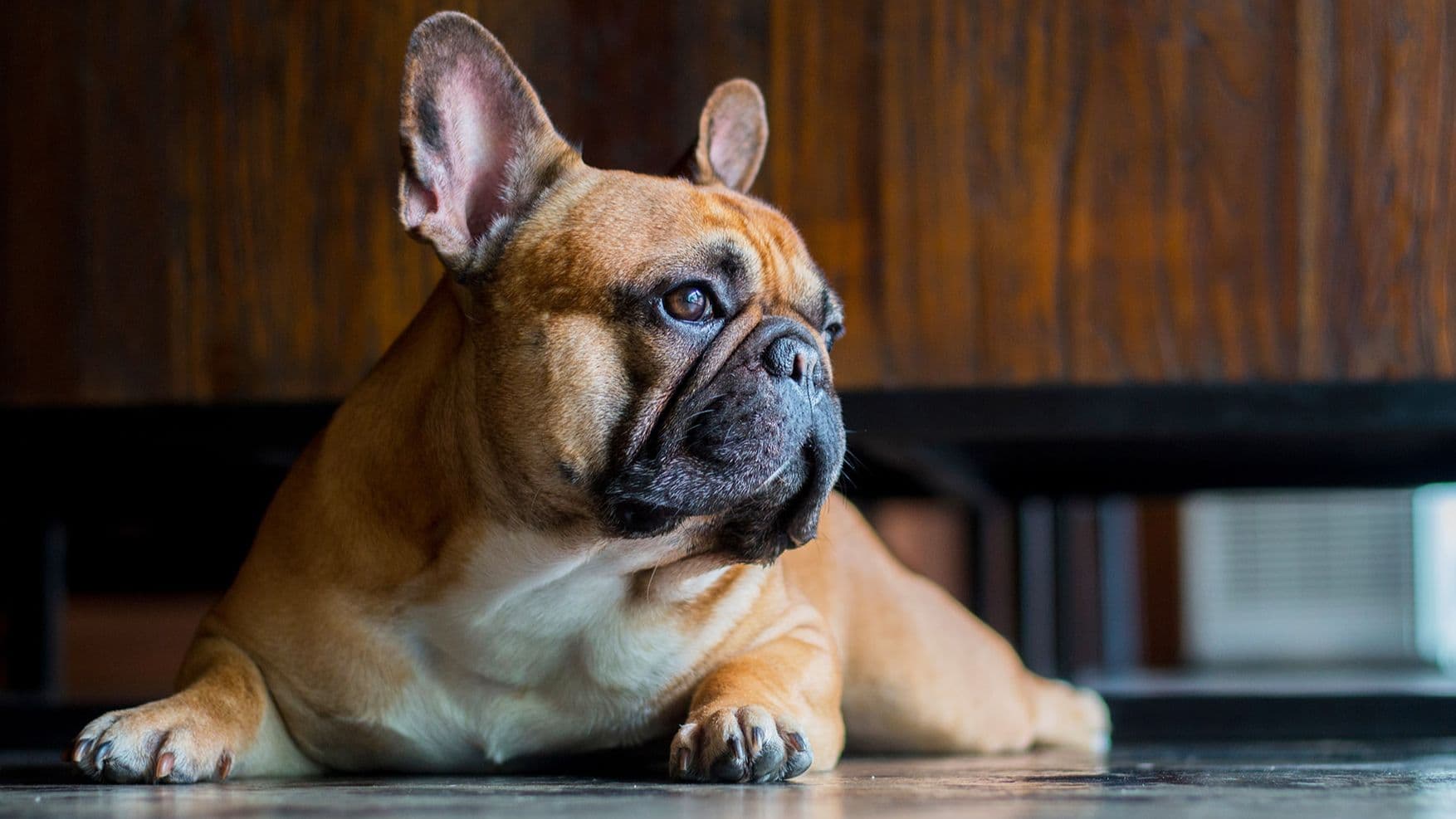
Careful management during hot weather is important for dogs with BOAS, as heat can quickly worsen breathing difficulties.
Measures that may help reduce the risk include:
Restricting exercise on warm days and walking dogs early in the morning or later in the evening to avoid the hottest part of the day
Avoiding excessive excitement or stress that may worsen breathing difficulties, particularly in warm or humid weather
Making sure your dog always has access to a cool shaded area, both indoors and outside
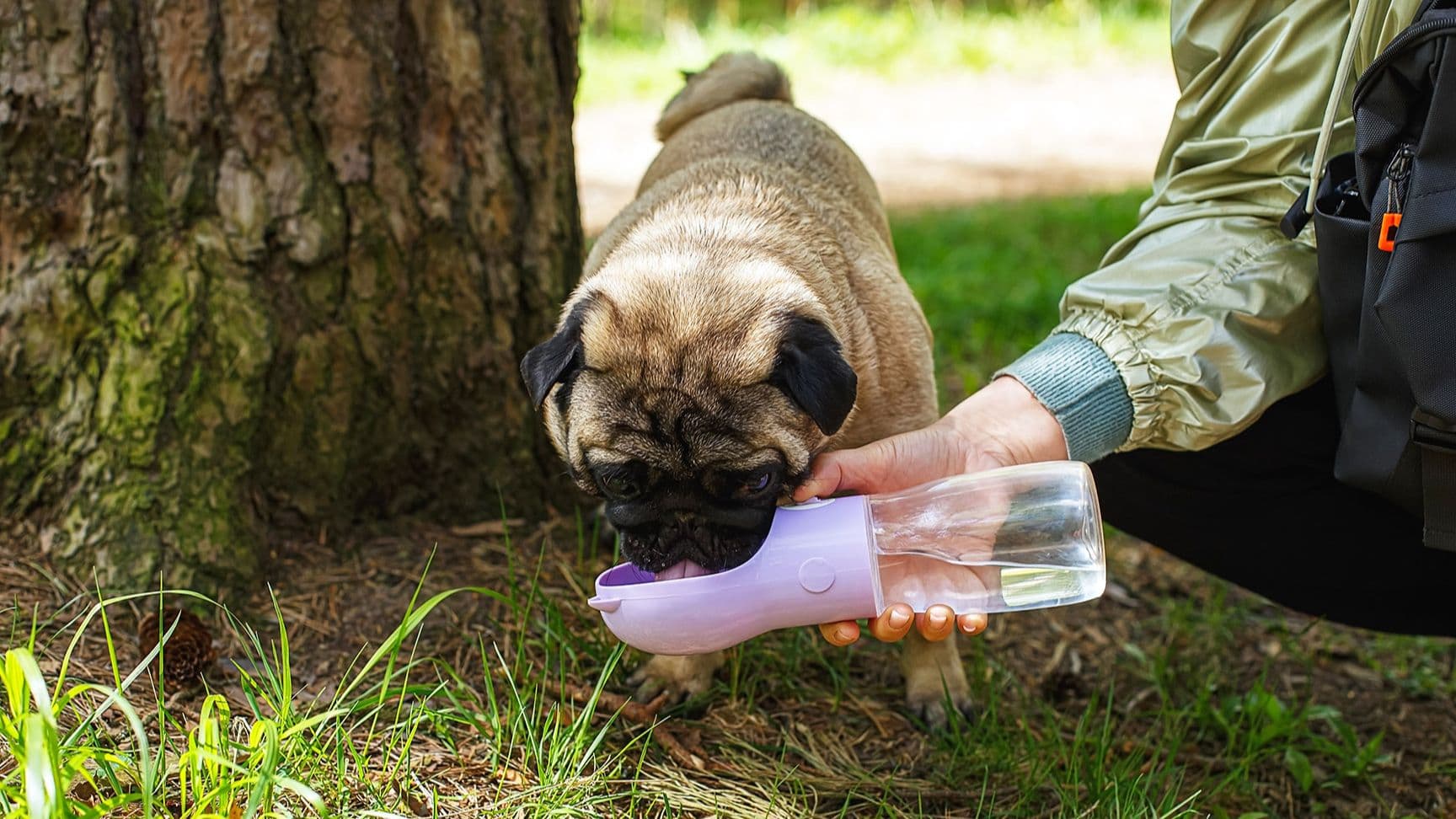
Ensuring fresh, cool drinking water is always available
Never leaving dogs in a hot car, conservatory or poorly ventilated room
Maintaining a healthy body weight to reduce strain on breathing
Using a harness instead of a collar to avoid pressure on the neck and airway
Discussing with your vet whether BOAS surgery may help improve your dog’s breathing and ability to cope in warm weather
Even mild weather can be difficult for some dogs with BOAS, so owners should monitor their dog closely during warm conditions.
Outlook for dogs with BOAS in summer
Dogs with BOAS can vary in how severely they are affected by warm weather. Some dogs with mild signs may cope well with careful management, while others may be at significant risk of breathing difficulties or heatstroke even during moderately warm conditions.
Early recognition of breathing problems and careful management during hot weather can help reduce the risk of serious complications. In some dogs, surgical treatment of BOAS may significantly improve breathing and quality of life.