
Skin Conditions in Dogs and Cats - Symptoms, Causes & Treatment
If your dog or cat has itchy skin, is scratching more than normal, losing fur or developing sore or irritated skin, it could be a sign of an underlying skin condition.
Skin problems are one of the most common reasons pets visit the vet. While some conditions are mild, others can become painful or worsen without treatment.
Our veterinary teams can examine your pet, identify the likely cause of their symptoms and recommend the most appropriate treatment to help keep them comfortable.
Published July 2026 | Review date July 2029 | This advice is for UK pets only and is not a replacement for seeing a vet

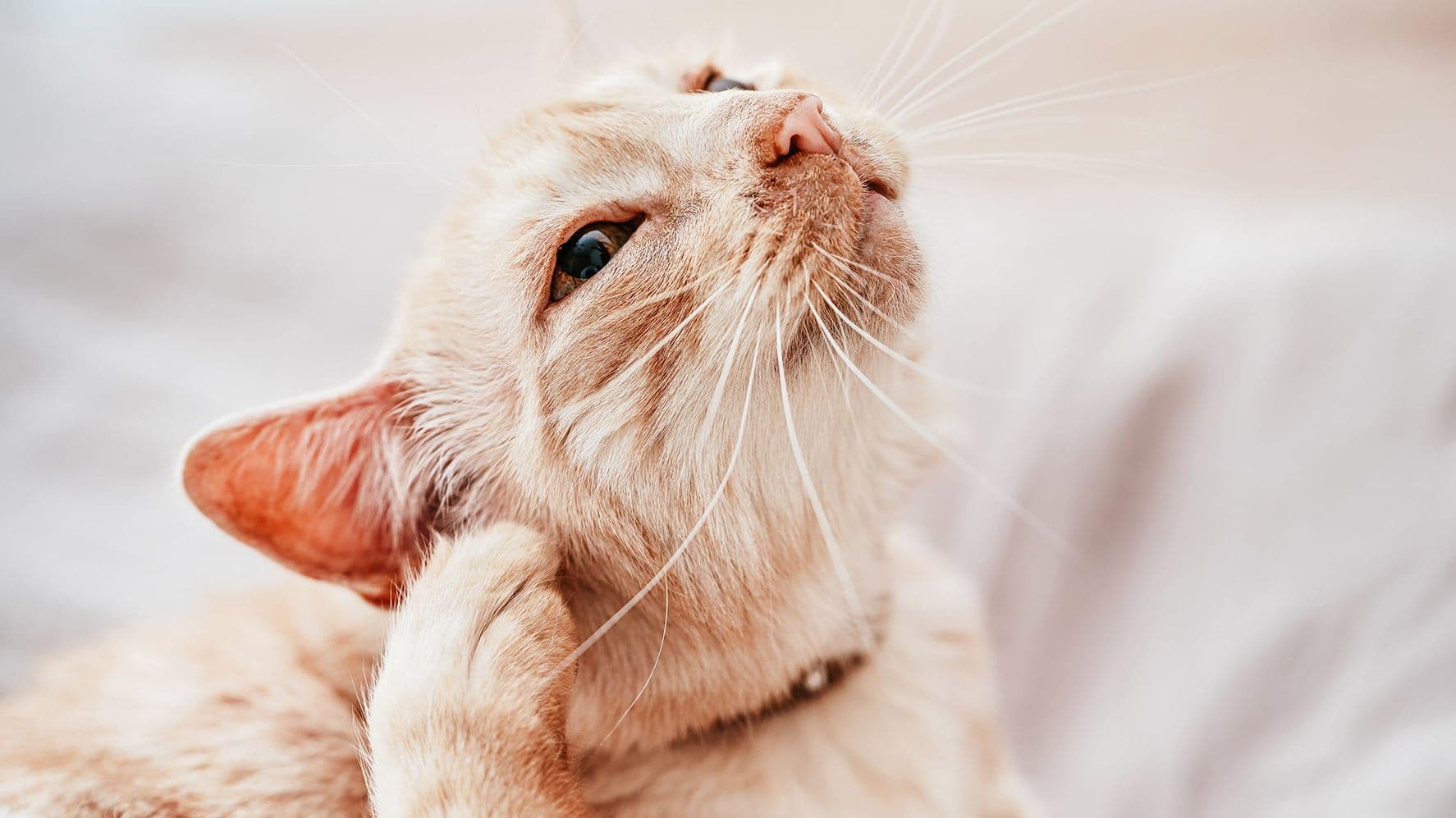
Common Signs Your Pet May Have a Skin Condition
Our vets diagnose and treat a wide range of skin conditions in both dogs and cats, including:
Excessive itching or licking
Hair loss or bald patches
Red, inflamed or sore skin
Scabs, crusts or flaky skin
Fleas and mites
Allergies
Ear irritation linked to skin disease
Bacterial and yeast skin infections
Hot spots (dogs)
Overgrooming (cats)
When Should You See a Vet?
Arrange a veterinary appointment if your pet has:
Persistent scratching or licking
Red, inflamed or painful skin
Hair loss
Scabs or sores
Recurrent ear problems
A bad smell coming from the skin
Changes in their coat
Excessive grooming, particularly in cats
Many skin conditions look similar, making it difficult to identify the cause at home. A veterinary examination can help determine what is causing your pet's symptoms and the most appropriate way to manage them.
Common Causes of Skin Conditions
There are many reasons why a dog or cat may develop a skin condition. Identifying the underlying cause is essential to choosing the most appropriate treatment.
Allergies are a common cause of itchy skin in both dogs and cats.
Common triggers include:
Grass and pollen
House dust mites
Mould spores
Flea bites
Certain foods
Pets with allergies may develop itchy skin, recurrent ear infections, redness, inflammation or excessive licking of their paws.
Further reading: Food Allergies in Dogs
Fleas remain one of the most common causes of skin disease in pets. Some dogs and cats develop an allergic reaction to flea saliva, meaning even a small number of flea bites can cause intense itching and inflammation. Other parasites, such as mites, can also cause irritation, hair loss and skin damage.
Regular parasite prevention, based on your pet's lifestyle and your veterinary team's advice, can help reduce the risk of flea-related skin disease.
Further reading: Fleas on Cats, Fleas on Dogs
Damaged or inflamed skin can become infected with bacteria or yeast.
Signs may include:
Redness
Greasy skin
Unpleasant odour
Thickened skin
Pustules or spots
Persistent itching
Treatment often involves prescription medication alongside treating the underlying cause.
Further reading: Yeast Skin Infections in Dogs
Ringworm is a contagious fungal infection that can affect both dogs and cats and can also spread to people.
Common signs include:
Circular areas of hair loss
Scaly or crusty skin
Broken hairs
Skin lesions, often around the face, ears or paws
If ringworm is suspected, your vet may recommend tests to confirm the diagnosis before starting treatment.
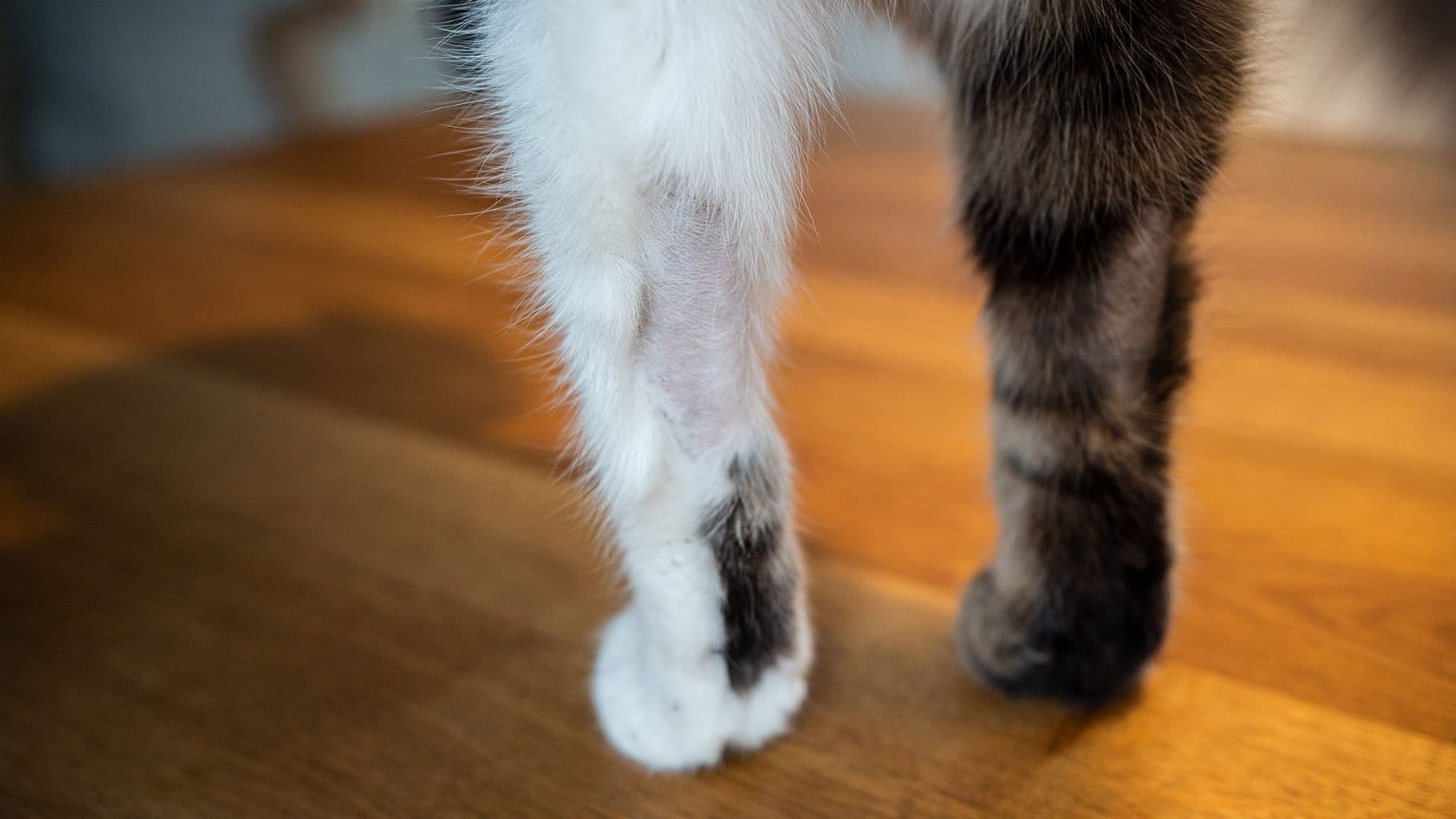
Some cats may overgroom in response to itch, stress, or other underlying factors, which may result in patchy hair loss or skin irritation. Affected areas often include the belly, inner thighs, or flanks, where the coat may appear thinned or clipped short. Treatment depends on identifying and managing the underlying cause, which may involve addressing skin disease, behavioural factors, or both.
'My cat or my dog has a skin problem' - Frequently asked questions

Dogs can become itchy for many reasons, including allergies, fleas, mites, skin infections or other underlying health conditions. A veterinary examination can help determine the cause.
Cats naturally groom themselves, but excessive grooming can sometimes indicate itchy skin, parasites, allergies, pain or stress. If you notice hair loss or your cat is grooming more than usual, it's worth arranging a veterinary appointment.
Not always. Some skin conditions can be diagnosed during a clinical examination, while others may require additional tests such as skin samples, parasite checks or allergy investigations.
Some skin conditions cannot be prevented, but regular parasite control, routine grooming and checking your pet's skin for changes can help identify problems early.