Guide to Plants That Are Toxic to Dogs & When to Seek Emergency Vet Care
Many common houseplants and garden plants are toxic to dogs. While some cause only mild stomach upset, others can affect the heart, nervous system or kidneys and may be life-threatening.
If you think your dog has eaten a poisonous plant, don't wait for symptoms to develop. Contact your vet as soon as possible for advice, as early treatment can make a significant difference to your dog's recovery.
Common Plants That Are Toxic to Dogs
Many houseplants and garden plants can be toxic to dogs. The list below includes some of the more commonly encountered poisonous plants in the UK, but it is not exhaustive. If you think your dog has eaten any potentially poisonous plant, contact your vet for advice, even if it is not listed below.
Common examples include:
Yew (Taxus baccata)
Oleander (Nerium oleander)
Foxglove (Digitalis spp.)
Lily-of-the-valley (Convallaria majalis)
Azaleas and rhododendrons (Rhododendron spp.)
Autumn crocus (Colchicum autumnale)
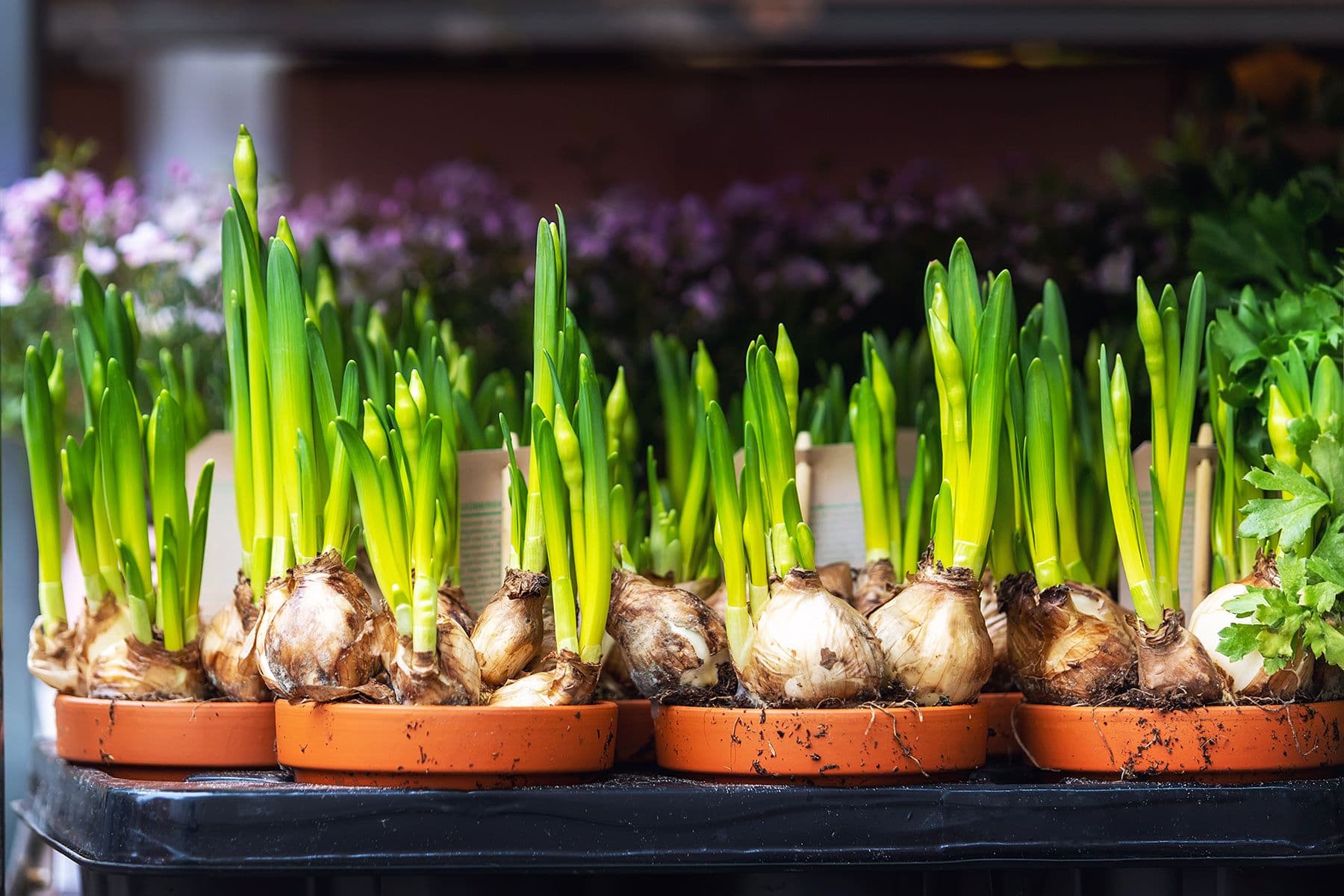
Daffodils (Narcissus spp.)
Tulips (Tulipa spp.)
Cyclamen
Laburnum (Laburnum anagyroides)
For a more comprehensive list of poisonous plants found in UK homes and gardens, see the Horticultural Trades Association (HTA) Poisonous Plants Guide.

Signs of Poisoning in Your Dog and What to Do
The signs of plant poisoning vary depending on the type of plant and how much your dog has eaten. Some dogs develop signs within minutes, while others may not become unwell for several hours.
Common signs include:
Excessive drooling
Tremors or seizures
If you know or suspect your dog has eaten a poisonous plant, contact your vet immediately, even if they are not yet showing any signs of illness. Early treatment can significantly improve the outcome.
What to do if you suspect poisoning
If you think your dog has eaten a poisonous plant:
Remove any remaining plant material from your dog's mouth if it is safe to do so.
Prevent your dog from eating any more of the plant.
Contact your vet immediately for advice.
If possible, take a sample or photograph of the plant to help with identification.
Follow your vet's advice.

Plants – Poisoning Prevention Tips
You can reduce the risk of plant poisoning by:
Choosing pet-safe plants for your home and garden where possible.
Identifying and removing poisonous plants or restricting your dog's access to them.
Supervising puppies and inquisitive dogs when they are outdoors.
Keeping bulbs, cut flowers and garden waste out of your dog's reach.
Learning which common plants are poisonous to dogs.
Written by Gillian Burkhill, Veterinary Surgeon, Animal Trust Vets CIC | Published August 2026 | Review date August 2029 | This advice is for UK pets only and is not a replacement for seeing a vet