
Understanding Why Cat Skin Conditions Are So Common
Skin conditions are a common reason why cats are brought to the vet. They can range from mild irritation to more serious diseases and may be linked to allergies, parasites, infection or underlying health problems. Cats often show skin problems in ways that can be easy to miss, such as overgrooming, hair loss or small scabs. Left untreated, even minor skin problems can worsen and lead to discomfort, secondary infections, or ongoing skin disease.
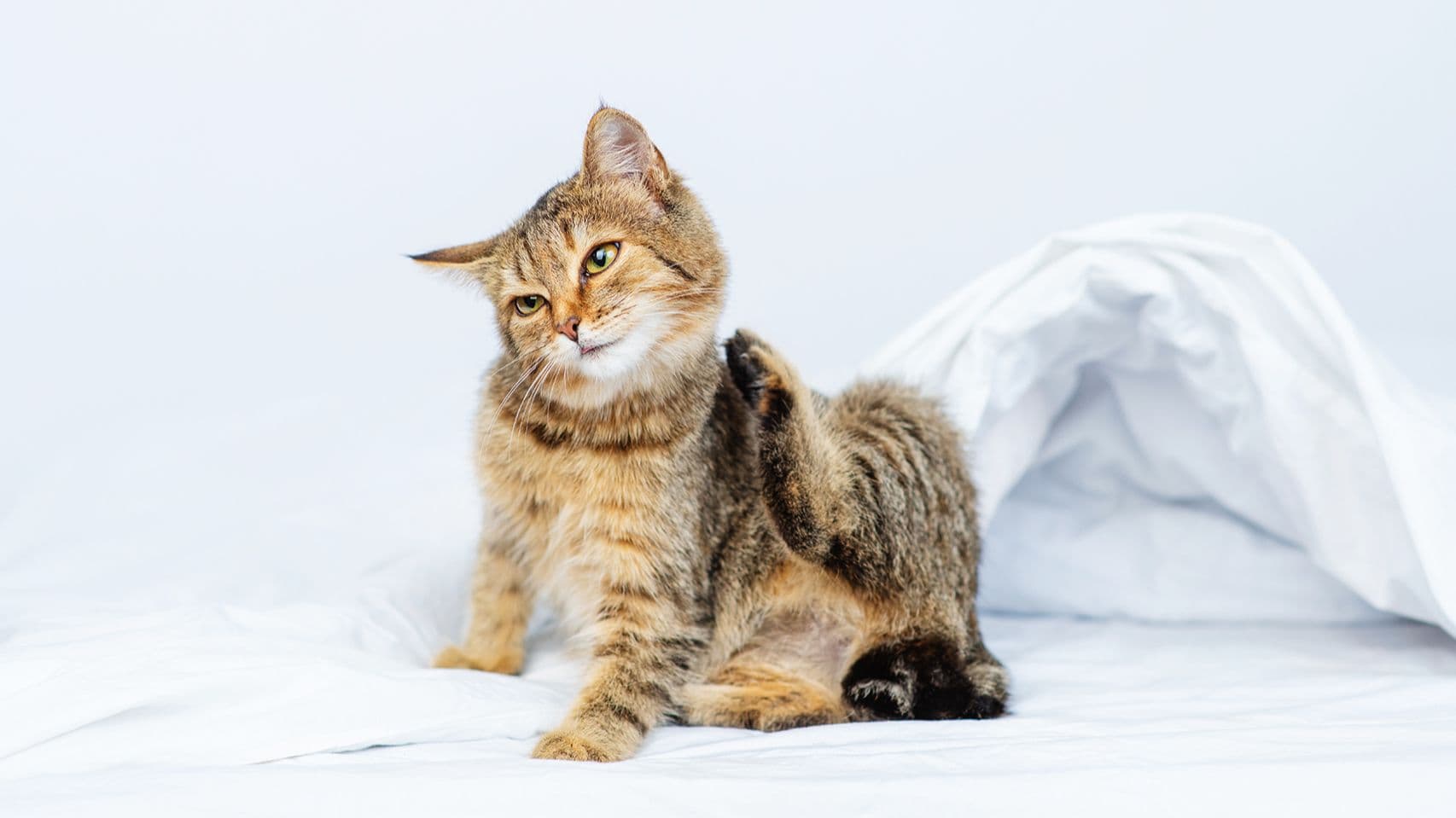
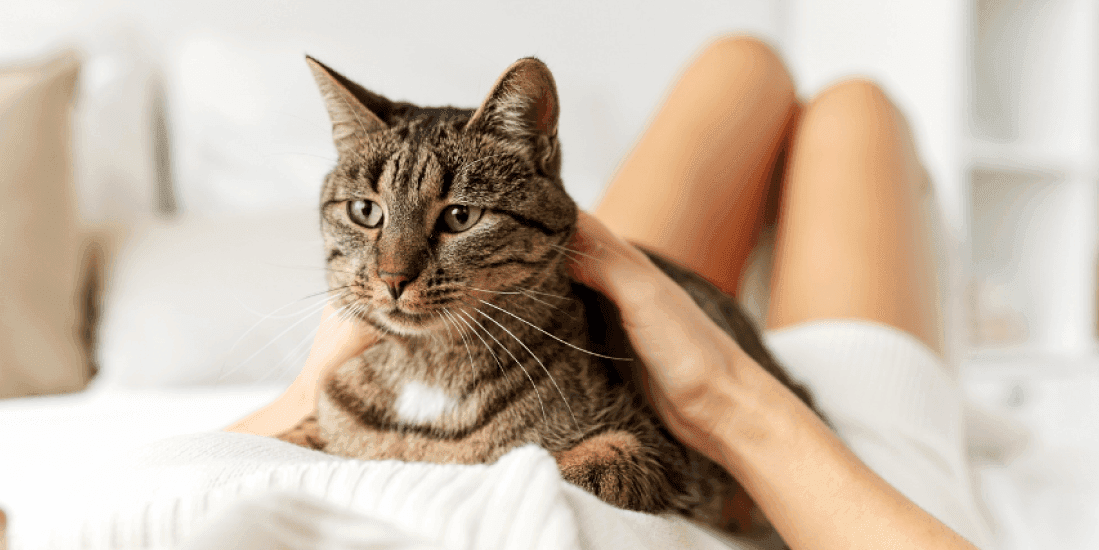
Common Signs of Skin Disease in Cats
Skin disease in cats can present in different ways, and signs may affect the skin, coat or grooming behaviour.
Common signs include:
Excessive grooming, scratching or licking
Patchy hair loss or bald areas
Scabs or small crusty bumps, particularly around the head and neck
Greasy, flaky or scurfy skin
Ear irritation or head shaking
When to see a vet
If you notice persistent itching, overgrooming, hair loss, scabs or changes to your cat’s skin or coat, it is best to have them checked by a vet. Early assessment can help identify underlying causes such as allergies, parasites, infection, or other health problems before they become more serious.
Before your appointment, it can be helpful to note:
When you first noticed the problem
Whether your cat is grooming or scratching more than usual
Any changes in diet, routine, or environment
Whether there are other pets in the household with similar signs
5 Common Skin Conditions in Cats
Fleas are one of the most common causes of skin disease in cats, and some cats develop an allergic reaction to flea bites. Affected cats may show intense itching, overgrooming, scabs - especially over the lower back, tail base, head or neck - and patchy hair loss. Regular parasite control is important. Fleas can live in the home environment as well as on your cat.
Further reading: Miliary Dermatitis in Cats
Allergic skin disease in cats can be triggered by environmental allergens or, in some cases, food allergies. Affected cats may show itching, overgrooming, scabs or hair loss, often affecting the head, neck, belly or inner thighs. Some cats may also develop allergy-related skin lesions, such as ulcers on the lips. Management may involve investigating underlying triggers and using medication to control itching and reduce flare-ups.
Mites and other parasites can also cause skin disease in cats, leading to itching, hair loss, dandruff and skin irritation. Some parasites, such as ear mites, may cause head shaking or ear irritation, while others can affect the skin more widely. Treatment usually involves prescription medication to eliminate the infestation and relieve discomfort.
Further reading: Ear Mites in Cats, Skin Mites in Cats
Ringworm is a contagious fungal infection that can spread to other animals and humans. It can cause patchy hair loss, scaling, or broken hairs, often affecting the face, ears, or paws. Prompt veterinary treatment is important to clear the infection and reduce the risk of spread.
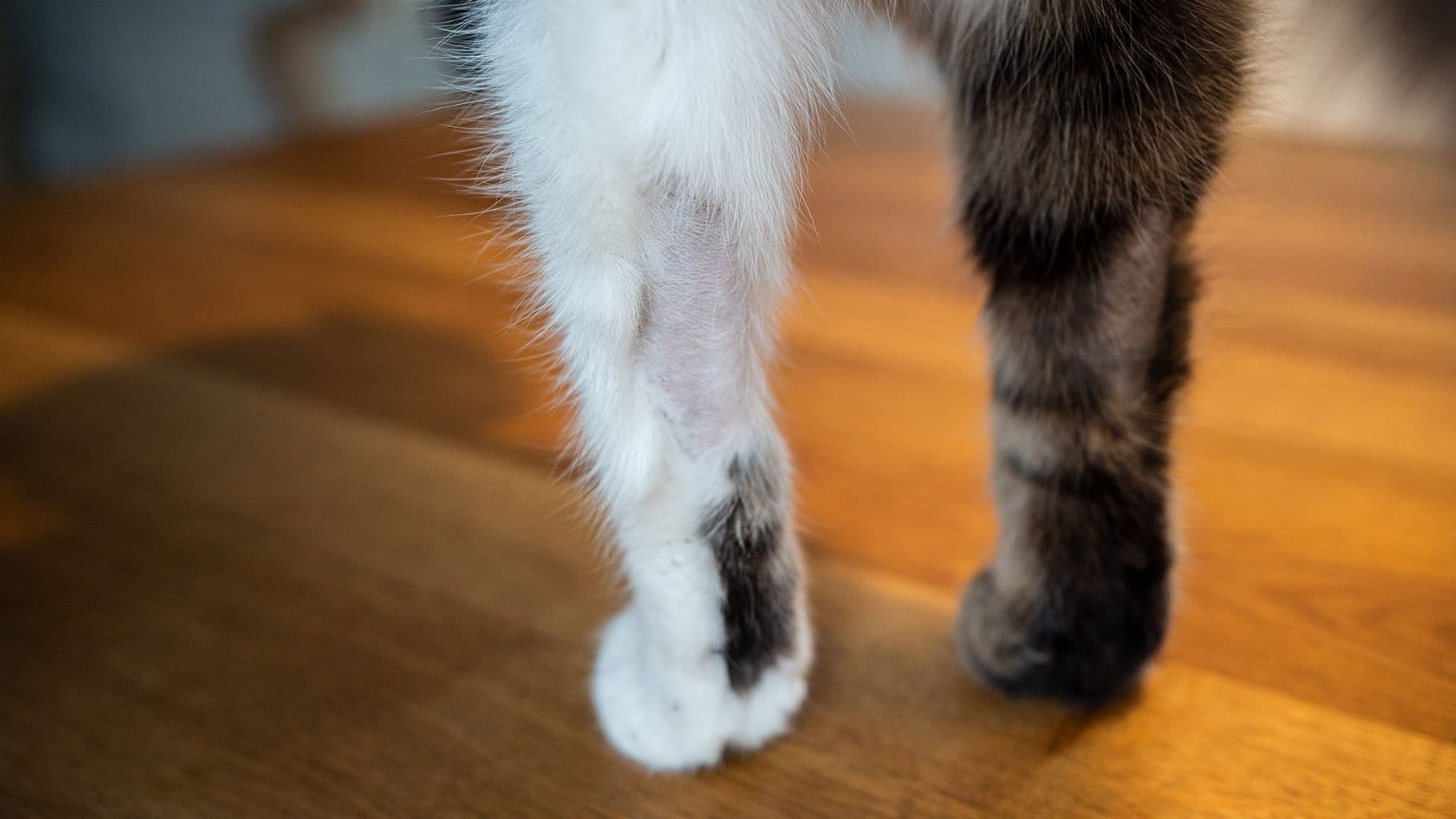
Some cats may overgroom in response to itch, stress, or other underlying factors, which may result in patchy hair loss or skin irritation. Affected areas often include the belly, inner thighs, or flanks, where the coat may appear thinned or clipped short. Treatment depends on identifying and managing the underlying cause, which may involve addressing skin disease, behavioural factors, or both.
Written by Gillian Burkhill, Veterinary Surgeon, Animal Trust Vets CIC | Published May 2026 | Review date May 2029 | This advice is for UK pets only and is not a replacement for seeing a vet